

5 minute read · Dec 26, 2025
What Does a Mini Split System Look Like Installed in a Home?
Ductless mini splits are a great way to heat and cool your home, but you may be wondering, what will it look like once it’s installed?
Read MoreCompare heat pumps and gas furnaces on upfront cost, running cost, comfort and rebates for Philadelphia and New Jersey homes - with a clear verdict.
Neither is better in the abstract. A heat pump suits a home with no gas service, a home that also needs air conditioning replaced, or a home where the fuel being left behind is electric resistance or oil. A gas furnace suits a home with existing gas service, working ductwork sized for warm air, and a homeowner who wants the lowest installed cost and the hottest supply air.
The table below puts the two side by side on the five things that actually decide it, and every figure in it is sourced. Below that, the same comparison applied to what running each one costs at current Pennsylvania and New Jersey energy prices, where the answer flips depending on which side of the river you live on.
| Heat pump | Gas furnace | |
|---|---|---|
| Installed cost | Average $6,087; most homeowners $4,237 to $7,943 (Angi 2026 data) | $3,800 to $10,000 for an average-sized home (Angi 2026 data) |
| What you also get | Cooling included; no separate AC needed | Heating only; an air conditioner is a separate purchase |
| Efficiency | Delivers up to 3x more heat energy than the electricity it consumes (ENERGY STAR) | Capped by the fuel: a 95% AFUE furnace delivers at most 95% of the energy in the gas it burns |
| Service life | ENERGY STAR advises evaluating replacement past 10 years (ENERGY STAR) | ENERGY STAR advises evaluating replacement past 15 years (ENERGY STAR) |
| Supply air temperature | Milder, typically in the 90s°F; steady, longer run cycles and more consistent room temperatures | Hotter, typically 120°F and up; shorter, more noticeable cycles |
| Best fit | No gas service, no ductwork (ductless), AC also due for replacement, leaving electric or oil heat | Gas already on site, ductwork in good shape, lowest upfront cost is the priority, very cold design temperatures |
A heat pump moves heat rather than making it. Refrigerant circulating between an outdoor coil and an indoor coil absorbs heat from the outside air, a compressor raises that heat to a useful temperature, and the indoor coil releases it into the house. A reversing valve flips the direction of flow in summer, so the same equipment cools. Because it relocates energy rather than producing it, output can exceed input several times over. Below a certain outdoor temperature, auxiliary heat covers the shortfall.
A furnace burns natural gas in a sealed heat exchanger. A blower pushes house air across the outside of that exchanger, the air picks up heat, and the combustion gases go out the flue. Efficiency is expressed as AFUE, the percentage of the fuel's energy that ends up as heat in the house. A modern condensing furnace runs 95 to 98 percent AFUE, and it hits that number regardless of how cold it is outside, which is the furnace's structural advantage.
These are two different questions and mixing them is where most of the confusion comes from.
Furnaces are cheaper to install. A heat pump replaces two systems at once, so the fair comparison is not "heat pump versus furnace" but "heat pump versus furnace plus air conditioner." Angi's 2026 data puts a full HVAC replacement at $5,000 to $22,000 with an average of $7,500, and a central air conditioner alone at $3,900 to $7,900. Once you add an AC to the furnace side, the gap narrows considerably.
One 2026 change matters here: the federal 25C tax credit that paid up to $2,000 toward a qualifying heat pump ended for equipment placed in service after December 31, 2025. Any cost comparison written before 2026 that leans on that credit is now wrong.
Operating cost depends entirely on local fuel prices, and in our region they point in different directions. Using the June 2026 state averages from the U.S. Energy Information Administration for residential electricity and residential natural gas, and assuming a heat pump running at a coefficient of performance of 3 and a 95% AFUE furnace:
| Cost per million BTU of delivered heat | Heat pump | Gas furnace |
|---|---|---|
| Pennsylvania (electricity 21.73¢/kWh, gas $26.08/Mcf) | about $21 | about $26 |
| New Jersey (electricity 24.95¢/kWh, gas $17.68/Mcf) | about $24 | about $18 |
Read that carefully, because it is the whole argument in two rows. At June 2026 prices a heat pump is the cheaper heat in Pennsylvania and a gas furnace is the cheaper heat in New Jersey. Two caveats apply honestly: these are June figures, and both fuels are priced differently in the depth of winter; and a heat pump's coefficient of performance falls as it gets colder, so its real seasonal average will be below 3 on the coldest weeks. The point is not the exact number, it is that "heat pumps are always cheaper to run" is not true here, and neither is the reverse.
Beyond the equipment itself, three practical things separate the two options over the long term. Electrical requirements: a heat pump may need panel capacity a gas furnace does not, and that work belongs in the comparison. Rebates: utility programs in Pennsylvania and New Jersey regularly offer incentives for qualifying heat pumps, while gas equipment rebates are usually smaller, so the net upfront difference is often narrower than the sticker suggests. Maintenance: a heat pump is serviced twice a year because it works in both seasons, while a furnace is serviced once.
The carbon side matters to some homeowners and not to others, but it is worth stating plainly rather than leaving vague: a heat pump burns nothing on site, so emissions depend on the grid, while a furnace is burning gas in the house. Whichever direction you lean, ask a contractor to price both for your address instead of comparing national averages - the right answer here depends on your fuel prices, your ductwork and your panel, and those are specific to the house.
A furnace is the lower-cost, lower-risk choice, especially in New Jersey where gas is currently the cheaper fuel. Homes on propane rather than natural gas should run the same comparison with their own delivered price, which is usually higher. If the air conditioner is also near the end of its life, price a dual-fuel system before deciding, because you can add a heat pump to the same ductwork and let controls pick the cheaper fuel each day.
A ductless heat pump wins, and it is not close. Installing a duct system in a Philadelphia rowhome or an older twin costs more than the equipment does, and Angi puts new ductwork at $2,000 to $7,500 on its own.
A heat pump is almost always the better outcome. Against electric baseboard or strips, the Department of Energy estimates a modern heat pump cuts electricity used for heating by about 65 percent. Against oil, you also drop the tank, the deliveries and the annual combustion service.
Fix the envelope first, whichever system you choose. A heat pump delivers milder air over longer cycles, so a leaky house exposes it faster than a furnace does. Attic insulation and duct sealing usually deliver more comfort per dollar than the difference between the two systems, and they cut the running cost of whichever one you choose.
A furnace, replaced like for like, is the cheapest way to have heat this winter. That is a legitimate answer, and any contractor who refuses to give it to you is selling rather than advising.
Local housing stock and utility rates decide this more often than the technology does. Different regions of the country reach opposite conclusions for exactly that reason, and Pennsylvania and New Jersey are close enough to be a good example of it. Philadelphia rowhomes and twins frequently have radiators and no duct system, which points to ductless heat pumps. Post-war Cape Cods and split-levels across South and Central Jersey usually have ducts, but those ducts often run through unconditioned attics, which erodes the performance of anything connected to them.
Winter design temperatures here sit in the low teens, comfortably within what ENERGY STAR cold-climate models are designed and third-party tested to handle down to 5°F. Colder climates and harsher winters shift the answer; ours do not. So the climate is not the obstacle. Fuel price is what separates the two, and as the table above shows, that currently lands differently in Pennsylvania than it does in New Jersey.
Synergy3 Home Solutions has been installing both types across this region since 2006. Our NATE-certified technicians size from a room-by-room load calculation and quote both options where both are viable, so you see the actual numbers for your house rather than a general argument. See Heat Pump Installation for how we scope heat pump work.
The only honest way to settle this is to price both for your specific house. Get in touch with Synergy3 Home Solutions. We are family-run out of Philadelphia, with 20 years in the trade, a 4.9-star rating, and 500+ Google reviews. Our hours are Monday to Friday 7:00 am to 7:00 pm and Saturday 7:00 am to 3:00 pm during peak season, with same-day service available on most calls.
A home that size typically needs around 3 tons of capacity, and Angi's 2026 data puts a 3-ton heat pump at $3,900 to $6,200 including labor, with most homeowners overall landing between $4,237 and $7,943. The full spread runs wider, $1,454 to $12,000, because it includes geothermal and multi-zone ductless systems. Square footage alone does not determine size; a load calculation accounts for insulation, windows, orientation and air leakage.
It is better at some things and worse at others. A heat pump gives you heating and cooling from one system and moves more energy than it consumes. A furnace costs less to install, delivers hotter air, and holds its efficiency regardless of outdoor temperature. Which is better for you comes down to whether you have gas, whether you have ducts, and what your local fuel prices are.
Usually because heat pumps are less forgiving of a rushed installation. They require accurate sizing, correct refrigerant charge and ductwork that can carry the airflow, and getting any of that wrong produces callbacks. Furnaces tolerate a sloppier install and still make the house warm. That is a comment on installation practice rather than on the technology.
Not necessarily. A correctly sized cold-climate heat pump can carry a home through a Philadelphia or New Jersey winter with electric auxiliary heat as backup. Many homes here keep the furnace anyway in a dual-fuel arrangement, because gas is often the cheaper fuel on the coldest days and the furnace is already installed and paid for.
Generally yes. One visit, one set of permits, one crew mobilization, and the indoor coil is matched to the condenser rather than mismatched to an older one. It also removes the risk of pairing new equipment with a coil that fails a year later. The trade-off is a larger single bill, which is where financing usually comes into the conversation.
Yes. Design temperatures here sit in the low teens, and ENERGY STAR cold-climate models are verified for heating capacity down to 5°F. The variables that matter are sizing against local design temperature and how much auxiliary heat the system ends up calling for, which is a design decision made before installation rather than something you discover in January.
Ductless mini splits are a great way to heat and cool your home, but you may be wondering, what will it look like once it’s installed?
Read More
Keep your heat pump running efficiently year-round with these essential maintenance tips every homeowner should know.
Read More
Explore the pros and cons of ductless and central HVAC systems to find the best fit for your home and lifestyle.
Read More
Discover practical steps to enhance the air quality in your home for a healthier and more comfortable living environment.
Read MoreGet your HVAC system ready for every season with this comprehensive checklist to ensure optimal performance year-round.
Read MoreLower your energy bills and reduce your carbon footprint with these practical HVAC energy-saving strategies.
Read MoreFind a reliable and professional HVAC contractor with these essential tips for homeowners.
Read MoreA plumber-approved way to clear a clogged sink, tub, or shower drain — and the warning signs that mean it’s time to put the plunger down.
Read MoreWater pooling around your indoor AC unit usually traces back to one of five causes. Here’s how to tell which one you have and what to do next.
Read MoreFrom a thermostat set to ON to a tripped safety switch, here are the six most common reasons a furnace blows cold air — and which fixes are safe to try.
Read MoreAn annual flush clears out the sediment that shortens a water heater’s life. Here’s the full process, from shutting off power to refilling the tank.
Read MoreA room-by-room fall checklist that gets Philadelphia and South Jersey heating systems ready before the first cold night — most of it in one weekend.
Read MoreThat constant refill sound is water running onto your bill. Five quick checks inside the tank fix most running toilets — no special tools needed.
Read MoreOne burst pipe can flood a basement in minutes. Here’s how Delaware Valley homeowners can prevent freezes — and thaw a frozen line without making it worse.
Read MoreIf your home feels sticky at 72°F, your AC may be cooling without dehumidifying. Here’s what drives indoor humidity in our region and how to fix it.
Read MoreA boiler rarely warns you before it fails for good. Here’s how to catch the signs early, what a new one costs, and what installation day looks like.
Read More
Moving into a new home in Princeton, West Windsor, or Plainsboro is exciting, but it also comes with a long list of systems to understand. One of the most important is your heating and cooling equipment.
Read MoreAir conditioner running but not cooling? Check the filter, thermostat, breaker, outdoor unit and refrigerant signs - and know when to call a technician.
Read MoreAC replacement cost explained: system size, SEER rating, ductwork and labor, plus what a rowhome retrofit adds. Rebates and financing options included.
Read More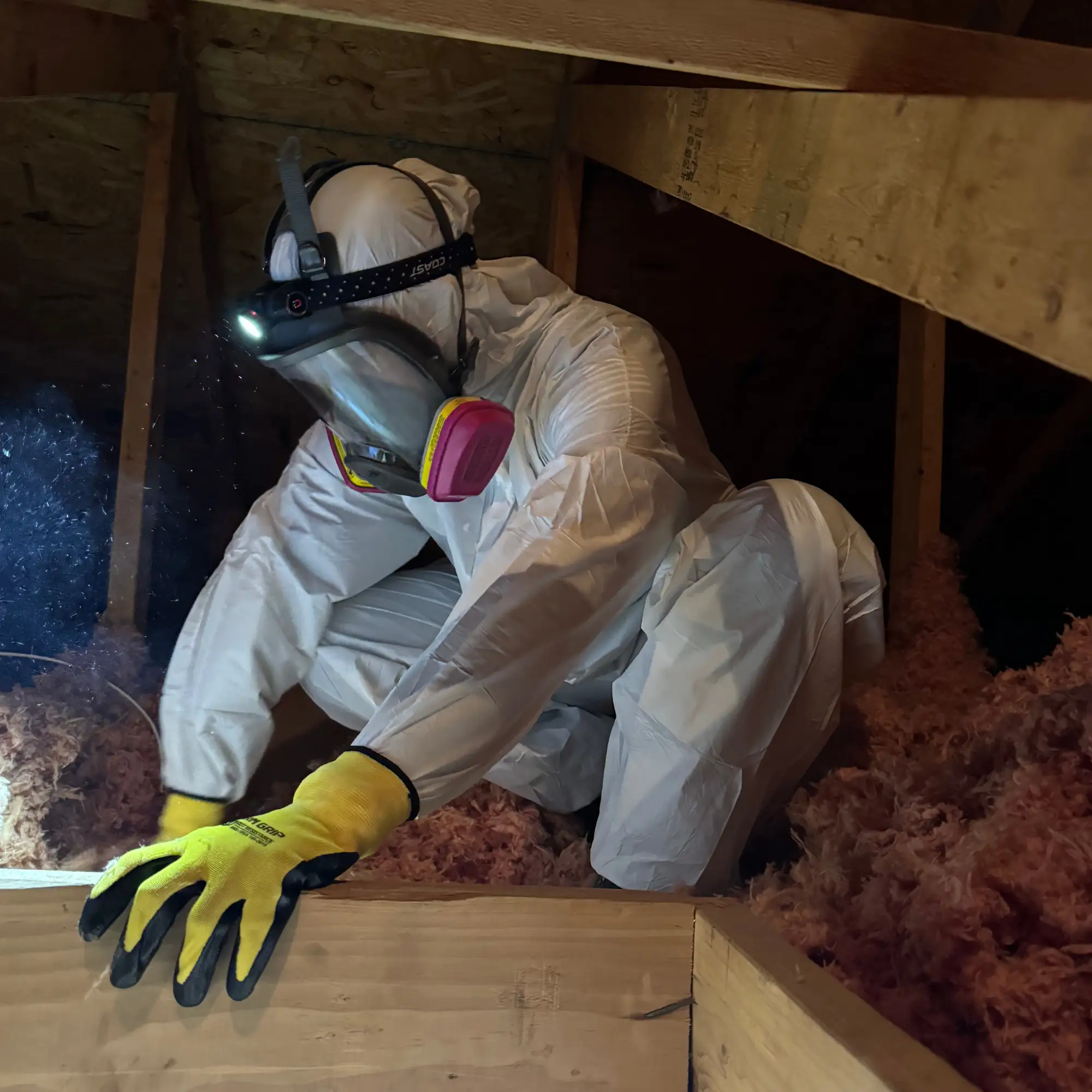
What attic insulation costs by material and R-value in PA and NJ, what air sealing adds, and the utility rebates that can cover part of the job.
Read MoreWhat furnace replacement costs in PA and NJ, what changes the price (size, efficiency, venting, ductwork), and which rebates and financing can offset it.
Read MoreHumming, jammed or completely dead? Reset, unjam and troubleshoot a garbage disposal safely - and learn when replacement beats another repair.
Read MoreWhat a heat pump costs to install in PA and NJ: price ranges by system type and size, what drives the quote, and the rebates and financing available.
Read MoreHow a heat pump moves heat instead of making it, what changes in winter, and why cold-climate models keep working in Philadelphia and New Jersey.
Read MoreThe safe way to clean and deodorize a garbage disposal, what never to put down it, and the habits that keep your kitchen drain from clogging.
Read MoreTankless water heater costs in PA and NJ - unit, venting and gas line upgrades - plus the payback math versus a standard tank water heater.
Read MoreWhat a new water heater costs in PA and NJ: tank vs tankless, gas vs electric, permits and code upgrades, and how to keep the install price down.
Read MoreA plain-English guide to heat pumps: how they heat and cool, what they cost to run, and whether one makes sense in the Philadelphia and NJ climate.
Read More