

8 minute read · Dec 26, 2025
What Does a Mini Split System Look Like Installed in a Home?
Ductless mini splits are a great way to heat and cool your home, but you may be wondering, what will it look like once it’s installed?
Read MoreGet your HVAC system ready for every season with this comprehensive checklist to ensure optimal performance year-round.

Almost every no-heat call we take in January and every no-cooling call in July has the same backstory: the system was asked to switch seasons cold, after months of sitting idle, with a filter that had not been changed since the last time anyone thought about it. Equipment rarely fails in mild weather. It fails on the first hard day, because that is the first day it is asked to run for hours at a time.
Seasonal maintenance is the fix, and it splits neatly into two lists: the short one you can do yourself in an afternoon, and the longer one that needs a technician with gauges, a combustion analyzer and a meter. This checklist covers both, season by season, and says plainly where the homeowner part ends.
Service the cooling side in spring, before the first stretch of 85-degree days, and the heating side in early fall, before the first hard frost. The reason is practical rather than technical: in a Philadelphia or South Jersey heat wave every contractor in the region is running no-cooling calls, and a tune-up booked in May gets a calm, unhurried visit that a tune-up booked in July does not. It also means a part found failing is replaced while you still have a choice about when.
If your home has a heat pump, it works year round and should be serviced twice a year - the equipment simply does not get an off season.
Before the hot months arrive, ensure your air conditioning is ready. Replace filters, clean outdoor units, and schedule a professional tune-up to avoid breakdowns during peak season. In practice that means the following, in order:
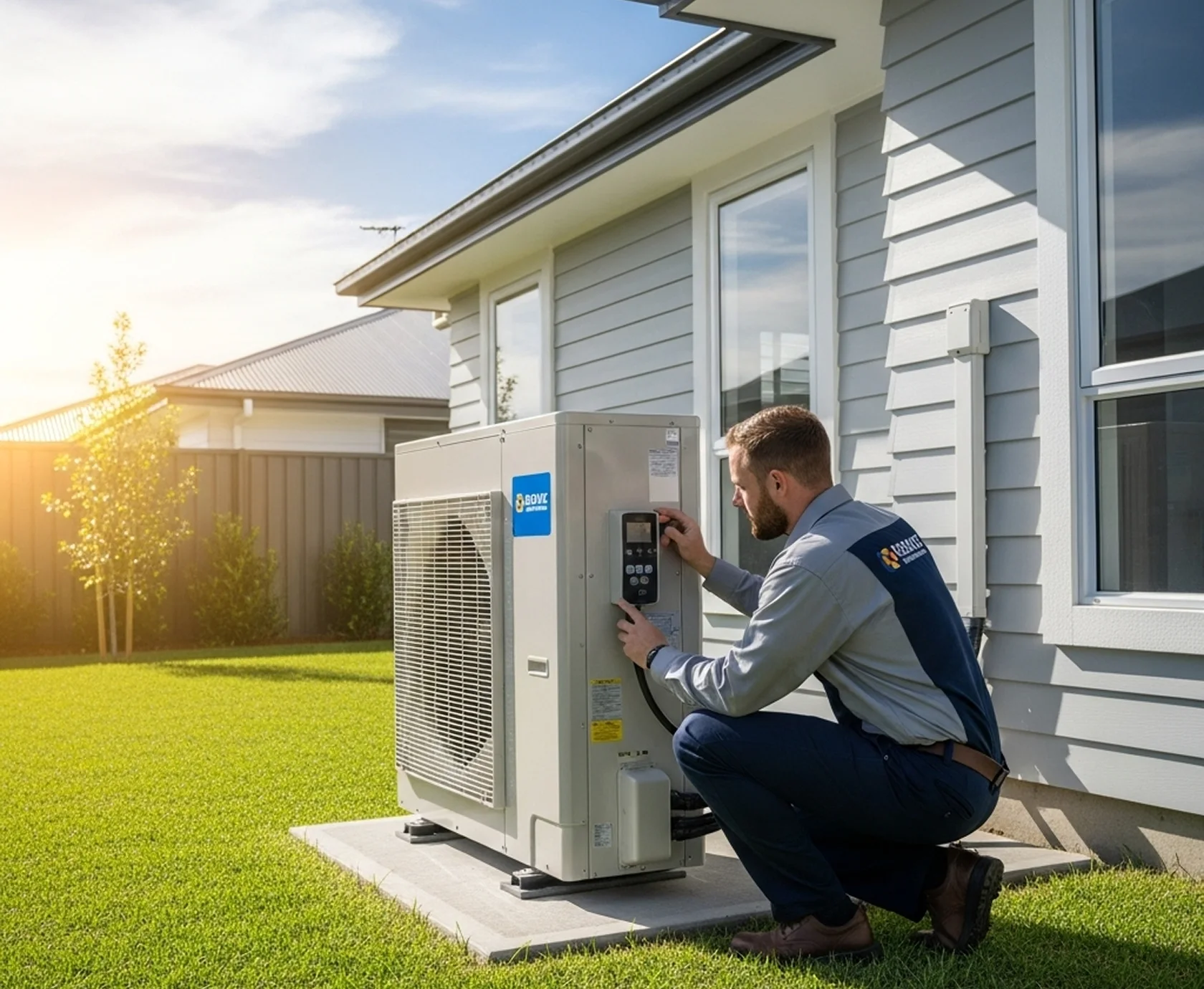
As temperatures drop, switch focus to your heating system. Check thermostats, inspect ductwork for leaks, and ensure your heat pump or furnace is operating efficiently. The homeowner list for the heating side is short:
The part that needs a technician is the part that cannot be judged by eye. On a cooling visit that means measuring refrigerant charge against superheat and subcooling targets, checking capacitor microfarads and compressor amp draw, testing the contactor, measuring temperature split across the coil and confirming airflow. On a heating visit it means a combustion analysis at the flue, a check of the heat exchanger for cracks, testing the flame sensor, pressure switch, inducer and gas pressure, and verifying that safety controls actually shut the appliance down when they should.
Those numbers are also the early warning system. A capacitor reading 10 percent under its rating still works today and will fail on the hottest afternoon of the year. Finding it in April is a $0 inconvenience during a scheduled tune-up rather than an emergency call in July.
A seasonal plan is two professional tune-ups and a short list of homeowner tasks in between. Spring servicing prepares the air conditioner for peak season; fall servicing prepares the furnace or heat pump for the cold. Between visits, the homeowner keeps filters current, keeps ducts and vents free of debris, and watches for the issues that show up as noises, smells or rooms that no longer stay warm.
The value is easy to state: inspections catch small faults before they become unexpected failures, regular cleaning keeps the system operating at the efficiency it was designed for, and consistent care extends equipment lifespan and improves day-to-day comfort. It also saves money in a way that compounds - lower running costs every month plus fewer emergency repairs over the life of the system, which is why annual servicing is treated as essential rather than optional by every manufacturer whose warranty depends on it.
Seasonal service is not only about avoiding the breakdown on the coldest night. A system in good shape runs smoothly at the capacity it was built for, which keeps energy bills where they should be and reduces the strain that turns minor wear into failed parts. Clean coils, correct airflow and tight electrical connections extend the life of the equipment, and a documented annual inspection is what keeps most manufacturer warranties valid.
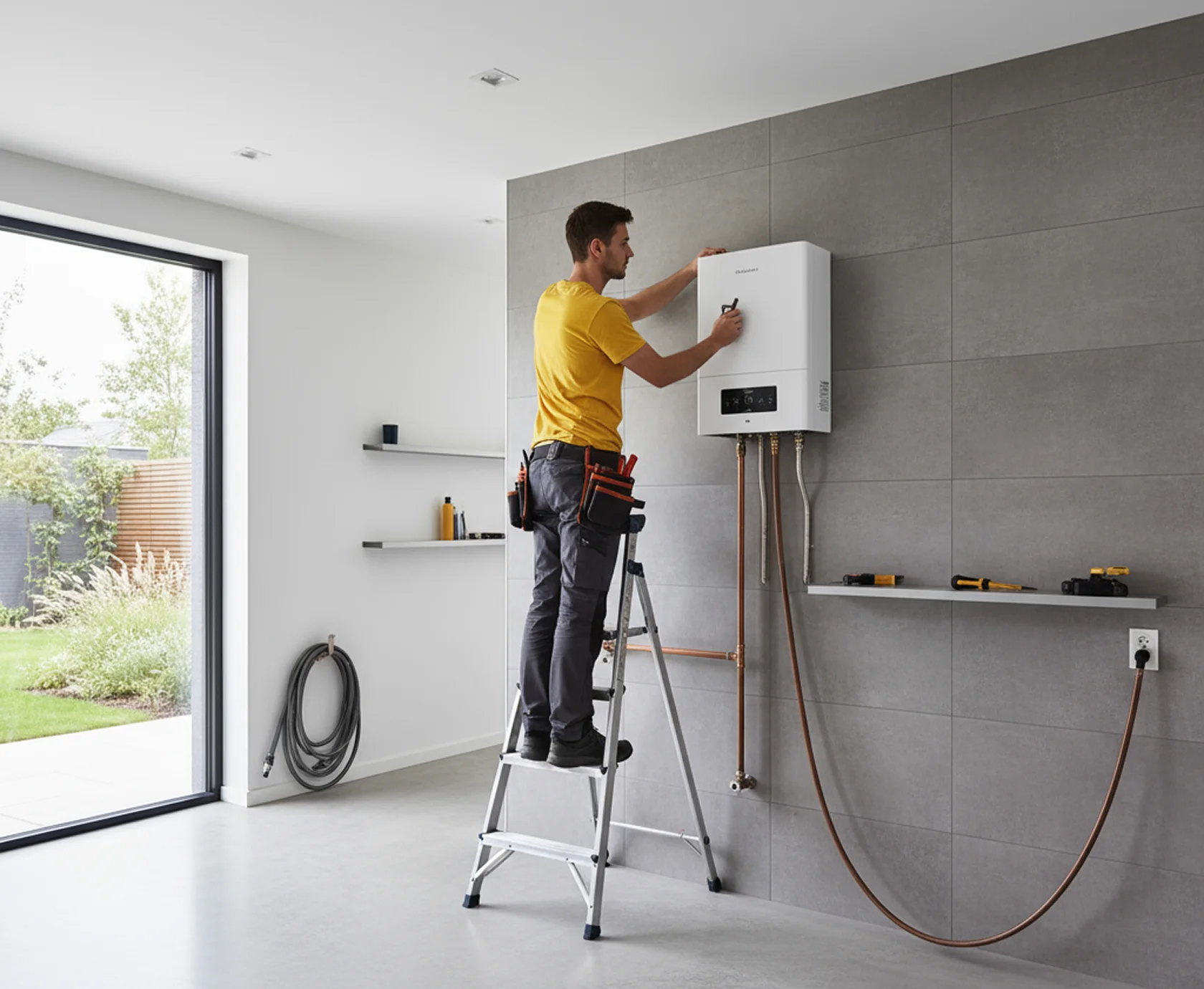
The economics are simple. Two visits a year cost far less than one emergency replacement of a compressor or an inducer motor, and the DIY tasks on this page cost nothing at all. The homeowners who get the fewest surprises are the ones who do the simple steps each season and let a technician spot the rest before it becomes a problem.
Filters, vents, coil rinsing, drain checks and thermostat batteries are homeowner work. Everything below is not, and the line is about safety and law rather than difficulty.
If a check turns up a symptom rather than a chore - short cycling, ice on the refrigerant line, water where it should not be, a burner that will not stay lit - that is a service call. An annual AC maintenance and tune-up covers the measurements and cleaning this checklist cannot.
The reason maintenance gets skipped is that nothing appears to be wrong, which is exactly when it should happen. Most manufacturer warranties also require documented annual service, so a missed year can quietly cost you coverage on a part that fails in year six. A plan removes the remembering: our Bee Protected Plan starts at $150 a year for HVAC, includes a 17-point checklist and priority scheduling, and carries no overtime or dispatch fees for members. We do not offer maintenance programs on oil systems, which is worth knowing before you call if your home still runs on oil.
Synergy3 Home Solutions has been family-run in Philadelphia since 2006, our service technicians are NATE-certified, and we work Monday through Friday from 7:00 am to 7:00 pm and Saturday from 7:00 am to 3:00 pm, with same-day dispatch for no-heat and no-cooling calls inside those hours.
Regular seasonal maintenance prevents costly repairs and keeps your home comfortable. Don't wait until something breaks, be proactive with your HVAC care.
Ductless mini splits are a great way to heat and cool your home, but you may be wondering, what will it look like once it’s installed?
Read More
Keep your heat pump running efficiently year-round with these essential maintenance tips every homeowner should know.
Read More
Explore the pros and cons of ductless and central HVAC systems to find the best fit for your home and lifestyle.
Read More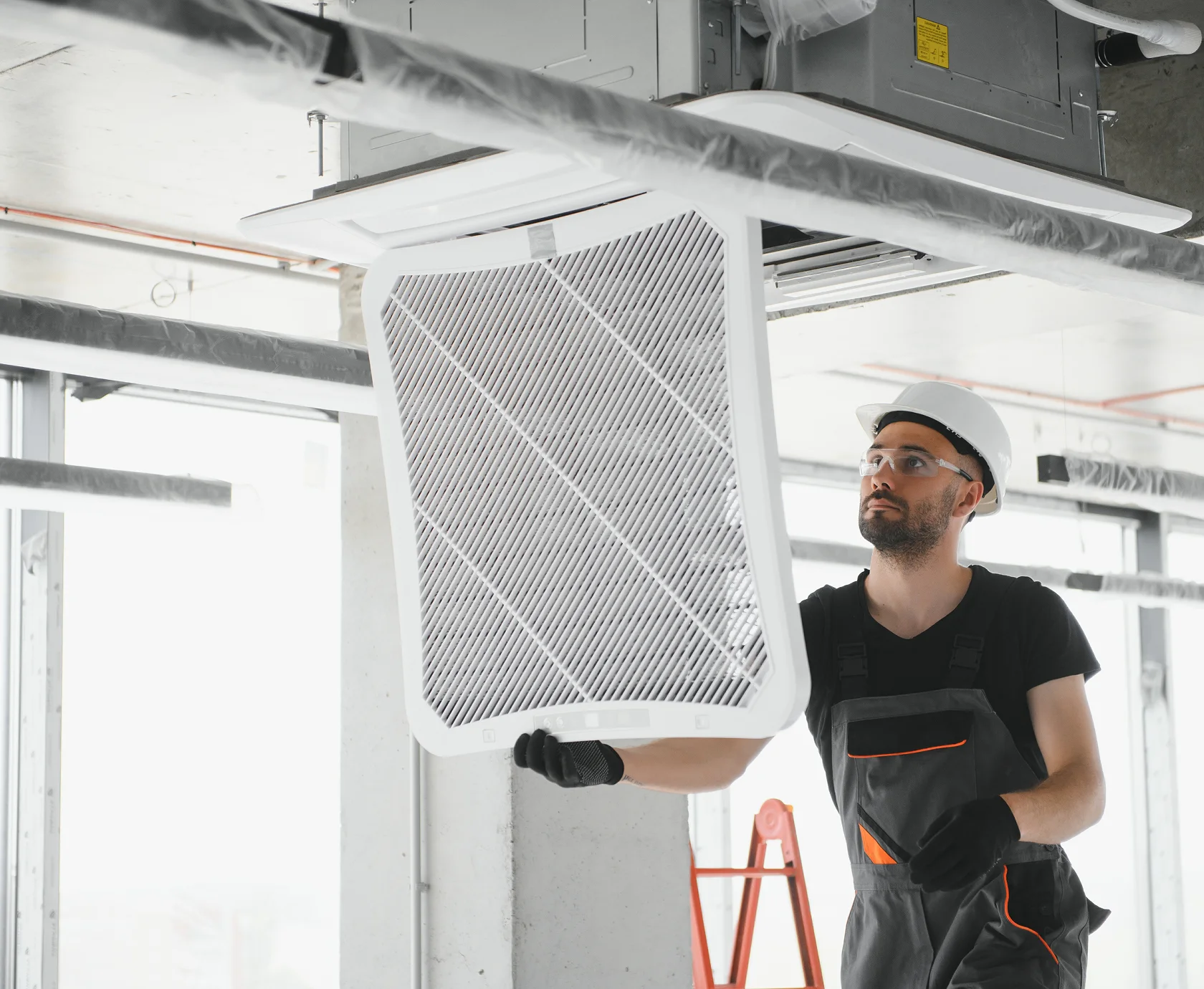
Discover practical steps to enhance the air quality in your home for a healthier and more comfortable living environment.
Read More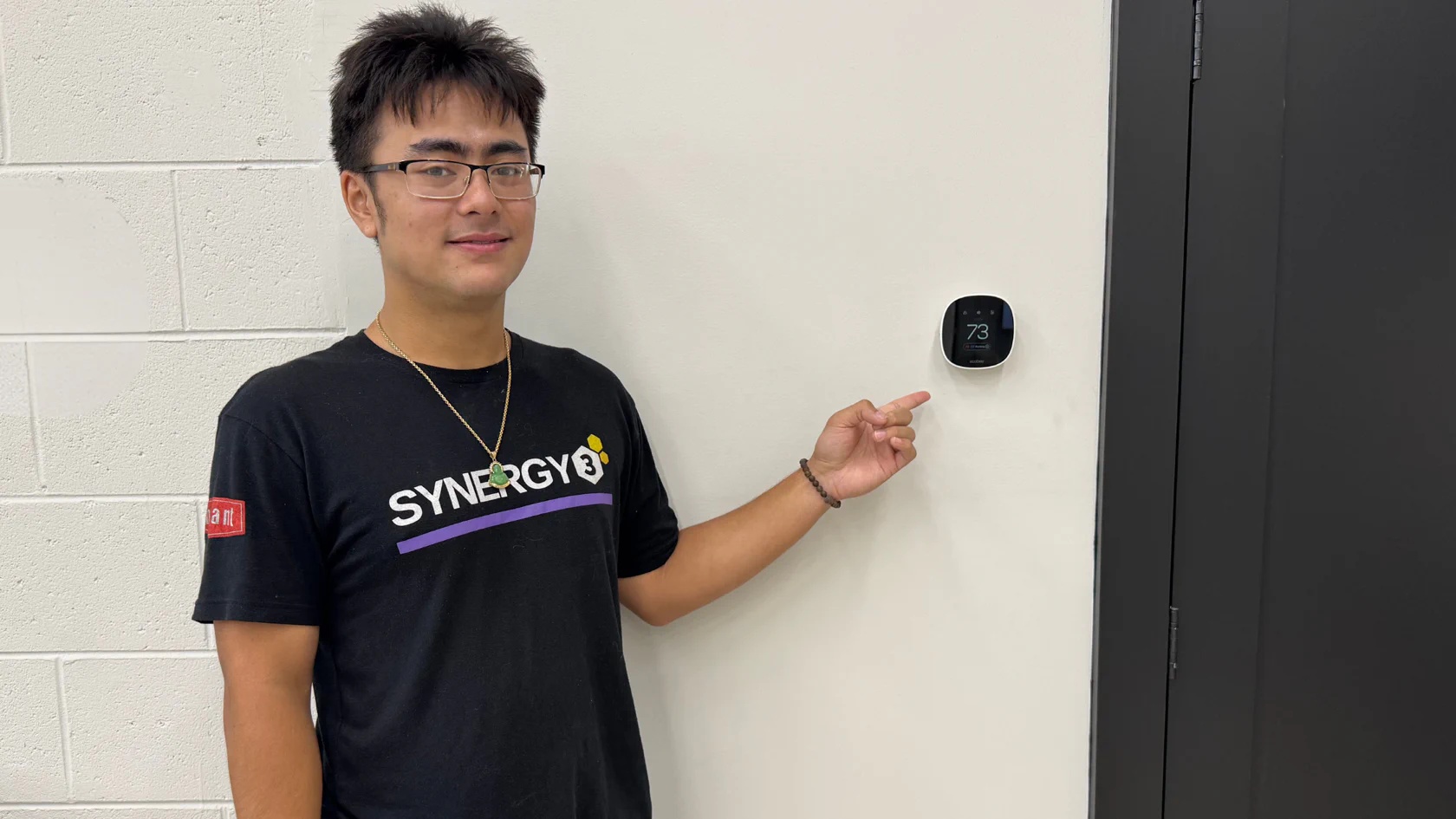
Lower your energy bills and reduce your carbon footprint with these practical HVAC energy-saving strategies.
Read More
Find a reliable and professional HVAC contractor with these essential tips for homeowners.
Read More
A plumber-approved way to clear a clogged sink, tub, or shower drain — and the warning signs that mean it’s time to put the plunger down.
Read More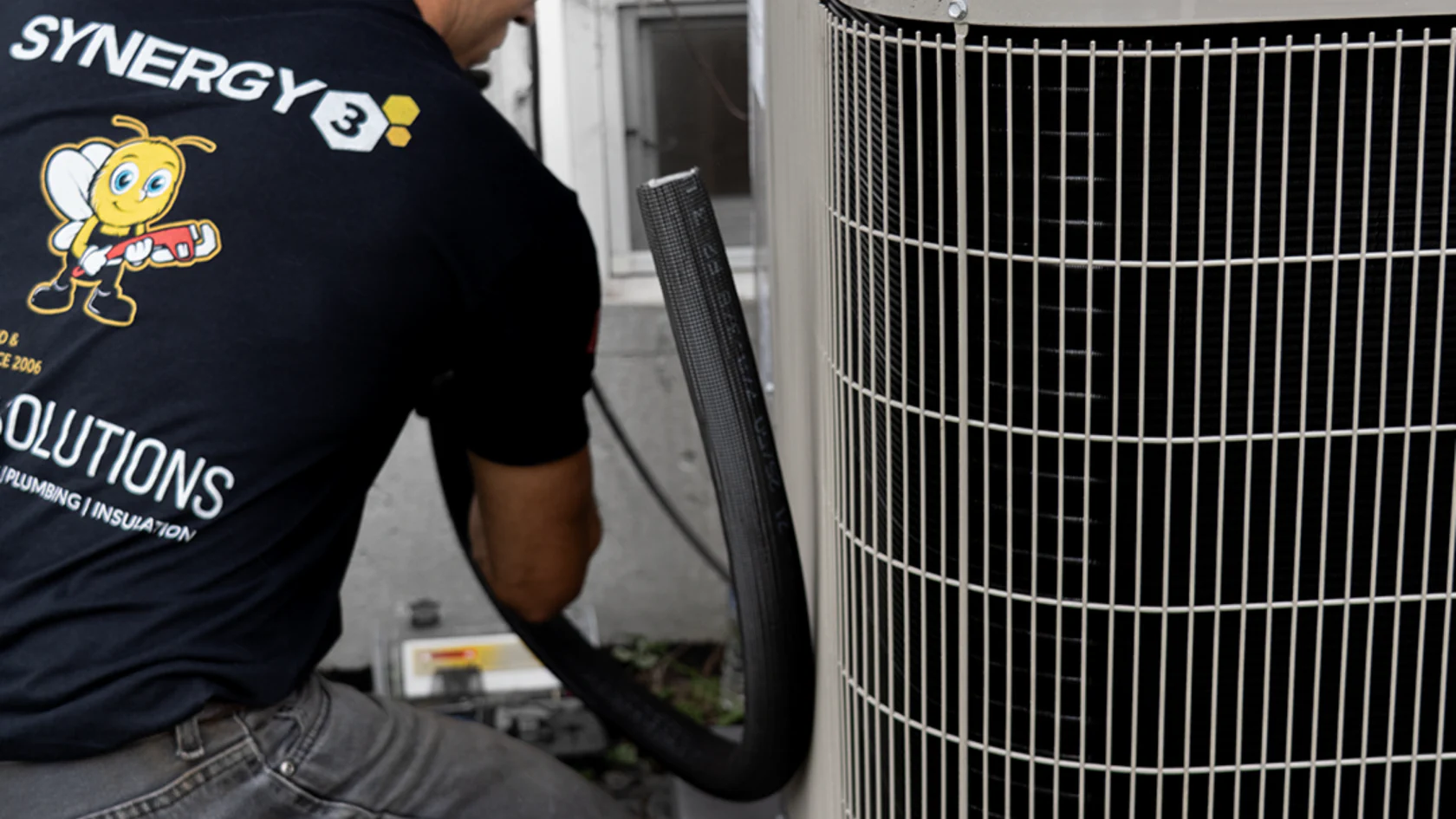
Water pooling around your indoor AC unit usually traces back to one of five causes. Here’s how to tell which one you have and what to do next.
Read More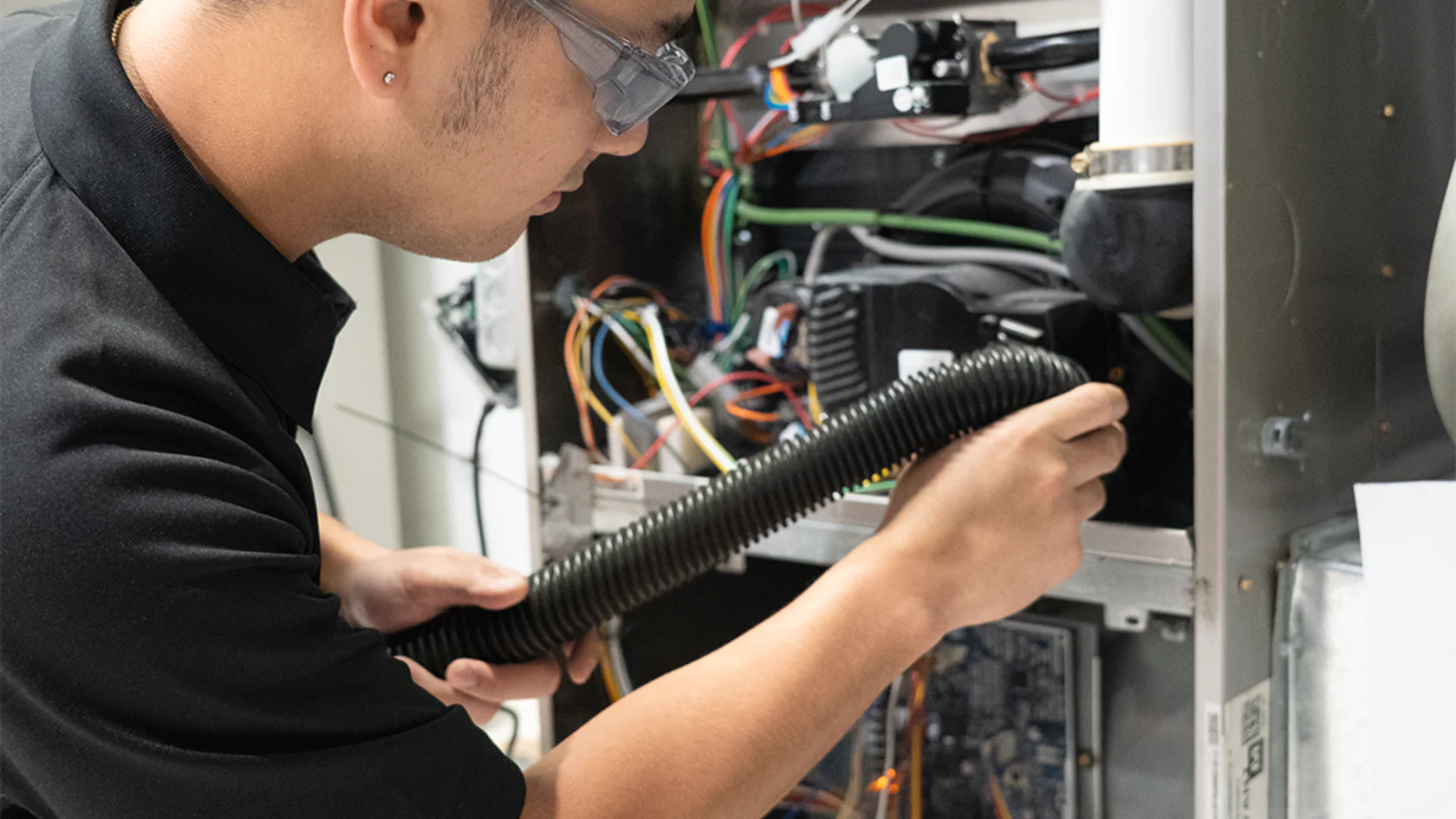
From a thermostat set to ON to a tripped safety switch, here are the six most common reasons a furnace blows cold air — and which fixes are safe to try.
Read More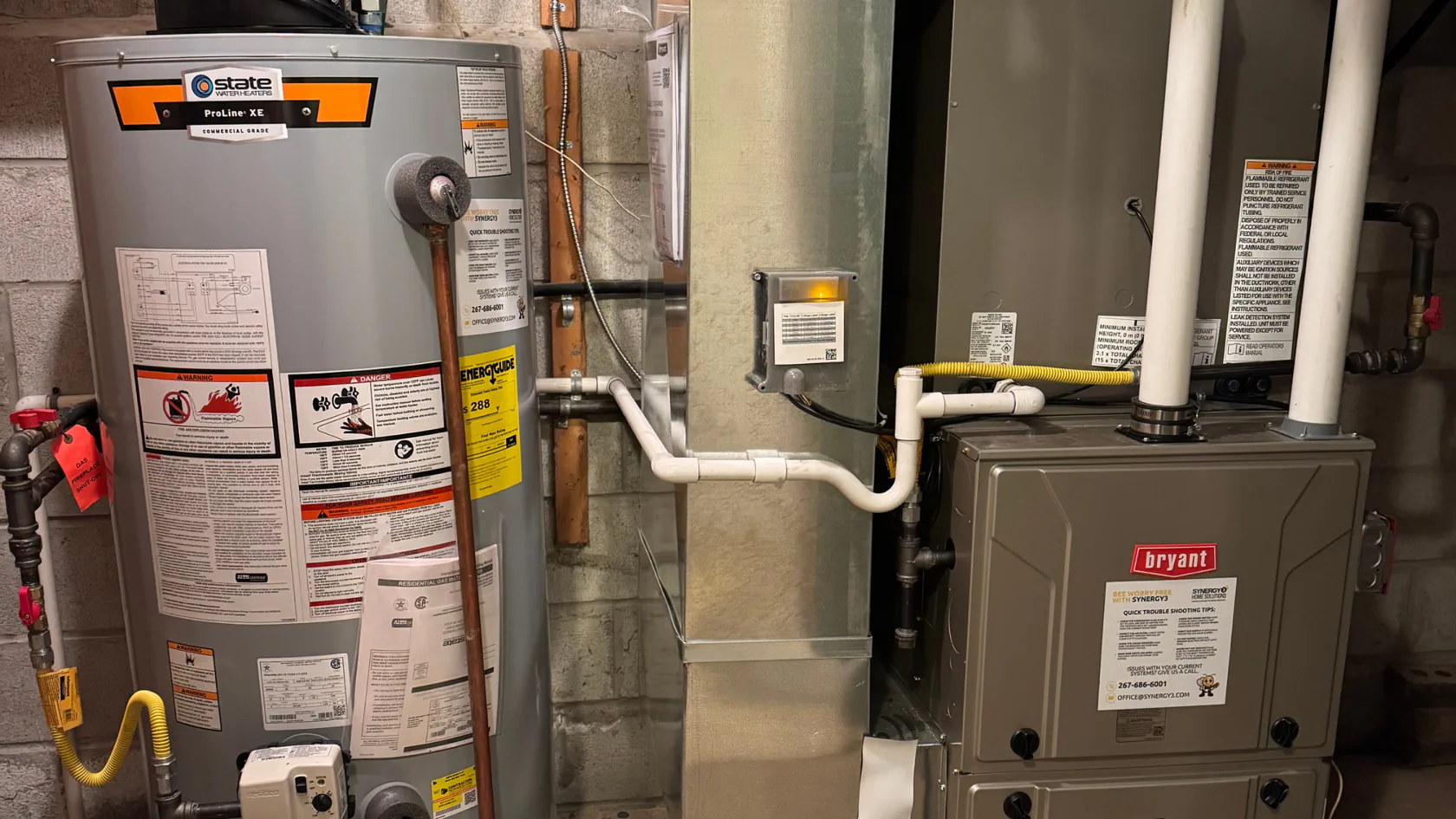
An annual flush clears out the sediment that shortens a water heater’s life. Here’s the full process, from shutting off power to refilling the tank.
Read More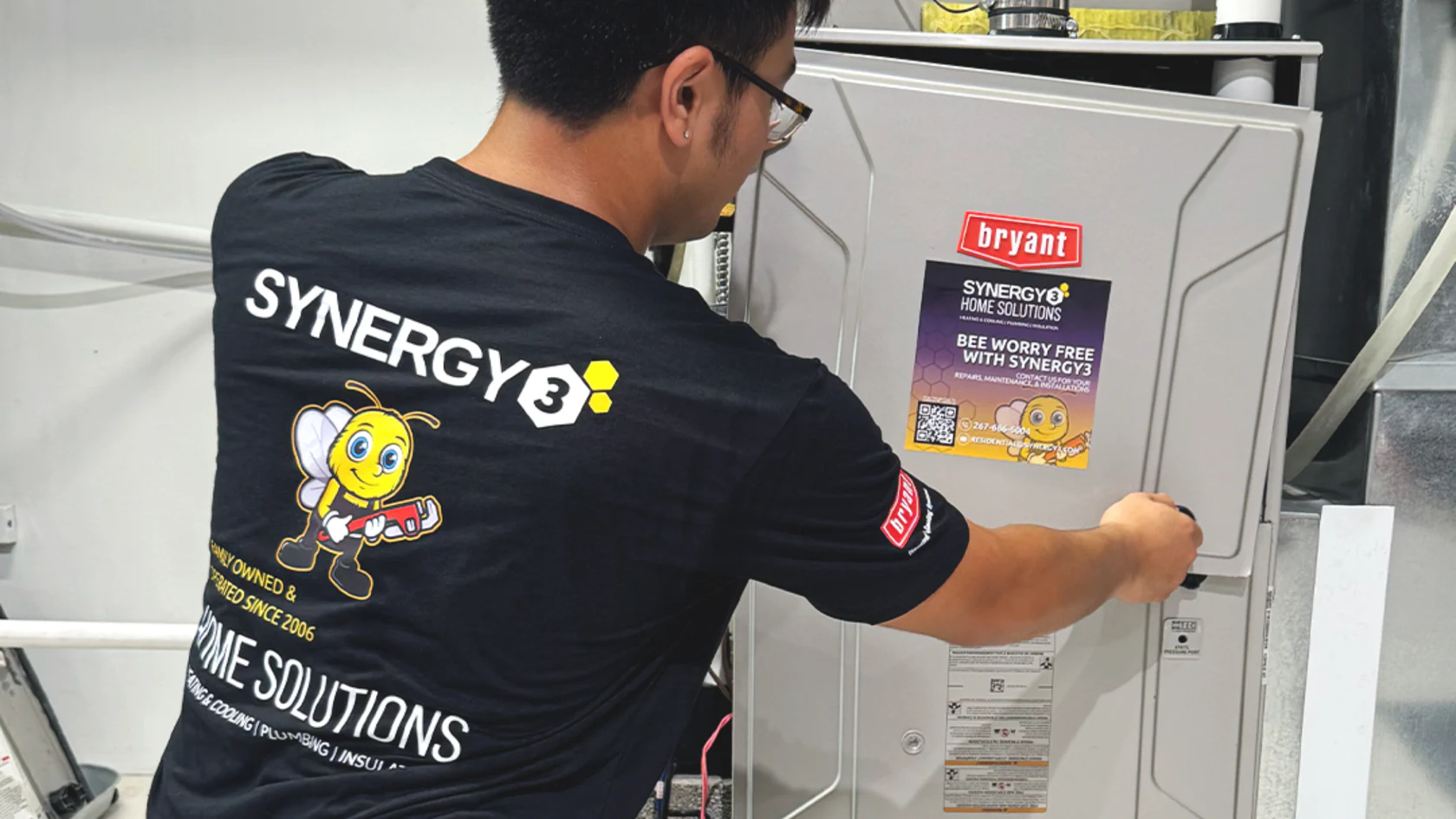
A room-by-room fall checklist that gets Philadelphia and South Jersey heating systems ready before the first cold night — most of it in one weekend.
Read More
That constant refill sound is water running onto your bill. Five quick checks inside the tank fix most running toilets — no special tools needed.
Read More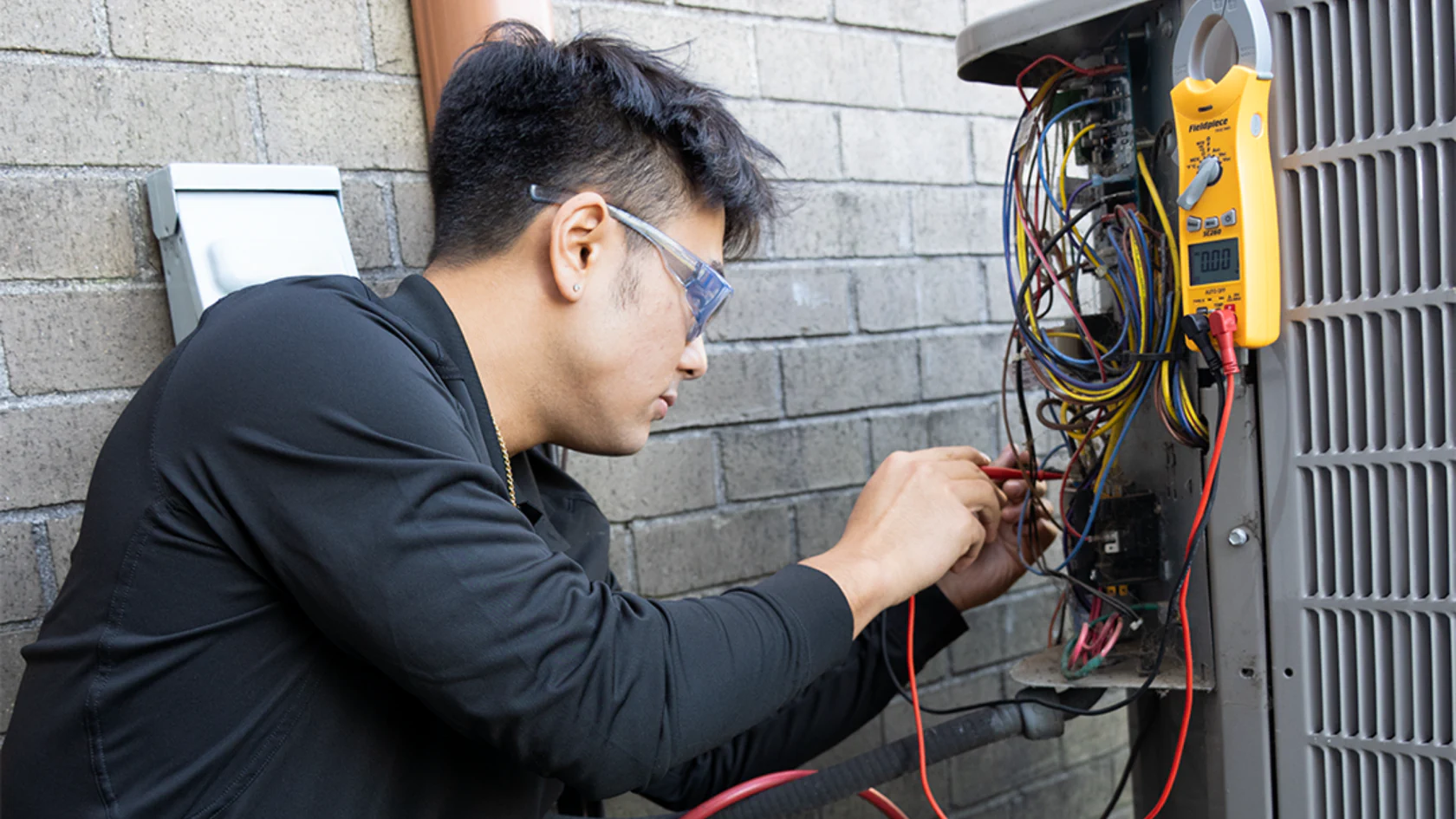
One burst pipe can flood a basement in minutes. Here’s how Delaware Valley homeowners can prevent freezes — and thaw a frozen line without making it worse.
Read More
If your home feels sticky at 72°F, your AC may be cooling without dehumidifying. Here’s what drives indoor humidity in our region and how to fix it.
Read More
A boiler rarely warns you before it fails for good. Here’s how to catch the signs early, what a new one costs, and what installation day looks like.
Read More
Moving into a new home in Princeton, West Windsor, or Plainsboro is exciting, but it also comes with a long list of systems to understand. One of the most important is your heating and cooling equipment.
Read More
Air conditioner running but not cooling? Check the filter, thermostat, breaker, outdoor unit and refrigerant signs - and know when to call a technician.
Read More
AC replacement cost explained: system size, SEER rating, ductwork and labor, plus what a rowhome retrofit adds. Rebates and financing options included.
Read More
What attic insulation costs by material and R-value in PA and NJ, what air sealing adds, and the utility rebates that can cover part of the job.
Read More
What furnace replacement costs in PA and NJ, what changes the price (size, efficiency, venting, ductwork), and which rebates and financing can offset it.
Read More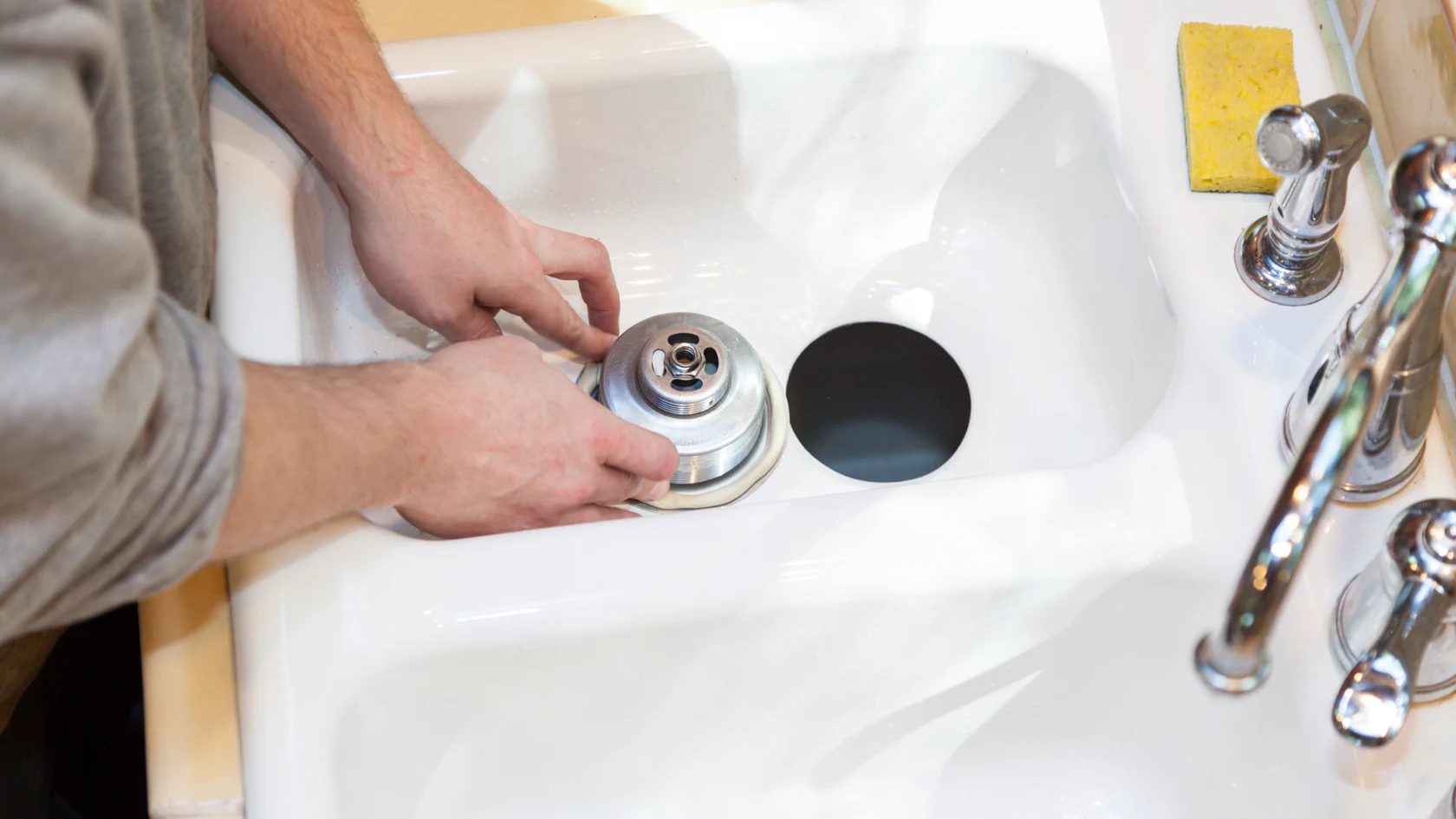
Humming, jammed or completely dead? Reset, unjam and troubleshoot a garbage disposal safely - and learn when replacement beats another repair.
Read More
What a heat pump costs to install in PA and NJ: price ranges by system type and size, what drives the quote, and the rebates and financing available.
Read More
Compare heat pumps and gas furnaces on upfront cost, running cost, comfort and rebates for Philadelphia and New Jersey homes - with a clear verdict.
Read More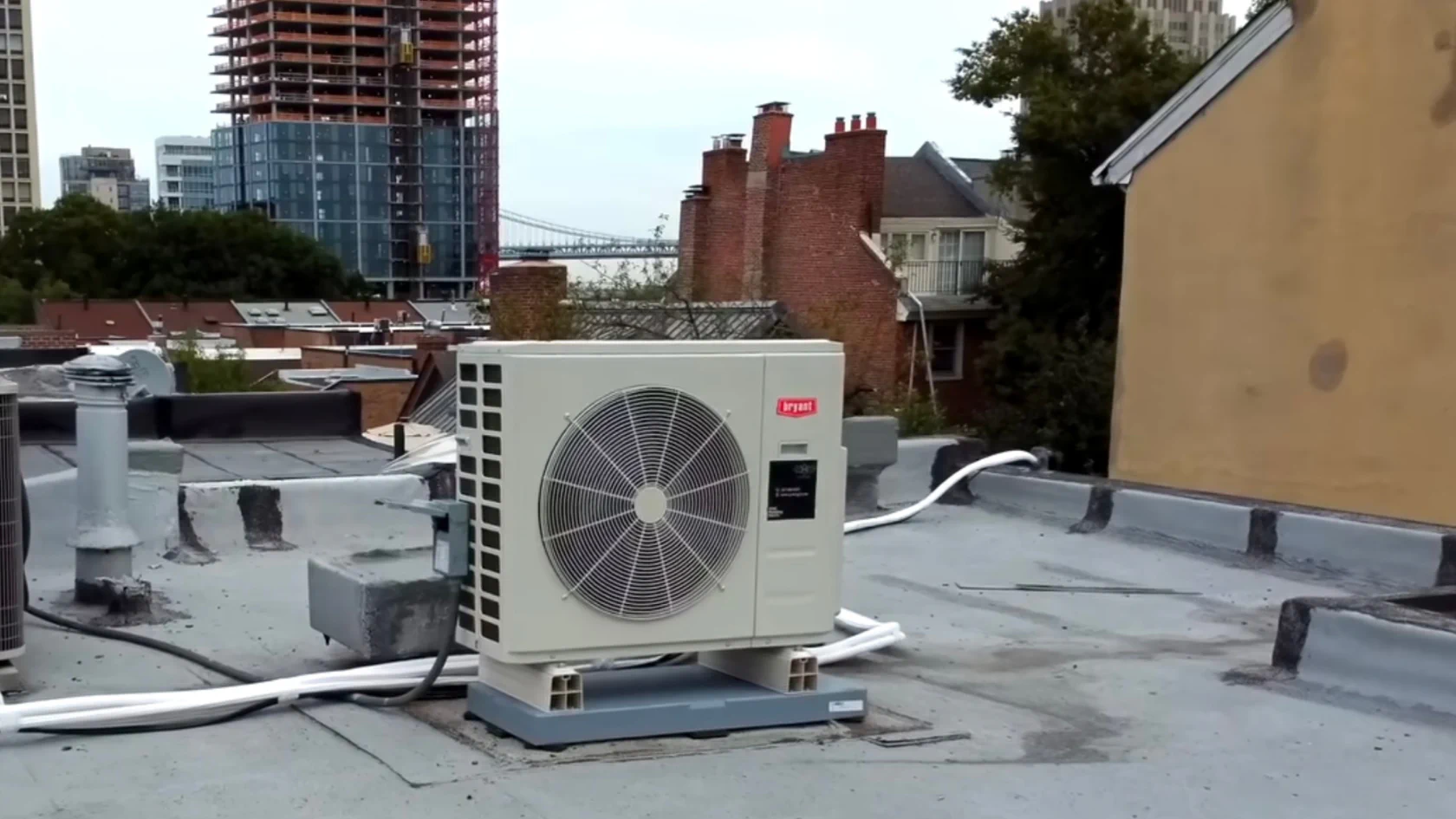
How a heat pump moves heat instead of making it, what changes in winter, and why cold-climate models keep working in Philadelphia and New Jersey.
Read More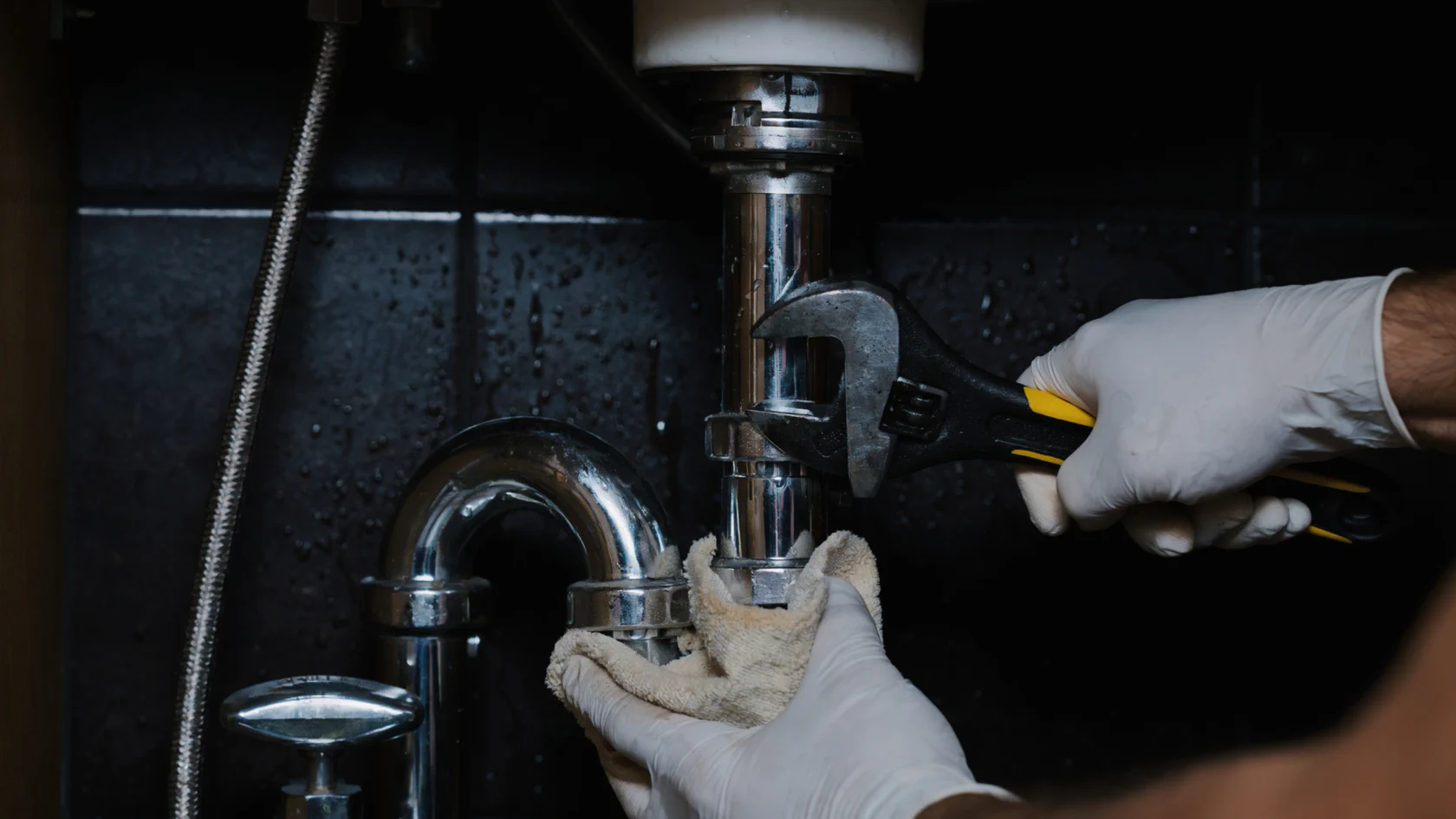
The safe way to clean and deodorize a garbage disposal, what never to put down it, and the habits that keep your kitchen drain from clogging.
Read More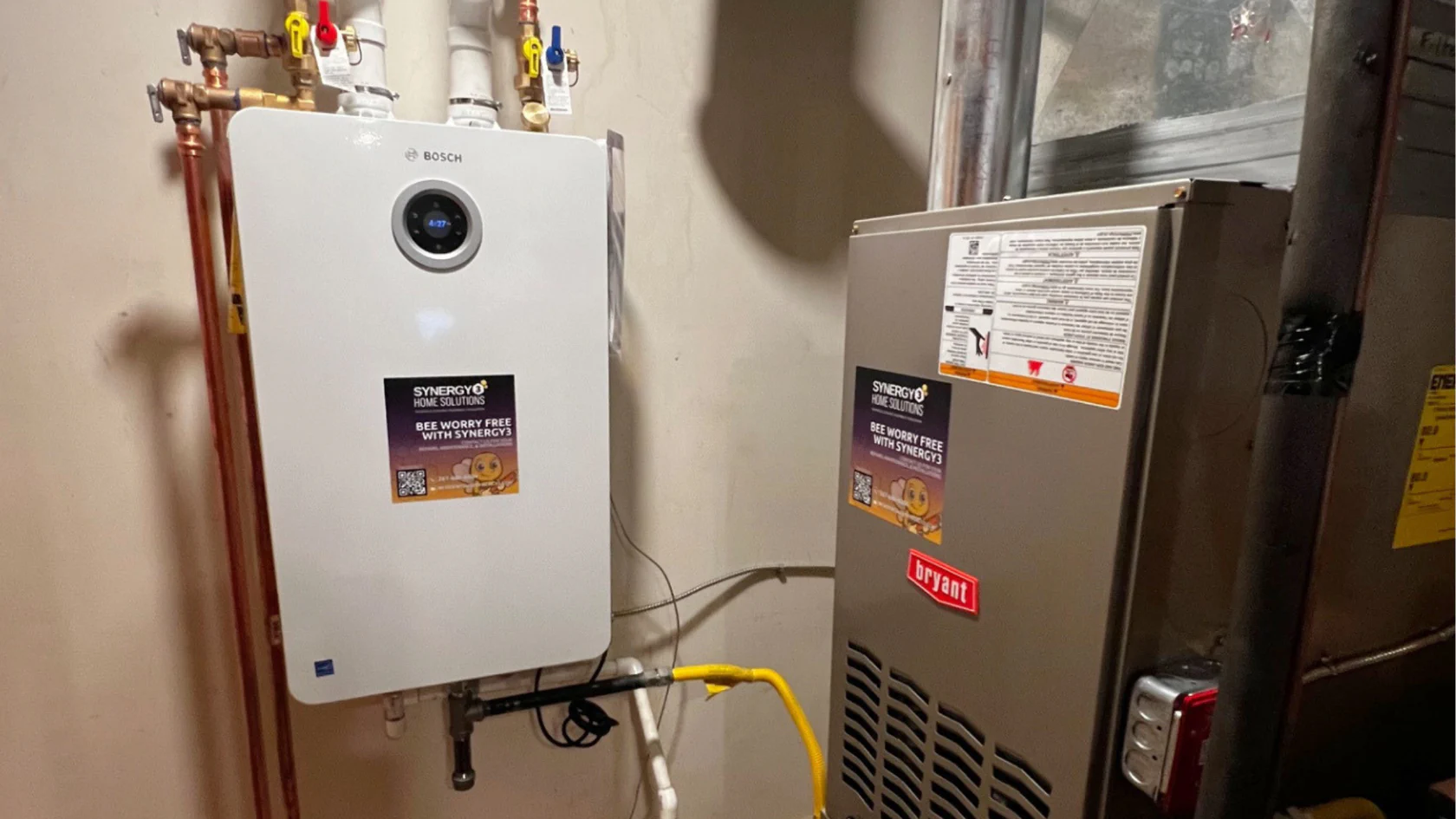
Tankless water heater costs in PA and NJ - unit, venting and gas line upgrades - plus the payback math versus a standard tank water heater.
Read More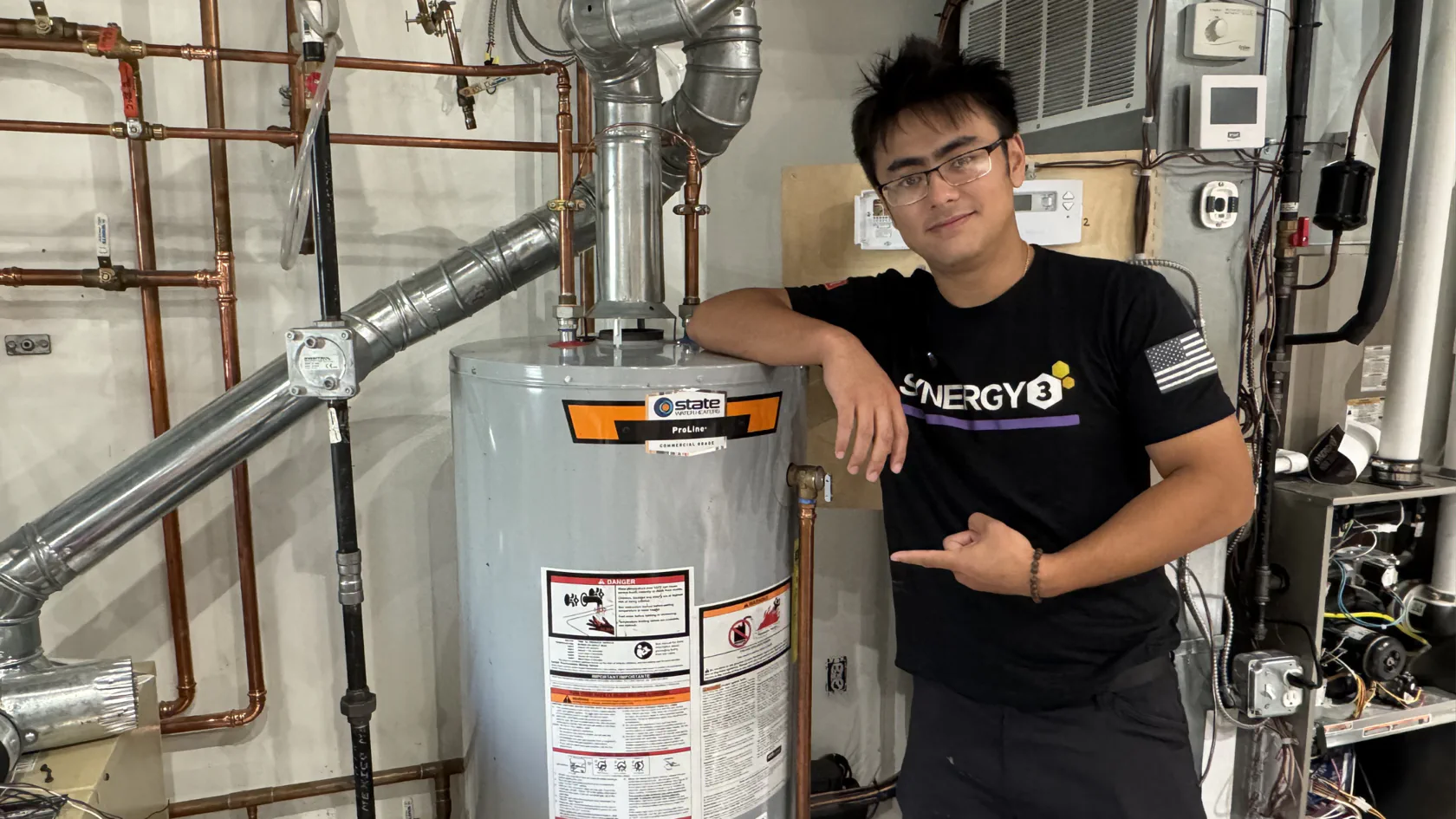
What a new water heater costs in PA and NJ: tank vs tankless, gas vs electric, permits and code upgrades, and how to keep the install price down.
Read More
A plain-English guide to heat pumps: how they heat and cool, what they cost to run, and whether one makes sense in the Philadelphia and NJ climate.
Read More