

8 minute read · Dec 26, 2025
What Does a Mini Split System Look Like Installed in a Home?
Ductless mini splits are a great way to heat and cool your home, but you may be wondering, what will it look like once it’s installed?
Read MoreExplore the pros and cons of ductless and central HVAC systems to find the best fit for your home and lifestyle.

The short answer is usually decided by one question: does the house already have good ductwork? If it does, and it serves every room you care about, a central system is normally the simpler and cheaper path. If it does not - a Philadelphia row home with radiators, a converted attic, an addition, a finished basement - a ductless mini split avoids the cost and disruption of building a duct system that was never there.
The rest of the decision is about zoning, efficiency and how the house is actually used. Here is what separates the two in practice, with both sides given the same weight.
| Ductless mini split | Central system | |
|---|---|---|
| Needs ductwork | No. An outdoor unit connects to indoor heads through a three-inch wall penetration | Yes. Existing ducts, or new ones built into the house |
| Duct energy loss | None. The Department of Energy notes duct losses can exceed 30 percent of space-conditioning energy use in a forced-air home | 20 to 30 percent of the air moved is typically lost to leaks in a typical house, per ENERGY STAR, less in a tight, sealed system |
| Zoning | Built in. Each head is its own zone with its own setpoint | One zone per system unless dampers and extra thermostats are added |
| Whole-home coverage | Needs a head in each conditioned area; open plans and hallways are harder | Even coverage anywhere a duct reaches |
| Visibility | Indoor heads are visible on the wall or ceiling | Vents only |
| Filtration and humidity control | Small washable filters per head; no central air cleaner or whole-home humidifier | Central filter, and can carry air cleaners, humidifiers and fresh-air ventilation |
| Best fit | Homes without ducts, additions, attics, garages, rooms that are always too hot or too cold | Homes with sound existing ductwork, or new construction where ducts are designed in |
Ductless systems are ideal for homes without existing ductwork or for room additions. They offer flexible installation and energy efficiency. One outdoor compressor connects by refrigerant lines to one or more indoor heads - wall-mounted, ceiling cassette or floor-standing - and each head conditions the space it is in. Most are heat pumps, so the same equipment cools in summer and heats in winter by reversing the refrigerant cycle. The compressor is an inverter type, which means it changes speed rather than switching between full blast and off, holding a steady temperature and drawing less power at part load.
Central systems provide whole-home comfort and are best for homes with existing ductwork. They can be more cost-effective for larger spaces. A single air handler or furnace conditions air in one location and a duct network distributes it to every room, with one thermostat governing the whole house. That single point of equipment is also the advantage: one filter to change, one place to service, and room for accessories that treat the whole house at once - a media filter, a UV light, a humidifier or a fresh-air ventilator.
These are two different questions and most comparisons blur them.
On upfront cost, the honest answer is that it depends on what the house already has. Where sound ductwork exists, replacing a central system is usually the lower-cost route because the expensive distribution network is already paid for. Where it does not, building ducts into a finished house means soffits, closets and lost ceiling height, and a ductless system routinely comes out cheaper and far less disruptive. Ductless pricing scales with the number of indoor heads, so a whole-home job with six heads is a different proposition from cooling two bedrooms. We do not publish price lists because every one of these depends on the house; estimates are free, on site and carry no obligation.
On running cost, ductless has a structural advantage in leaky-duct houses - there is no distribution loss, because there is no distribution. Inverter compressors also spend most of their time at part load rather than cycling on and off. That said, a mini split is an electric appliance, and where natural gas is already in the house and cheap, a gas furnace can still be less expensive to run in deep winter. The comparison is between your local electricity rate, the system's efficiency at the temperature you actually get, and your gas rate, not between the technologies in the abstract.
Both options are sold with the same two ratings, and comparing them is the only fair way to judge efficiency between a ductless and a central system. SEER2 measures cooling efficiency over a season and HSPF2 measures heating efficiency for a heat pump; higher numbers mean less electricity for the same output. Ductless systems generally post higher ratings than standard central equipment because variable-speed compressors run at part load most of the time and because nothing is lost in ducts on the way to the room.
Two cautions on ratings. They are laboratory figures for a matched pair of indoor and outdoor units, so a mismatched pair or a long line set will not deliver them, and they say nothing about how evenly a system will heat or cool your living space. A high-rated system that leaves the back bedroom cold has not solved your problem, which is why sizing and layout are decided before efficiency.
Most of the decisions homeowners actually face here are upgrades rather than new builds. If the entire house is served by ducts in reasonable shape, upgrading the central equipment and sealing the ducts keeps one system, one filter and one thermostat, and leaves the airflow arrangement people are used to. If the house has grown - a finished attic with sloped ceilings, a basement office, a sunroom that the traditional system never reached - adding one or two ductless zones targeted at those spaces is usually cheaper and faster than extending ductwork throughout the house.
Whichever direction you go, upgrade the envelope first where it is weak. Air sealing and insulation reduce the load on any system, which lowers the capacity you need to buy and the cost of running it for the next 15 years.
The comparison gets much easier when you write down what you are trying to achieve before looking at equipment. Three questions decide most of it: which rooms have to be comfortable, how much you expect to save on running costs, and how long you plan to stay in the house. A homeowner installing a system for the next 20 years weighs efficiency differently from one preparing a property for sale in two.
Then compare on the factors that actually differ - upfront scope of work, running cost based on your own fuel prices, control over individual rooms, and how each option handles the window of extreme weather we get in January and July. Utility incentives are worth checking at this stage too, since rebates for high-efficiency heat pumps can change which choice is the more affordable one. Understanding those trade-offs before quotes arrive is what keeps the decision yours rather than the salesperson's.
Local housing stock pushes the answer more than local climate does. Row homes and older twins in the city frequently have no duct system at all, and the ones that do often run ducts through unconditioned basements where losses are highest. Post-war suburban houses in South Jersey generally do have ducts, and there the question is usually whether they are worth keeping - which a pressure test answers.
On winter performance, the old warning that heat pumps stop working in the cold is out of date for modern inverter equipment; ENERGY STAR now runs a cold climate designation for units that hold capacity at low outdoor temperatures. What matters is that the equipment is selected for design temperature here, with a plan for the coldest nights - either a cold-climate-rated system or a backup heat source. Our HVAC services page covers how we size and install these across Philadelphia and New Jersey. Synergy3 Home Solutions has been family-run in the city since 2006, technicians are NATE-certified, and we install Bryant Evolution and Preferred equipment.
Choose ductless for flexibility and efficiency in smaller spaces or additions. Choose central for consistent comfort in larger homes with ducts. Consult with an HVAC professional to determine the best option for your needs and budget - specifically, ask for a load calculation rather than a rule of thumb, because sizing errors cost more over the life of the system than the choice between the two types.
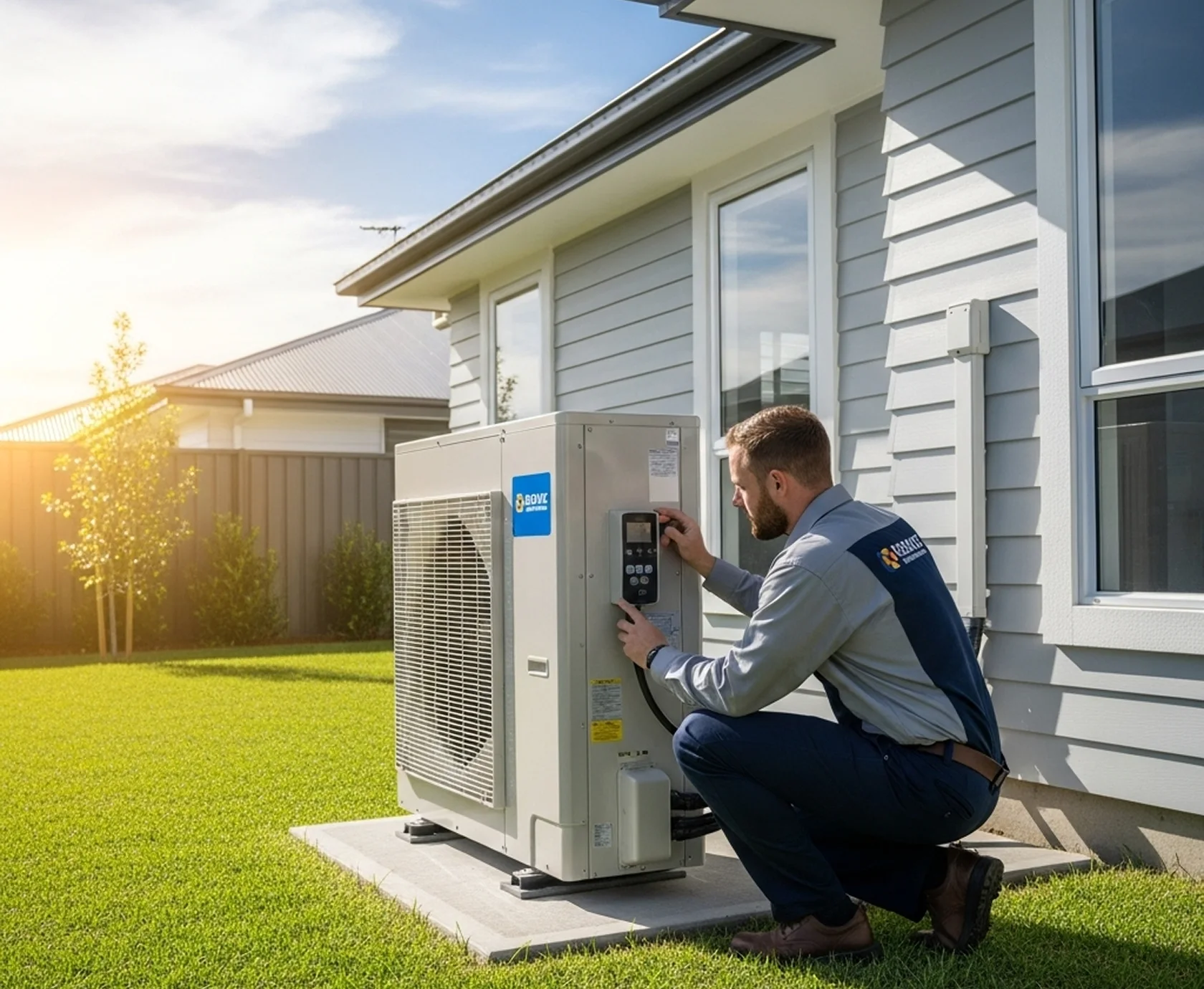
Ductless mini splits are a great way to heat and cool your home, but you may be wondering, what will it look like once it’s installed?
Read More
Keep your heat pump running efficiently year-round with these essential maintenance tips every homeowner should know.
Read More
Discover practical steps to enhance the air quality in your home for a healthier and more comfortable living environment.
Read More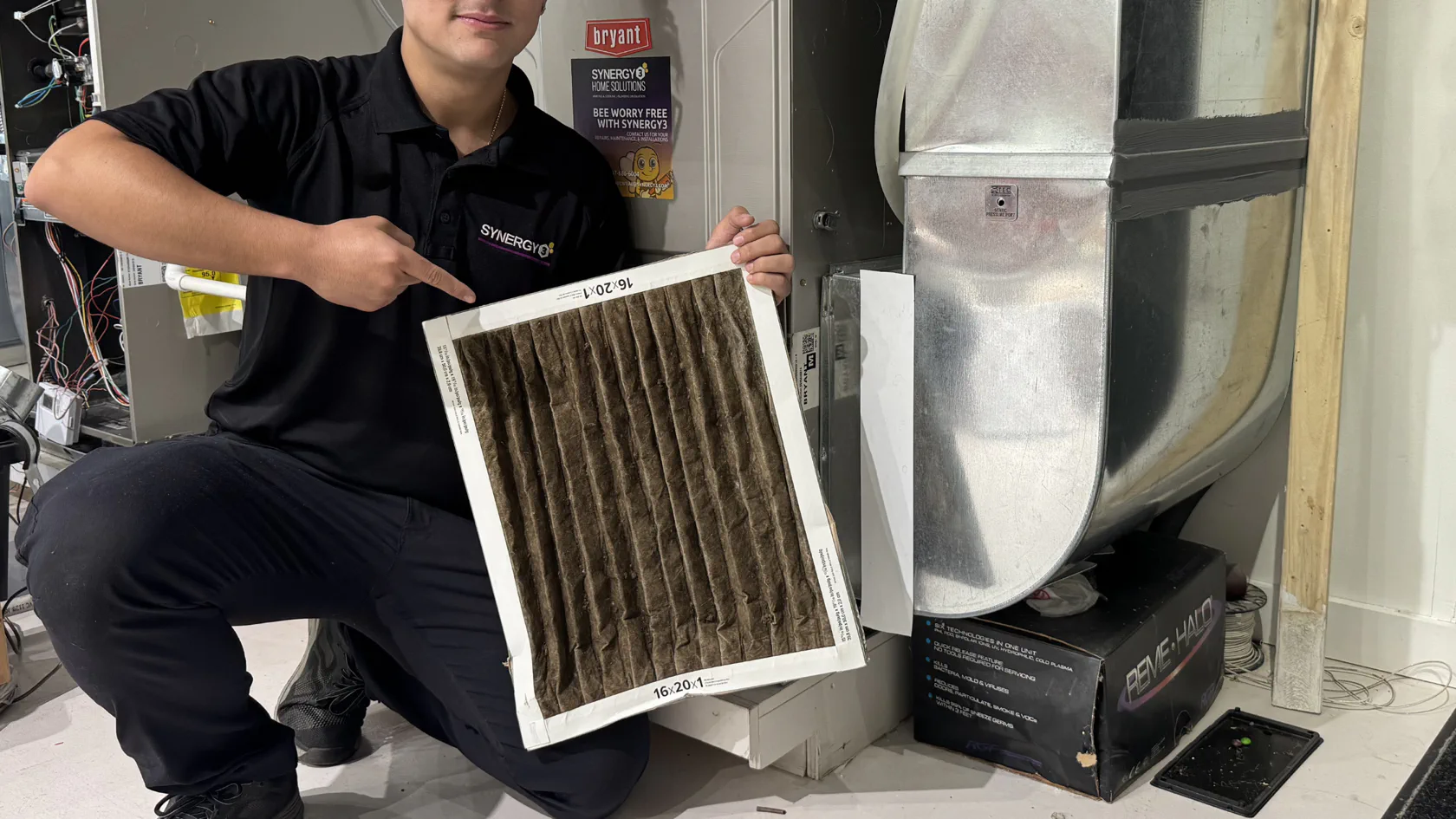
Get your HVAC system ready for every season with this comprehensive checklist to ensure optimal performance year-round.
Read More
Lower your energy bills and reduce your carbon footprint with these practical HVAC energy-saving strategies.
Read More
Find a reliable and professional HVAC contractor with these essential tips for homeowners.
Read More
A plumber-approved way to clear a clogged sink, tub, or shower drain — and the warning signs that mean it’s time to put the plunger down.
Read More
Water pooling around your indoor AC unit usually traces back to one of five causes. Here’s how to tell which one you have and what to do next.
Read More
From a thermostat set to ON to a tripped safety switch, here are the six most common reasons a furnace blows cold air — and which fixes are safe to try.
Read More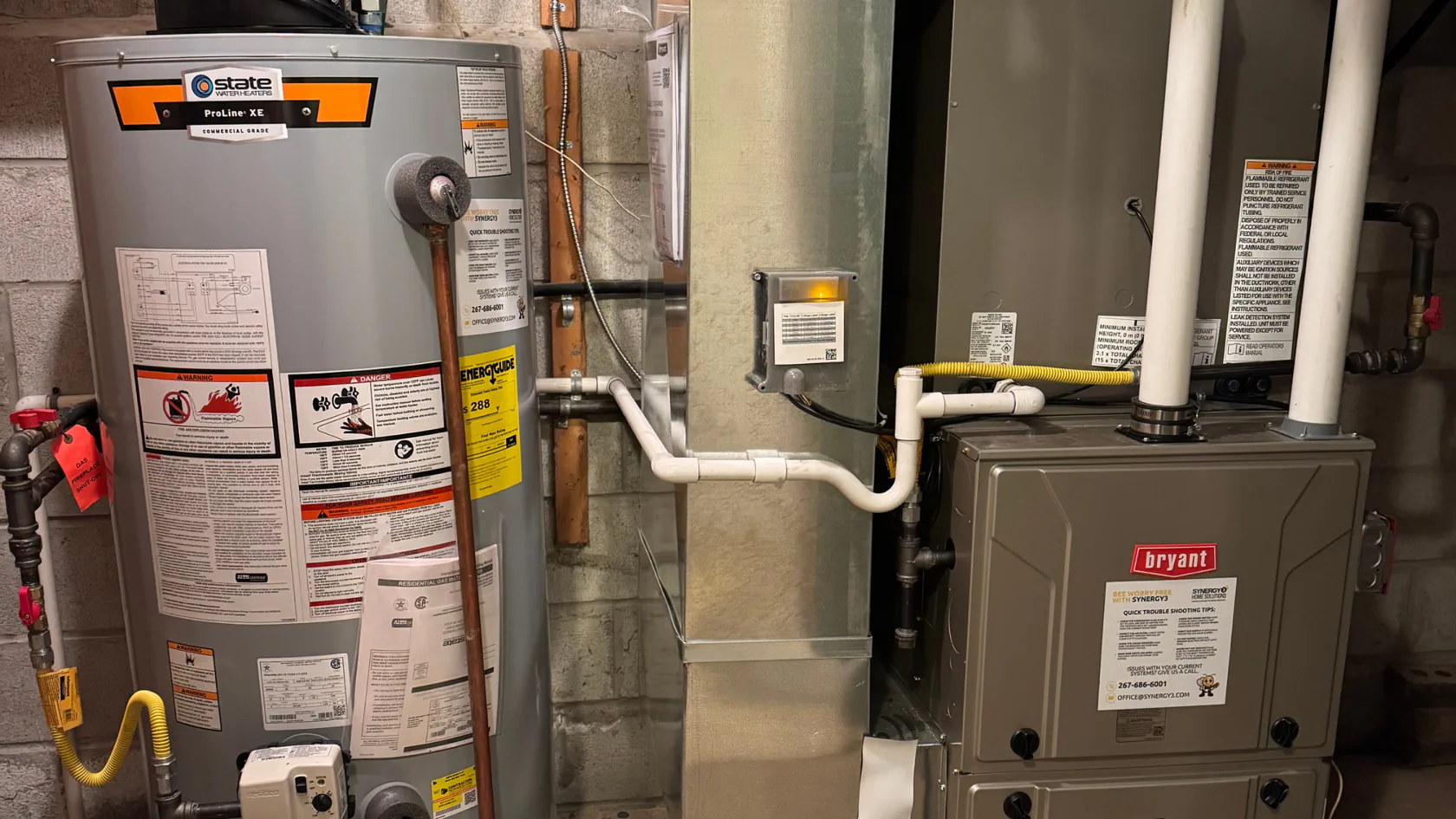
An annual flush clears out the sediment that shortens a water heater’s life. Here’s the full process, from shutting off power to refilling the tank.
Read More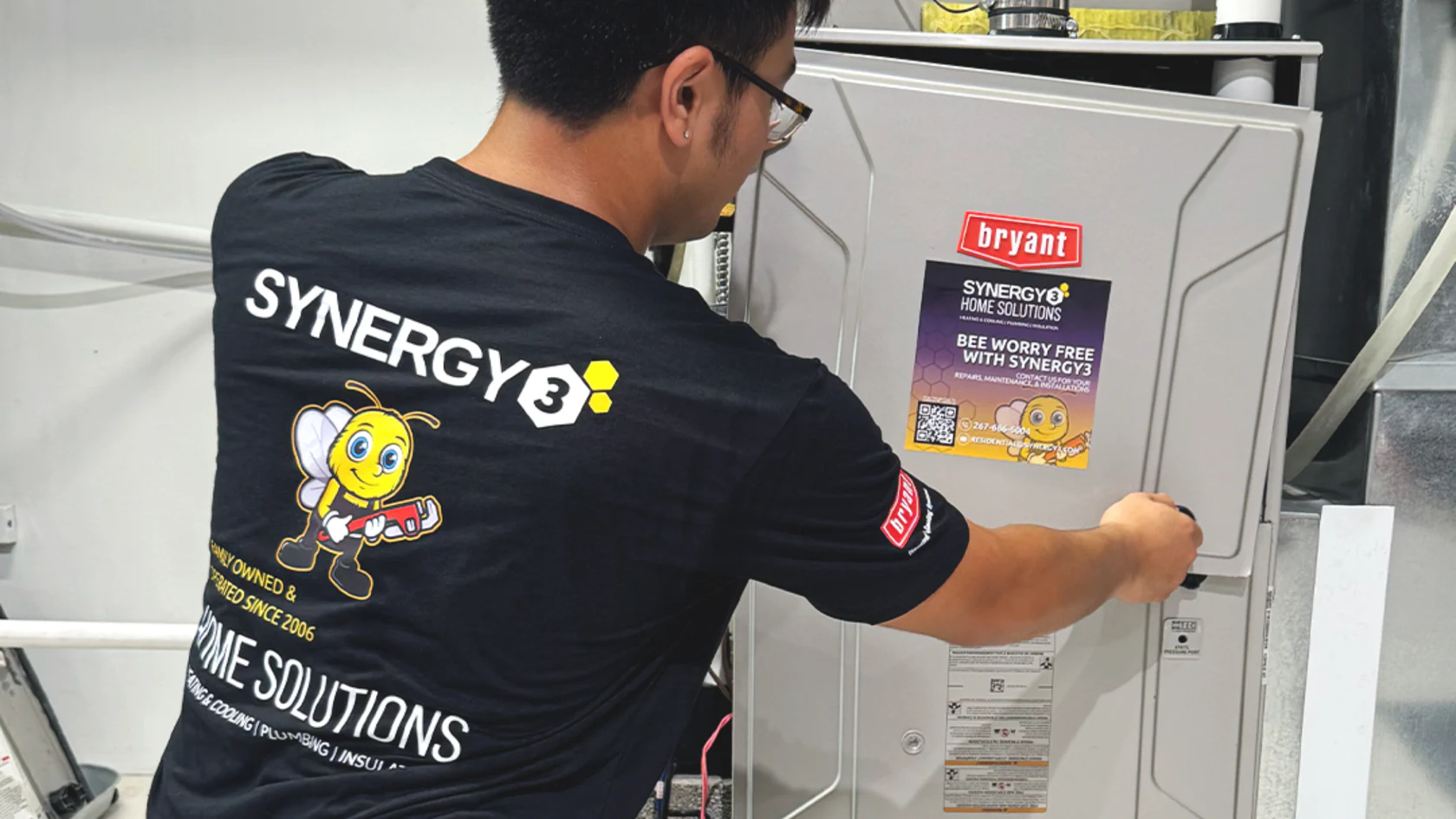
A room-by-room fall checklist that gets Philadelphia and South Jersey heating systems ready before the first cold night — most of it in one weekend.
Read More
That constant refill sound is water running onto your bill. Five quick checks inside the tank fix most running toilets — no special tools needed.
Read More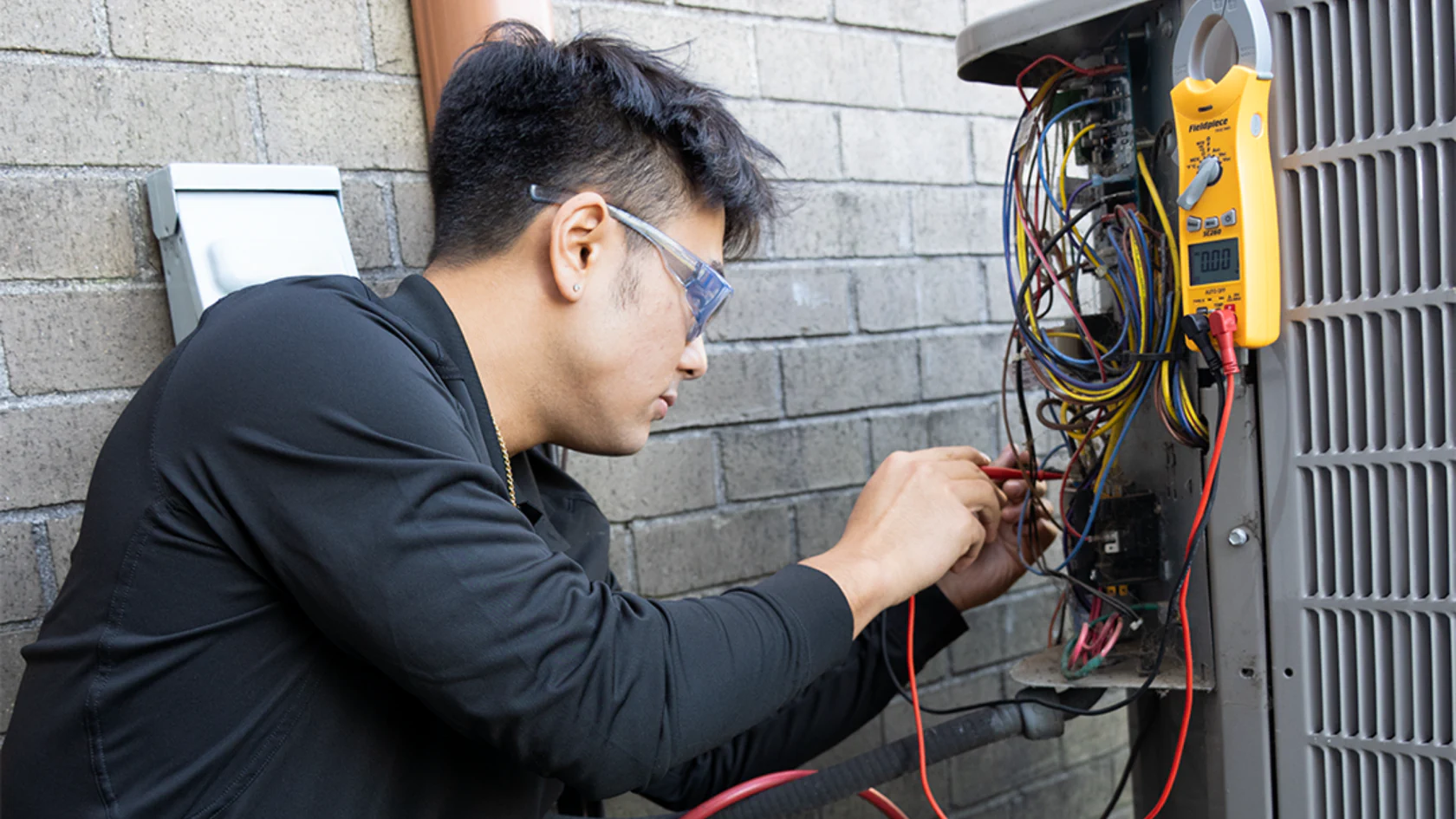
One burst pipe can flood a basement in minutes. Here’s how Delaware Valley homeowners can prevent freezes — and thaw a frozen line without making it worse.
Read More
If your home feels sticky at 72°F, your AC may be cooling without dehumidifying. Here’s what drives indoor humidity in our region and how to fix it.
Read More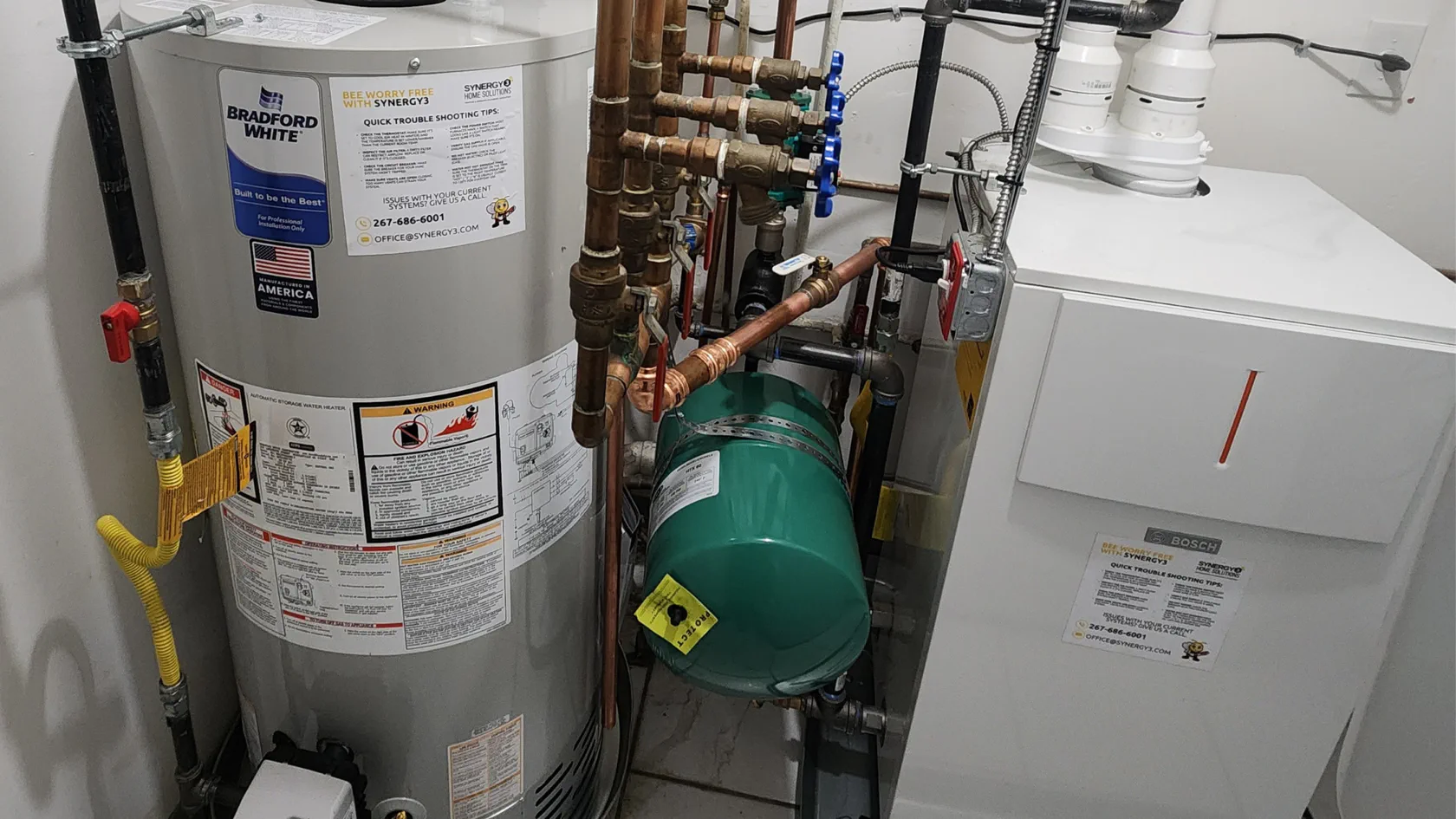
A boiler rarely warns you before it fails for good. Here’s how to catch the signs early, what a new one costs, and what installation day looks like.
Read More
Moving into a new home in Princeton, West Windsor, or Plainsboro is exciting, but it also comes with a long list of systems to understand. One of the most important is your heating and cooling equipment.
Read More
Air conditioner running but not cooling? Check the filter, thermostat, breaker, outdoor unit and refrigerant signs - and know when to call a technician.
Read More
AC replacement cost explained: system size, SEER rating, ductwork and labor, plus what a rowhome retrofit adds. Rebates and financing options included.
Read More
What attic insulation costs by material and R-value in PA and NJ, what air sealing adds, and the utility rebates that can cover part of the job.
Read More
What furnace replacement costs in PA and NJ, what changes the price (size, efficiency, venting, ductwork), and which rebates and financing can offset it.
Read More
Humming, jammed or completely dead? Reset, unjam and troubleshoot a garbage disposal safely - and learn when replacement beats another repair.
Read More
What a heat pump costs to install in PA and NJ: price ranges by system type and size, what drives the quote, and the rebates and financing available.
Read More
Compare heat pumps and gas furnaces on upfront cost, running cost, comfort and rebates for Philadelphia and New Jersey homes - with a clear verdict.
Read More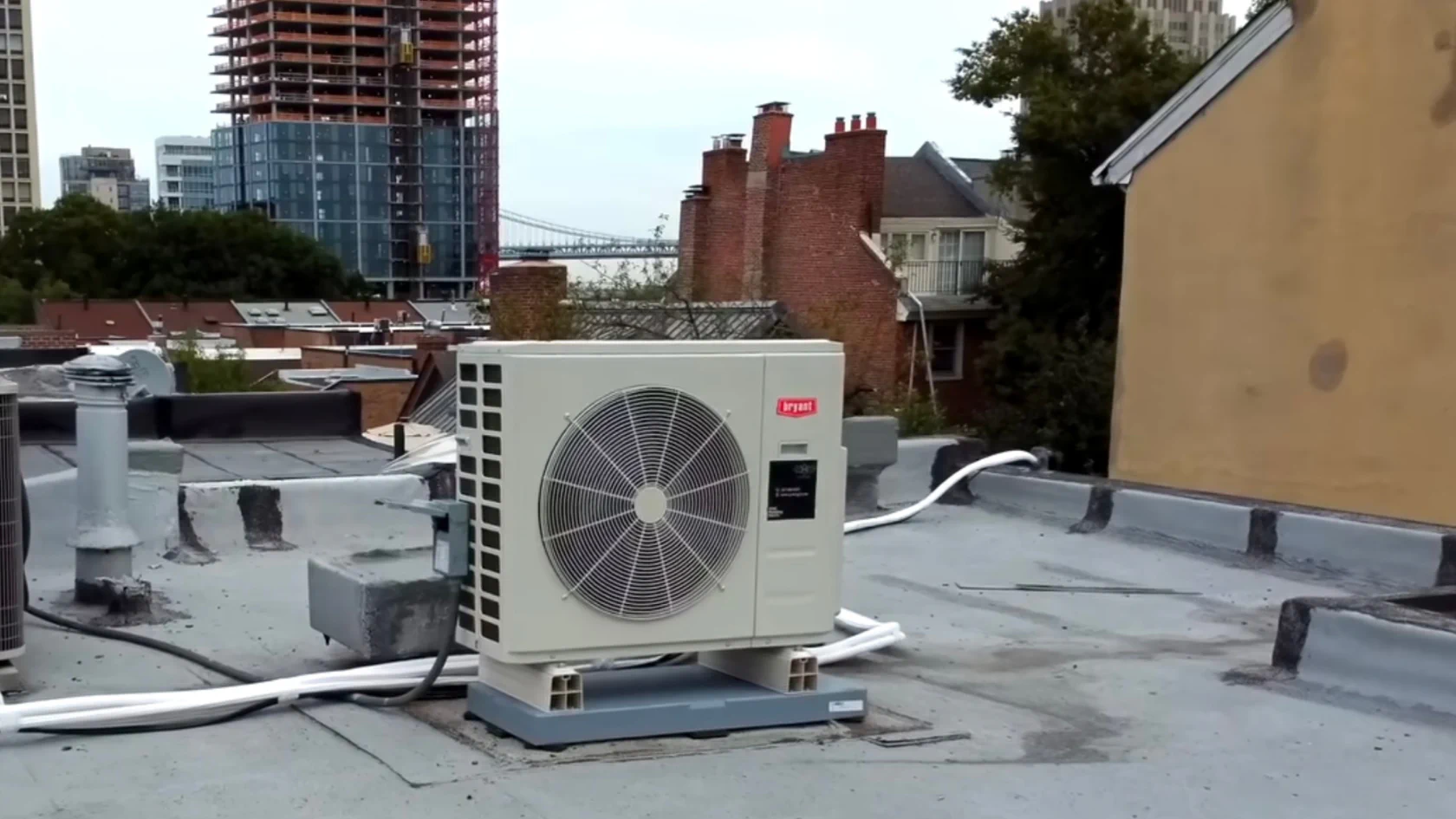
How a heat pump moves heat instead of making it, what changes in winter, and why cold-climate models keep working in Philadelphia and New Jersey.
Read More
The safe way to clean and deodorize a garbage disposal, what never to put down it, and the habits that keep your kitchen drain from clogging.
Read More
Tankless water heater costs in PA and NJ - unit, venting and gas line upgrades - plus the payback math versus a standard tank water heater.
Read More
What a new water heater costs in PA and NJ: tank vs tankless, gas vs electric, permits and code upgrades, and how to keep the install price down.
Read More
A plain-English guide to heat pumps: how they heat and cool, what they cost to run, and whether one makes sense in the Philadelphia and NJ climate.
Read More