

8 minute read · Dec 26, 2025
What Does a Mini Split System Look Like Installed in a Home?
Ductless mini splits are a great way to heat and cool your home, but you may be wondering, what will it look like once it’s installed?
Read MoreFind a reliable and professional HVAC contractor with these essential tips for homeowners.

Choosing an HVAC contractor is not like choosing a plumber for a leaky faucet. A furnace or an air conditioner is a 12 to 20 year purchase, the install work is hidden inside walls and above ceilings, and a system that was sized or commissioned badly will cost you money every month for the rest of its life without ever breaking down loudly enough to make you call anyone.
The good news is that most of the checking can be done before a single technician sets foot in your home. License status, insurance, certification and pricing practice are all verifiable in an afternoon. This guide walks through what to verify, in what order, and what the answers should look like in Pennsylvania and New Jersey.
When selecting an HVAC contractor, prioritize experience, licensing, and customer reviews. A reputable contractor should offer transparent pricing and stand behind their work with warranties. Those three things - the paperwork, the track record and the way a company quotes - tell you more than any advertisement, and each one can be checked independently of what the salesperson says.
Before any of the checking below, you need names worth checking. Three sources give better results than a search page alone:
Most contractors in this area are honest operators, and the aim of the exercise is simply to sort them from the few who are not. Then open each company's website and look for the things a local contractor has no reason to hide: a physical address in your area, the services they actually perform, the brands they install, and their license or registration number. A site that lists no address and no number is telling you something important before you have even called.
Licensing for heating and cooling work is handled differently on each side of the Delaware, which matters if you live in the Philadelphia suburbs and are calling companies from both states.
Pennsylvania has no statewide HVAC trade license. Instead, anyone performing more than $5,000 of home improvement work a year must register with the Office of the Attorney General under the Home Improvement Consumer Protection Act and put that registration number - it starts with "PA" - on every contract, estimate and advertisement. You can look up any number in the state's Home Improvement Contractor search at hicsearch.attorneygeneral.gov. Inside Philadelphia there is a second layer: the city requires its own contractor license through the Department of Licenses and Inspections, and mechanical work needs a permit pulled in the contractor's name, not yours.
New Jersey is stricter. Heating, ventilating, air conditioning and refrigeration work requires a state Master HVACR contractor license issued by the Division of Consumer Affairs, and those license numbers begin with "19HC". Home improvement contractor registration is separate and also required. Both are searchable in the state's license verification system, and it takes about a minute.
Ask for a certificate of insurance showing general liability and workers' compensation, and ask that it be sent from the insurer rather than photographed from a folder. If an uninsured technician is hurt in your attic, the claim can land on your homeowner's policy. Separately, anyone who opens the refrigerant circuit must hold EPA Section 608 certification - that is federal law under the Clean Air Act, not a company preference.
Understand what experience is worth before you weigh it. Years in business is a blunt measure, but it does tell you whether a company has survived a full replacement cycle and whether it will still exist when a warranty claim comes up in year eight. More useful is depth in the specific work you need. A company that installs 300 heat pumps a year is a different proposition from one that installs three, even if both have been trading since the 1990s. Ask how the company splits its work between installations and repairs, too: a business that only sells new systems has less day-to-day exposure to how equipment actually fails, and a service department is what you will need on the evening of a breakdown.
Two credentials are worth asking about by name. NATE certification tests technicians on real diagnostic and installation knowledge rather than on attendance, and it is renewed rather than granted for life. BPI certification covers building performance - insulation, air sealing and how the house itself behaves - which is the difference between a contractor who swaps equipment and one who can tell you why the back bedroom has never been comfortable. Synergy3 Home Solutions has been family-run in Philadelphia since 2006, with NATE-certified service technicians and BPI-certified building crews, and holds a 4.9-star rating from more than 500 Google reviews across Pennsylvania and New Jersey.
A price given over the phone or from a photo of your old unit is a guess about the single most expensive decision in the project: size. Correct sizing comes from a load calculation - the industry method is ACCA Manual J - which accounts for square footage, ceiling heights, window area and orientation, insulation levels, air leakage and how the ductwork runs. In the older Philadelphia row homes and the 1960s Jersey splits we work in every week, two houses on the same block can need different equipment.
Oversizing is the most common outcome of a guess, and it is not a harmless error. An oversized air conditioner cools the air quickly, satisfies the thermostat and shuts off before it has removed the moisture, which is why a house can be cold and clammy at the same time. Short cycling also wears the compressor and the ignition components faster. A contractor who will not measure before quoting is telling you how the rest of the job will go.
Get proposals in writing from at least two or three companies and compare them line by line rather than by the number at the bottom. A bid you can act on should show:
Options are a good sign, not a sales tactic, as long as they are genuine. Upfront pricing with good, better and best choices lets you see what efficiency costs before you commit, and financing with approved credit - including 0% offers - belongs in that same conversation rather than being produced at signing. If a promotion applies, such as the current $1,000 off full system replacements, it should appear on the written quote, not only in conversation.
The point of all this checking is not paperwork for its own sake. An experienced crew that sizes the system correctly, seals the ductwork and commissions the equipment properly is what determines whether you actually get the efficiency you paid for, and that difference shows up every month rather than once. Correctly installed equipment reduces energy use, runs fewer hours and breaks down less often; the same equipment installed badly does the opposite while the warranty quietly depends on it.
A good contractor will also tell you when the equipment is not the problem. If a room is uncomfortable because of leaky ductwork, thin attic insulation or old windows, changing the furnace will not fix it, and a company that says so before quoting is worth more than one that sells you a larger system. Depending on the house, that conversation can be the most useful part of the visit.
Most bad experiences announce themselves early. The pattern is consistent enough that our own technicians recognize the aftermath on service calls.
Use these on the phone before you book an estimate. The answers take two minutes and rule out most of the field.
On that last question, be wary of a promise that sounds unlimited. We are open Monday through Friday from 7:00 am to 7:00 pm and Saturday from 7:00 am to 3:00 pm, and within those hours no-heat and no-cooling calls are prioritized ahead of routine work for same-day service. A company that claims constant availability is usually describing an answering service, not a technician.
A good installer is available after the sale, and that is where the relationship earns its keep. The contractor relationship does not end at commissioning. Register the equipment with the manufacturer, keep the permit and inspection paperwork with your house records, and put maintenance on a schedule rather than on memory. Most manufacturer warranties require documented annual service, so a skipped year can quietly void coverage on a part that fails in year six. Our Bee Protected Plan starts at $150 a year for HVAC, covers a 17-point checklist and carries no overtime or dispatch fees for members. One note for older homes in the region: we do not offer maintenance programs on oil systems.
If you are comparing companies for a repair, a replacement or a first install, our HVAC services page lays out what we cover across Philadelphia and New Jersey, and every estimate is free, on site and carries no obligation.
Choosing the right contractor ensures quality workmanship and peace of mind. Take your time to research and compare options before making a decision.
Ductless mini splits are a great way to heat and cool your home, but you may be wondering, what will it look like once it’s installed?
Read More
Keep your heat pump running efficiently year-round with these essential maintenance tips every homeowner should know.
Read More
Explore the pros and cons of ductless and central HVAC systems to find the best fit for your home and lifestyle.
Read More
Discover practical steps to enhance the air quality in your home for a healthier and more comfortable living environment.
Read More
Get your HVAC system ready for every season with this comprehensive checklist to ensure optimal performance year-round.
Read More
Lower your energy bills and reduce your carbon footprint with these practical HVAC energy-saving strategies.
Read More
A plumber-approved way to clear a clogged sink, tub, or shower drain — and the warning signs that mean it’s time to put the plunger down.
Read More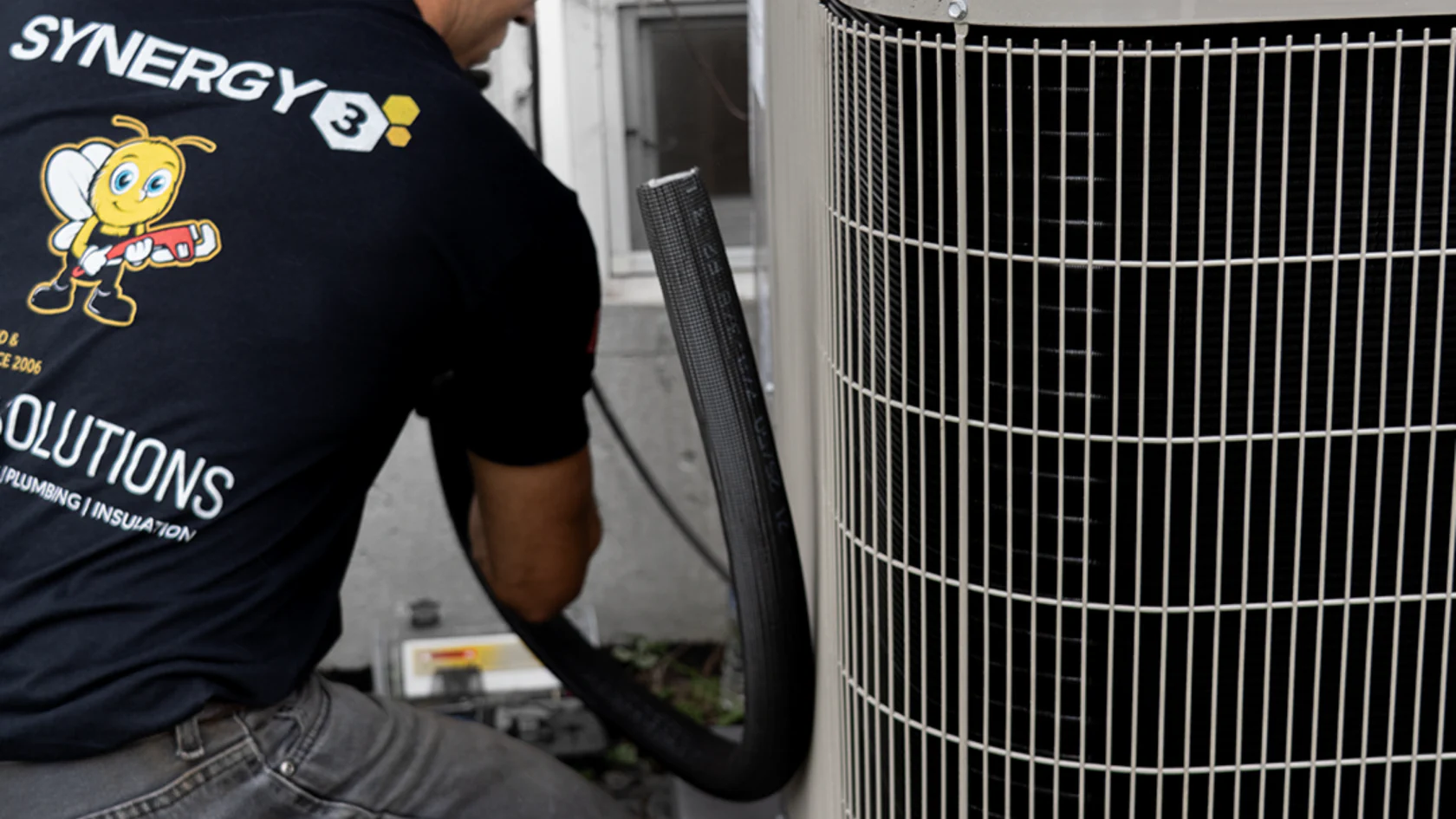
Water pooling around your indoor AC unit usually traces back to one of five causes. Here’s how to tell which one you have and what to do next.
Read More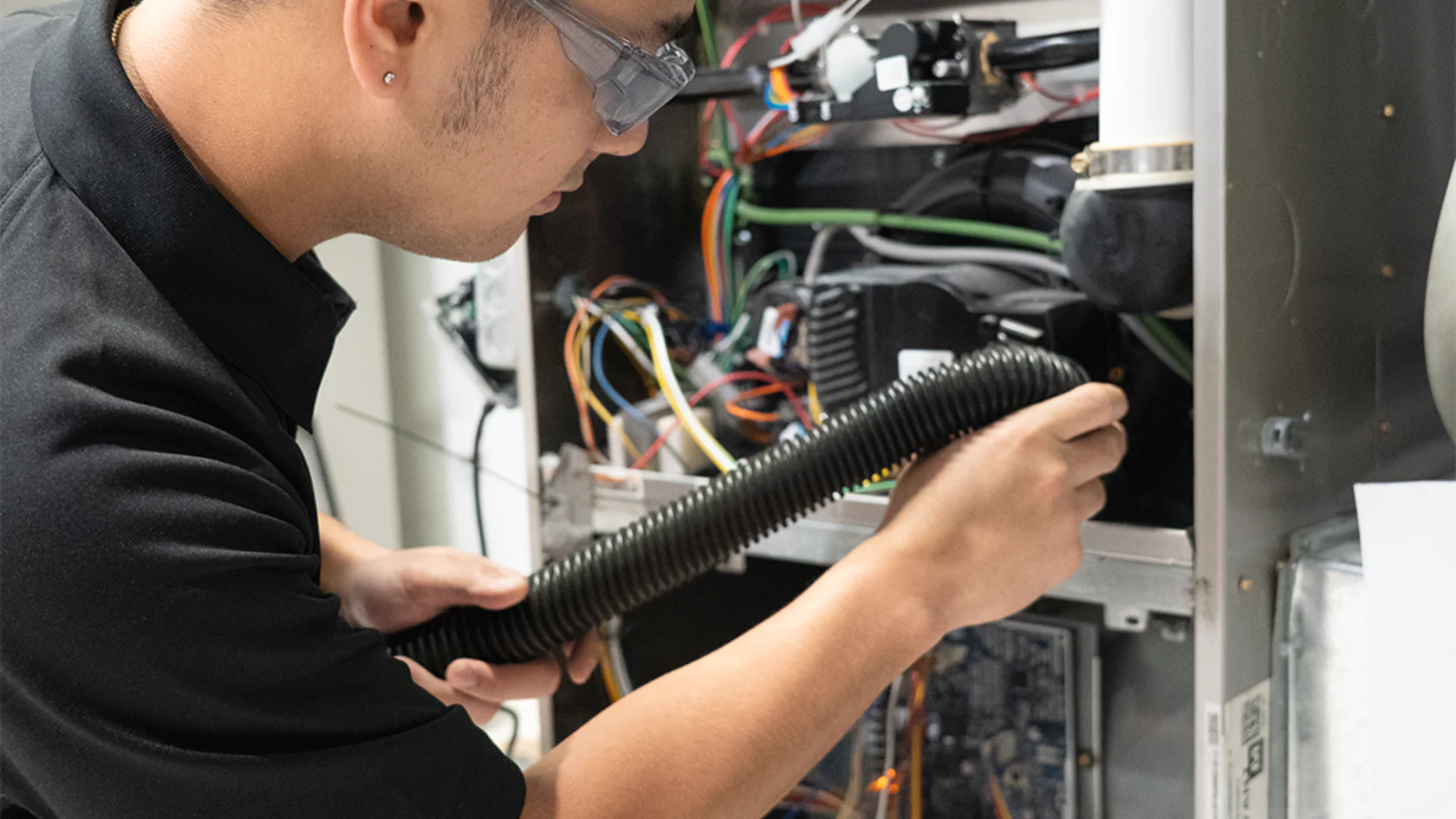
From a thermostat set to ON to a tripped safety switch, here are the six most common reasons a furnace blows cold air — and which fixes are safe to try.
Read More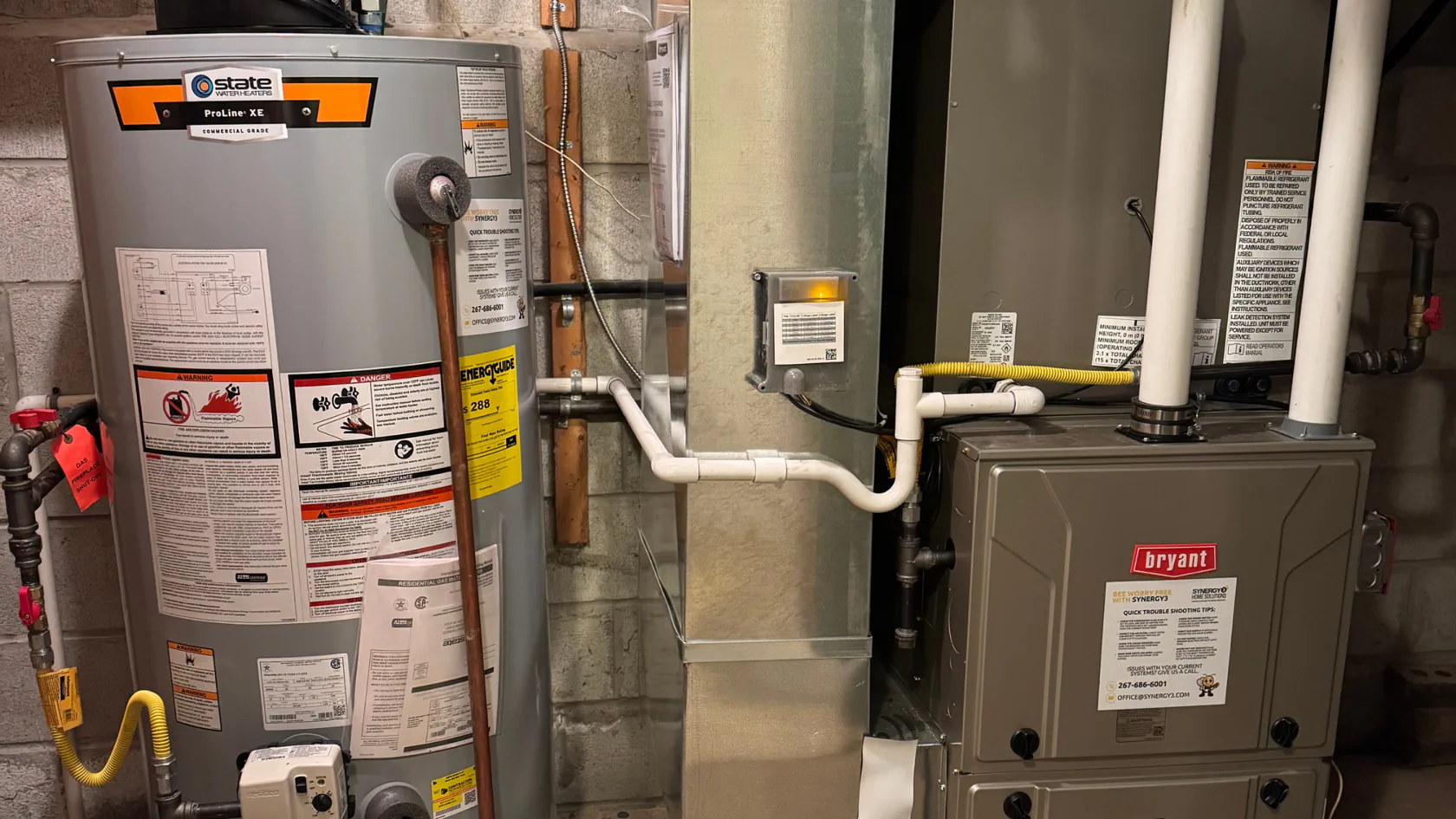
An annual flush clears out the sediment that shortens a water heater’s life. Here’s the full process, from shutting off power to refilling the tank.
Read More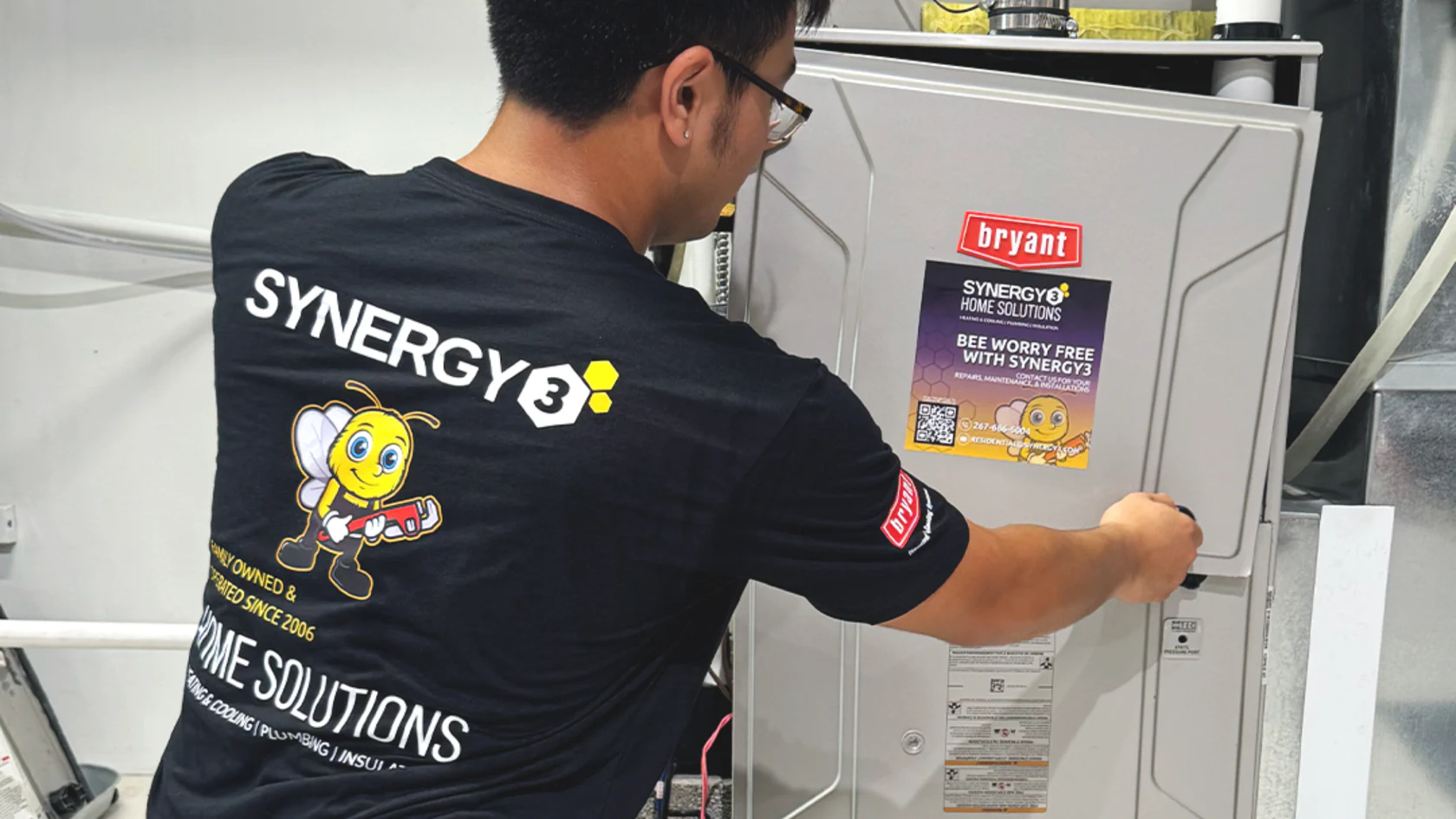
A room-by-room fall checklist that gets Philadelphia and South Jersey heating systems ready before the first cold night — most of it in one weekend.
Read More
That constant refill sound is water running onto your bill. Five quick checks inside the tank fix most running toilets — no special tools needed.
Read More
One burst pipe can flood a basement in minutes. Here’s how Delaware Valley homeowners can prevent freezes — and thaw a frozen line without making it worse.
Read More
If your home feels sticky at 72°F, your AC may be cooling without dehumidifying. Here’s what drives indoor humidity in our region and how to fix it.
Read More
A boiler rarely warns you before it fails for good. Here’s how to catch the signs early, what a new one costs, and what installation day looks like.
Read More
Moving into a new home in Princeton, West Windsor, or Plainsboro is exciting, but it also comes with a long list of systems to understand. One of the most important is your heating and cooling equipment.
Read More
Air conditioner running but not cooling? Check the filter, thermostat, breaker, outdoor unit and refrigerant signs - and know when to call a technician.
Read More
AC replacement cost explained: system size, SEER rating, ductwork and labor, plus what a rowhome retrofit adds. Rebates and financing options included.
Read More
What attic insulation costs by material and R-value in PA and NJ, what air sealing adds, and the utility rebates that can cover part of the job.
Read More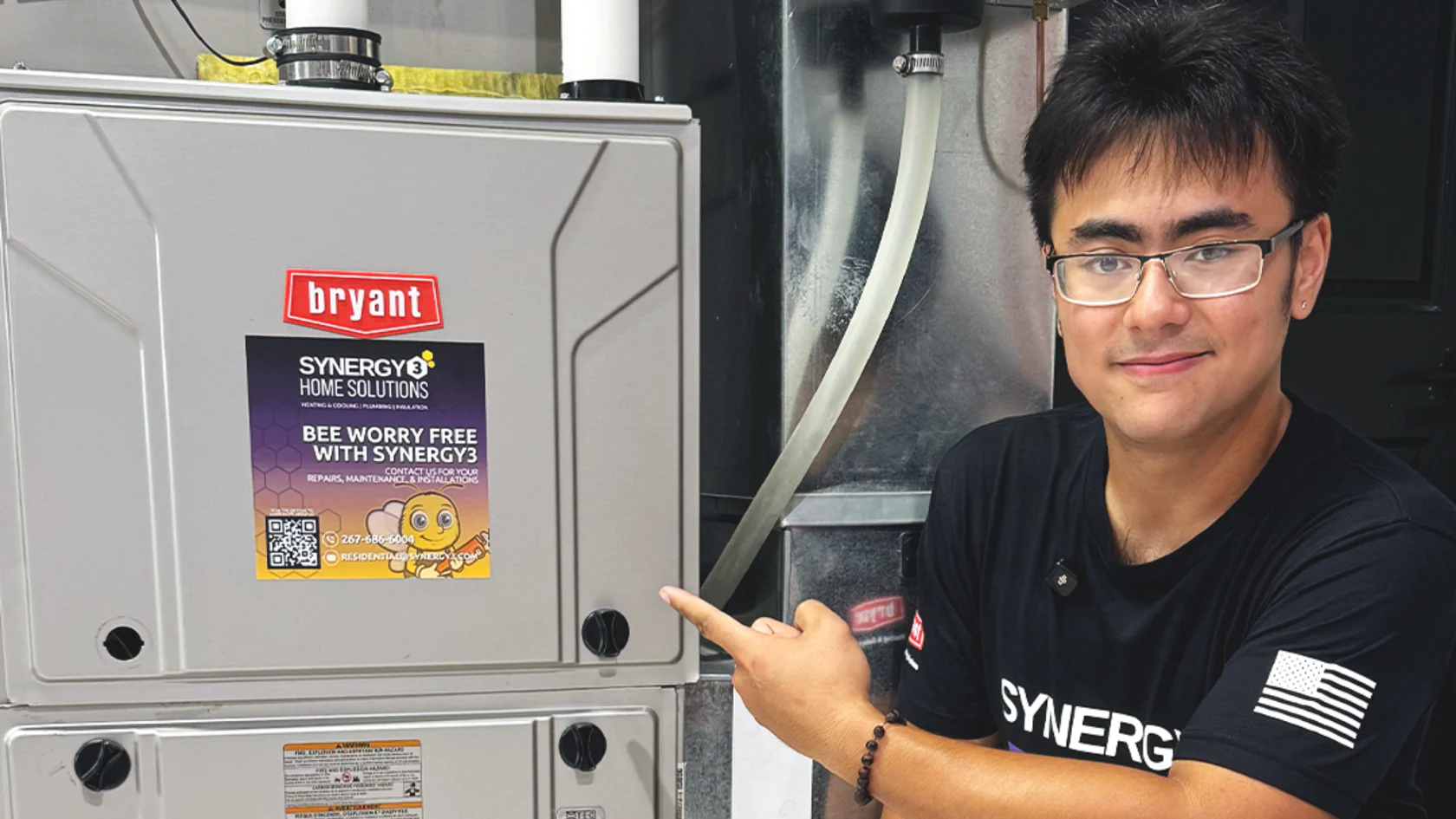
What furnace replacement costs in PA and NJ, what changes the price (size, efficiency, venting, ductwork), and which rebates and financing can offset it.
Read More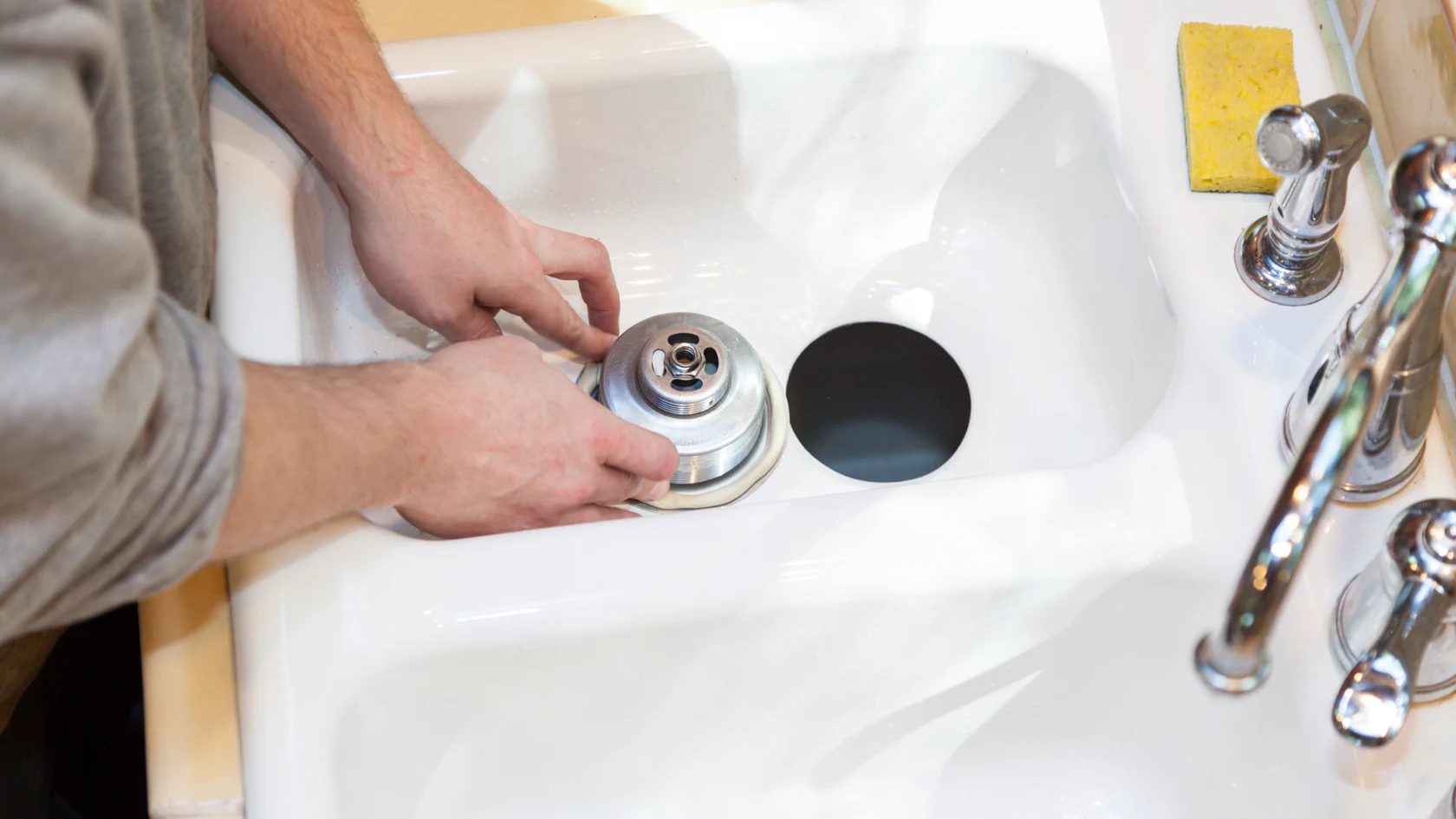
Humming, jammed or completely dead? Reset, unjam and troubleshoot a garbage disposal safely - and learn when replacement beats another repair.
Read More
What a heat pump costs to install in PA and NJ: price ranges by system type and size, what drives the quote, and the rebates and financing available.
Read More
Compare heat pumps and gas furnaces on upfront cost, running cost, comfort and rebates for Philadelphia and New Jersey homes - with a clear verdict.
Read More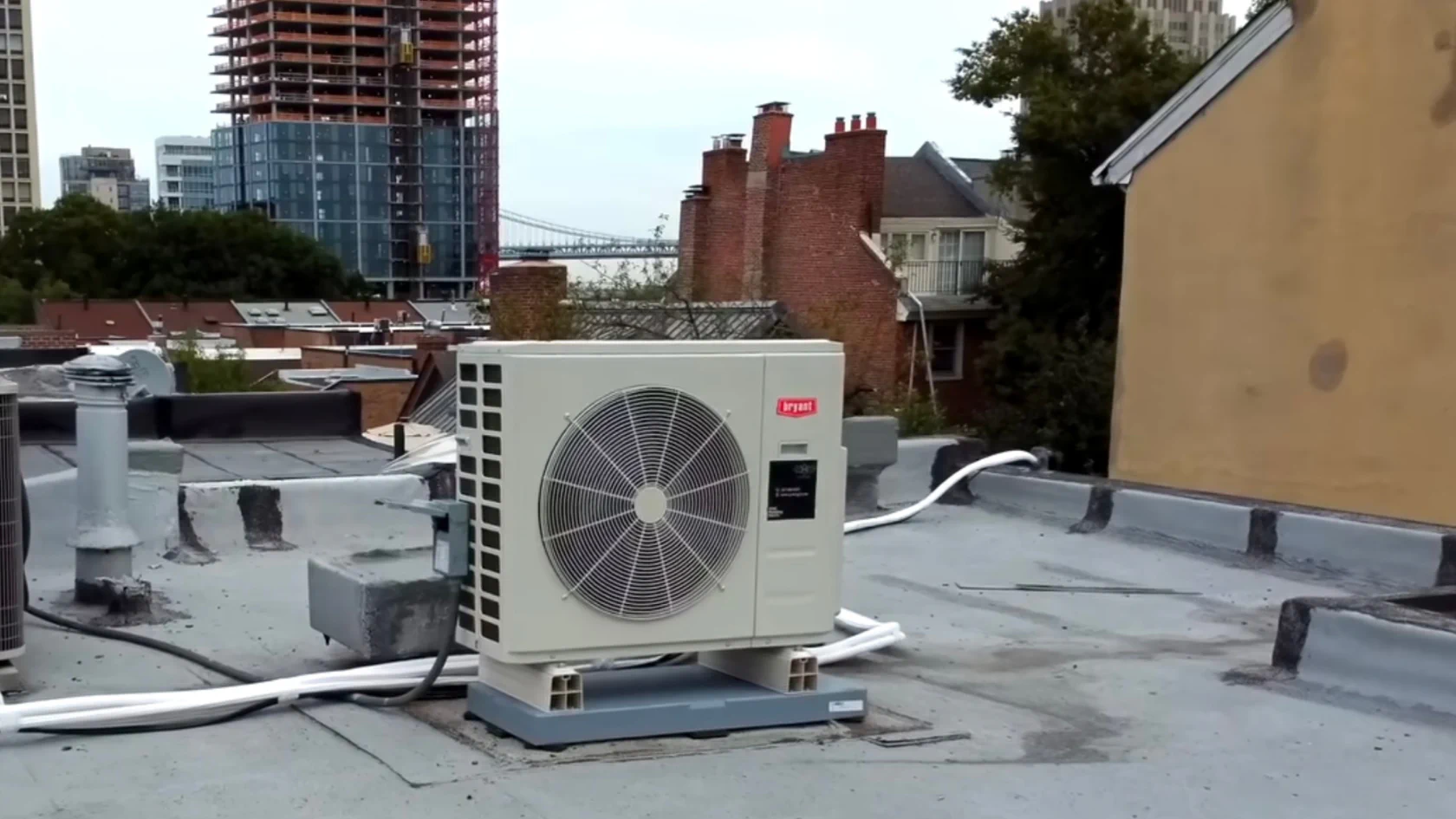
How a heat pump moves heat instead of making it, what changes in winter, and why cold-climate models keep working in Philadelphia and New Jersey.
Read More
The safe way to clean and deodorize a garbage disposal, what never to put down it, and the habits that keep your kitchen drain from clogging.
Read More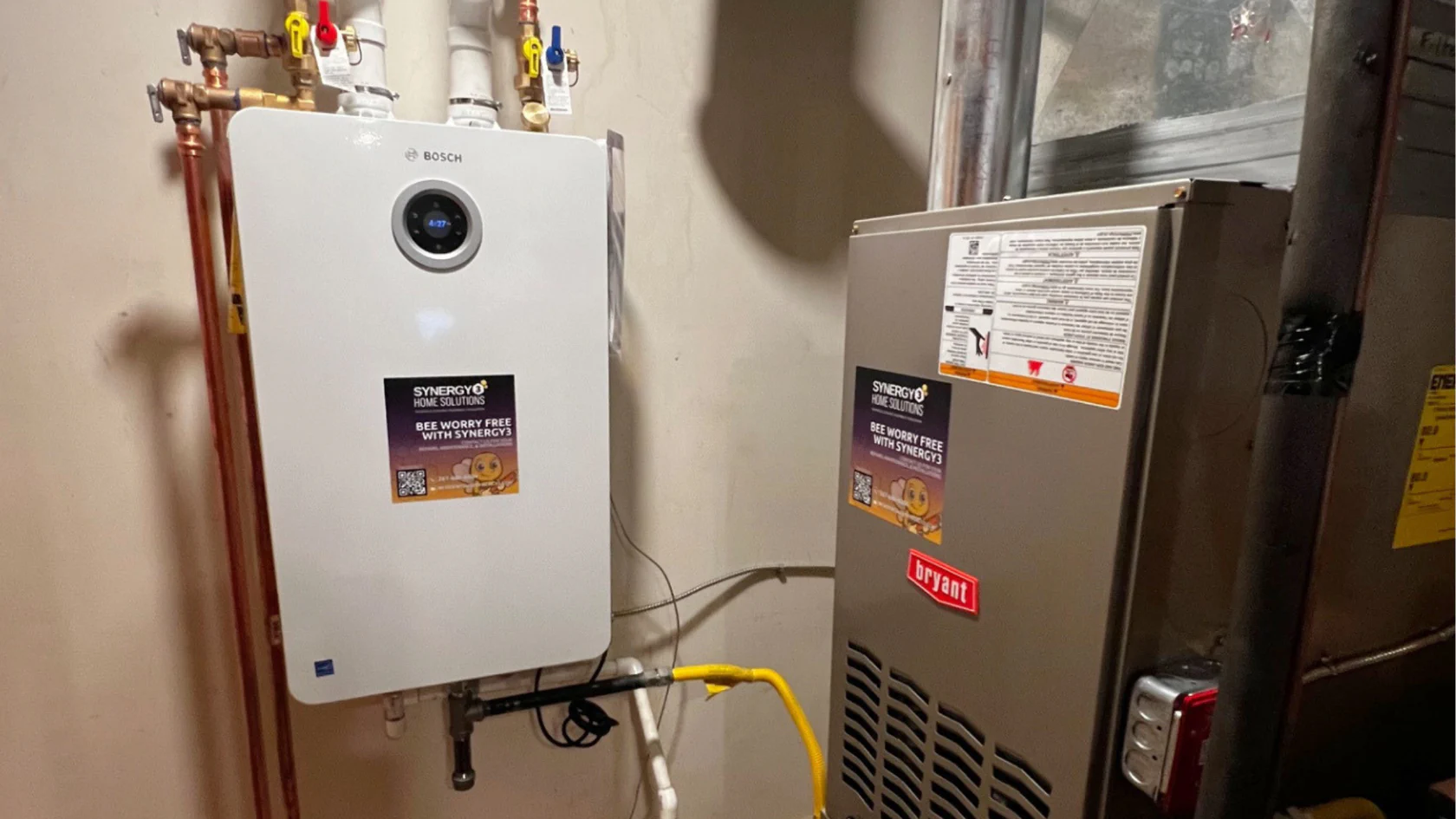
Tankless water heater costs in PA and NJ - unit, venting and gas line upgrades - plus the payback math versus a standard tank water heater.
Read More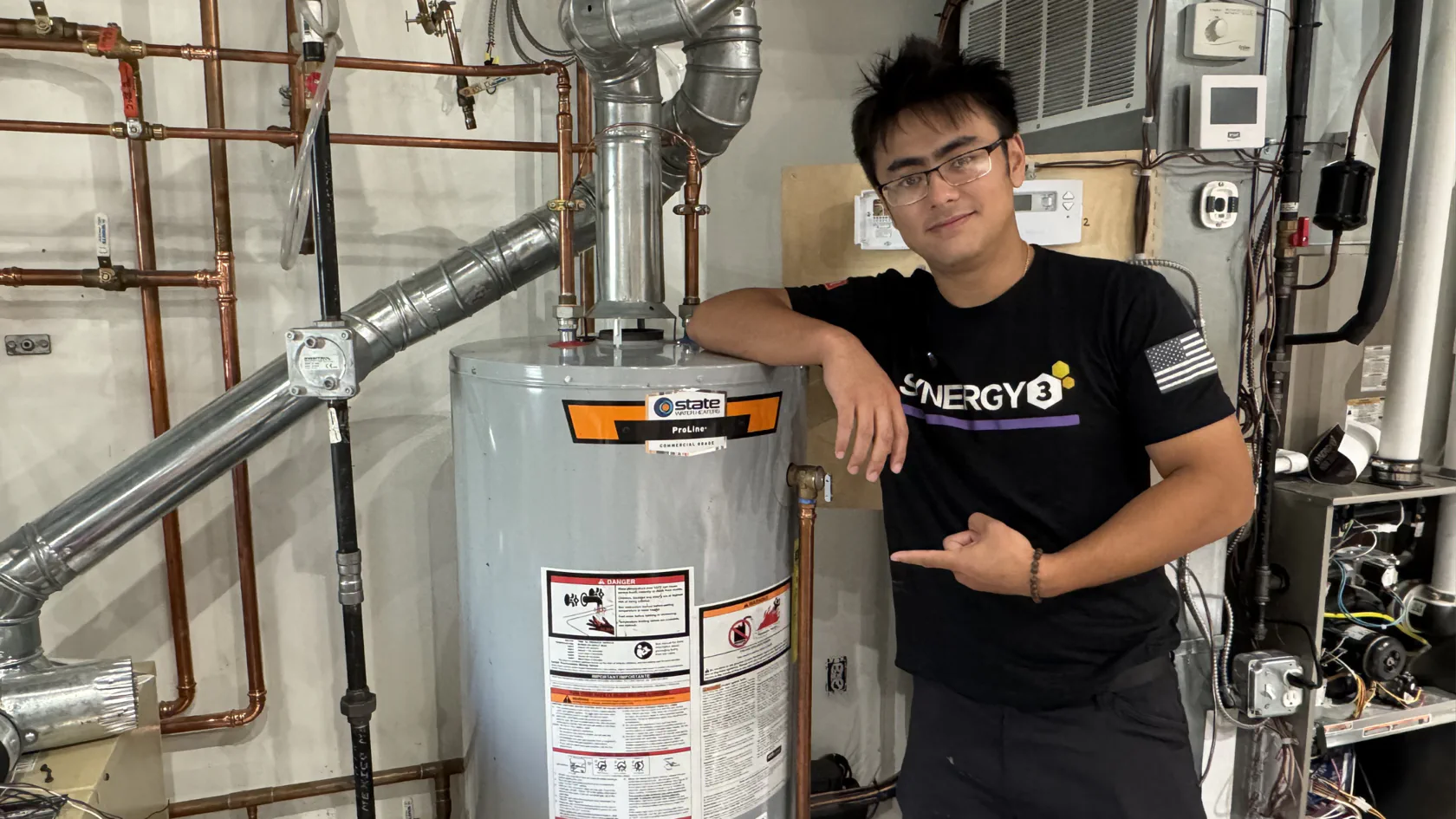
What a new water heater costs in PA and NJ: tank vs tankless, gas vs electric, permits and code upgrades, and how to keep the install price down.
Read More
A plain-English guide to heat pumps: how they heat and cool, what they cost to run, and whether one makes sense in the Philadelphia and NJ climate.
Read More