

8 minute read · Dec 26, 2025
What Does a Mini Split System Look Like Installed in a Home?
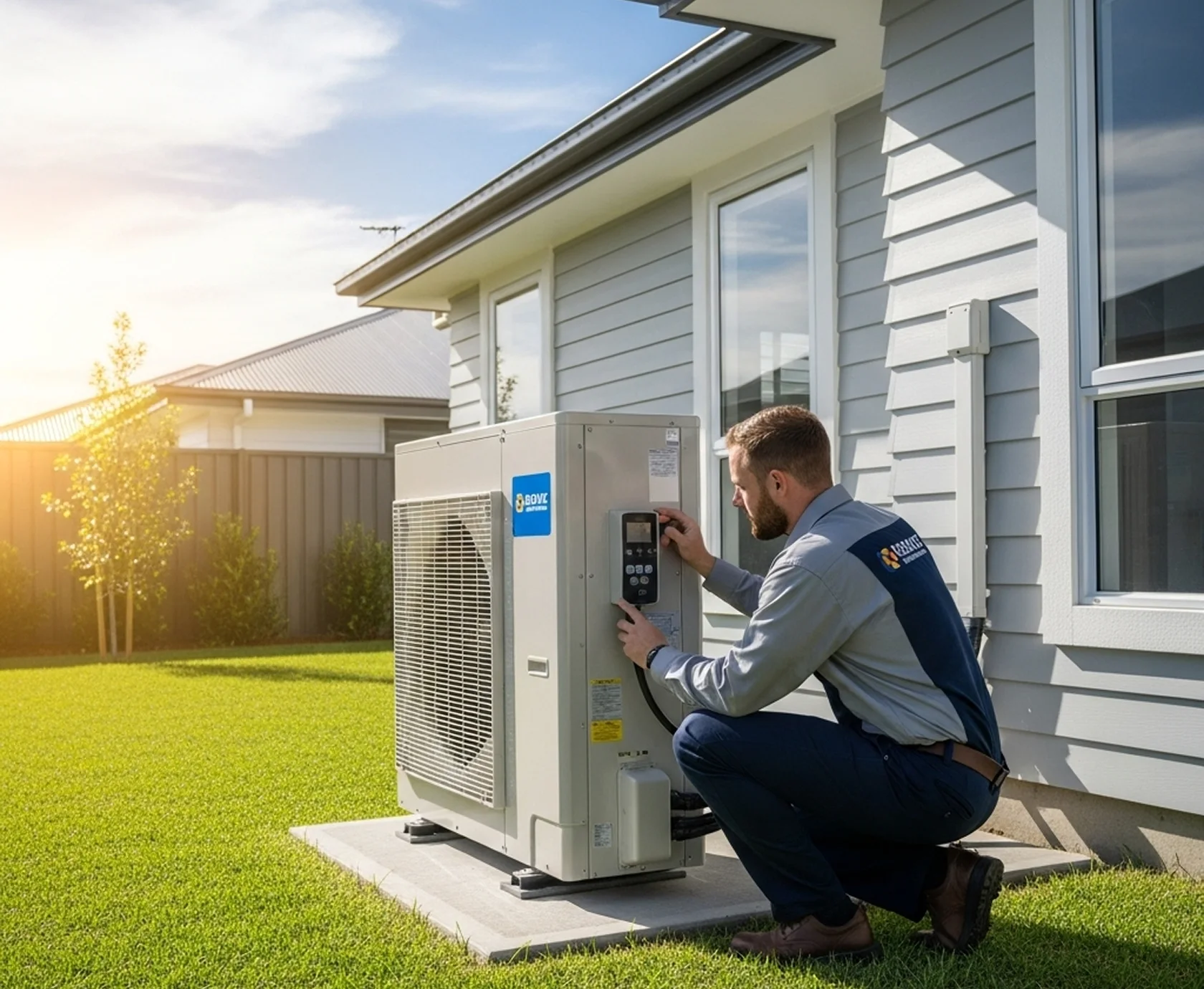
Ductless mini splits are a great way to heat and cool your home, but you may be wondering, what will it look like once it’s installed?
Read MoreDiscover practical steps to enhance the air quality in your home for a healthier and more comfortable living environment.

The starting point is a fact most people find surprising: the EPA reports that levels of some indoor pollutants are often two to five times higher than typical outdoor levels, and Americans spend roughly 90 percent of their time indoors.
The good news is that the highest-value fixes are homeowner work: removing the source, moving more fresh air through the house, and filtering what is left. The parts that need a technician - equipment installed into the duct system, combustion safety testing and ventilation design - are flagged below.
Poor indoor air quality can affect your health, comfort, and even your HVAC system's performance. Taking steps to improve it can make a big difference. The EPA's framework for doing that is simple and worth following in order: source control, then ventilation, then air cleaning. Filtration is the last line rather than the first, because it is far easier to stop a pollutant entering the air than to catch it afterwards.
Several types of pollutant show up in ordinary homes, and knowing which you are dealing with decides the strategy:
The effects range from short-term irritation - eyes, throat, headaches - to long-term risk from sustained exposure, and children and older adults feel the low-level version first. It is worth learning which sources exist in your own house, because the protection that works for one group does nothing for another.
Bad air rarely announces itself. These are the everyday signals:
Carbon monoxide alarms are not optional in a house with any gas appliance, a fireplace or an attached garage. Put one on every level, test them twice a year and replace the unit when it reaches its printed expiration date - typically seven to ten years.
Radon deserves specific attention here. Pennsylvania has some of the highest indoor radon readings in the country because of the geology under much of the state, and the EPA's action level is 4 pCi/L. A short-term test kit costs very little, results are unambiguous, and mitigation is a straightforward job for a certified contractor if a test comes back high. Testing is the only way to know - radon has no smell and no symptoms.
Everything on this page falls into one of three approaches, and it is worth being clear about what each one can and cannot do:
Use all three and the improvement is large; rely on filtration alone and the result is disappointing. It is also worth knowing the potential stakes: the American Lung Association and the EPA both link long-term exposure to indoor pollutants with respiratory disease, and radon is the second leading cause of lung cancer in the United States. Those are the reasons a healthy home is worth a few deliberate changes rather than a gadget.
Your heating and cooling system is the biggest air mover in the house, which makes it either the best tool for cleaning the air or the most efficient way to spread problems around.
Leaky ducts running through a basement, crawl space or attic pull in exactly the air you do not want - dust, insulation fibers, damp and, in the worst cases, soil gases. Sealing and insulating them is an air quality measure as much as an energy one. On the other side, whole-home equipment installed into the duct system treats all the air at once: media air cleaners far deeper than a standard filter, UV lights at the coil to keep biological growth off a surface that is wet all summer, whole-home humidifiers for dry winter air, dehumidifiers for damp basements, and fresh-air ventilators that bring in outdoor air deliberately rather than through leaks.
Moisture is the underlying issue in most of the air quality calls we take in this area. The EPA is direct about mold: control the moisture and you control the mold. An oversized air conditioner is a frequent hidden culprit, because it cools the house fast, shuts off before it has removed the humidity, and leaves a cold, clammy space that grows things.
If you notice persistent odors, allergies, or respiratory issues, consider a professional indoor air quality assessment to identify and address the source. Call sooner rather than later if you find visible mold beyond a small patch, if a carbon monoxide alarm sounds, if you smell gas, or if humidity stays out of range no matter what you do.
The work that belongs to a technician: combustion safety testing and anything inside a gas appliance, equipment installed into the duct system, duct pressure testing and sealing, refrigerant and airflow diagnosis on a system that is not dehumidifying, and ventilation design for a tightly sealed house. Our indoor air quality services page covers what we install and test. Synergy3 Home Solutions has been family-run in Philadelphia since 2006, with NATE-certified technicians and BPI-certified building crews who look at the house as a system rather than at the equipment alone.
Ductless mini splits are a great way to heat and cool your home, but you may be wondering, what will it look like once it’s installed?
Read More
Keep your heat pump running efficiently year-round with these essential maintenance tips every homeowner should know.
Read More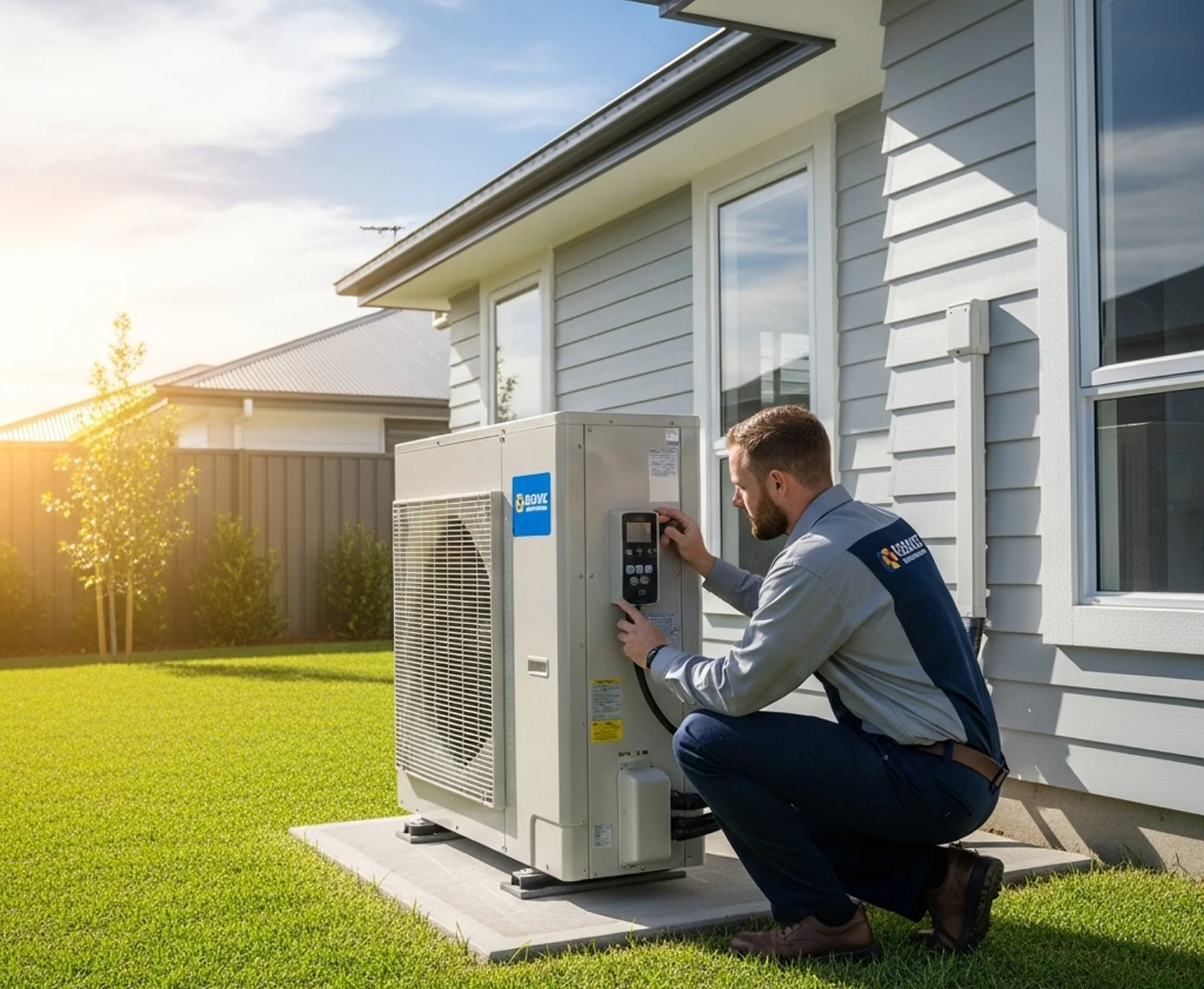
Explore the pros and cons of ductless and central HVAC systems to find the best fit for your home and lifestyle.
Read More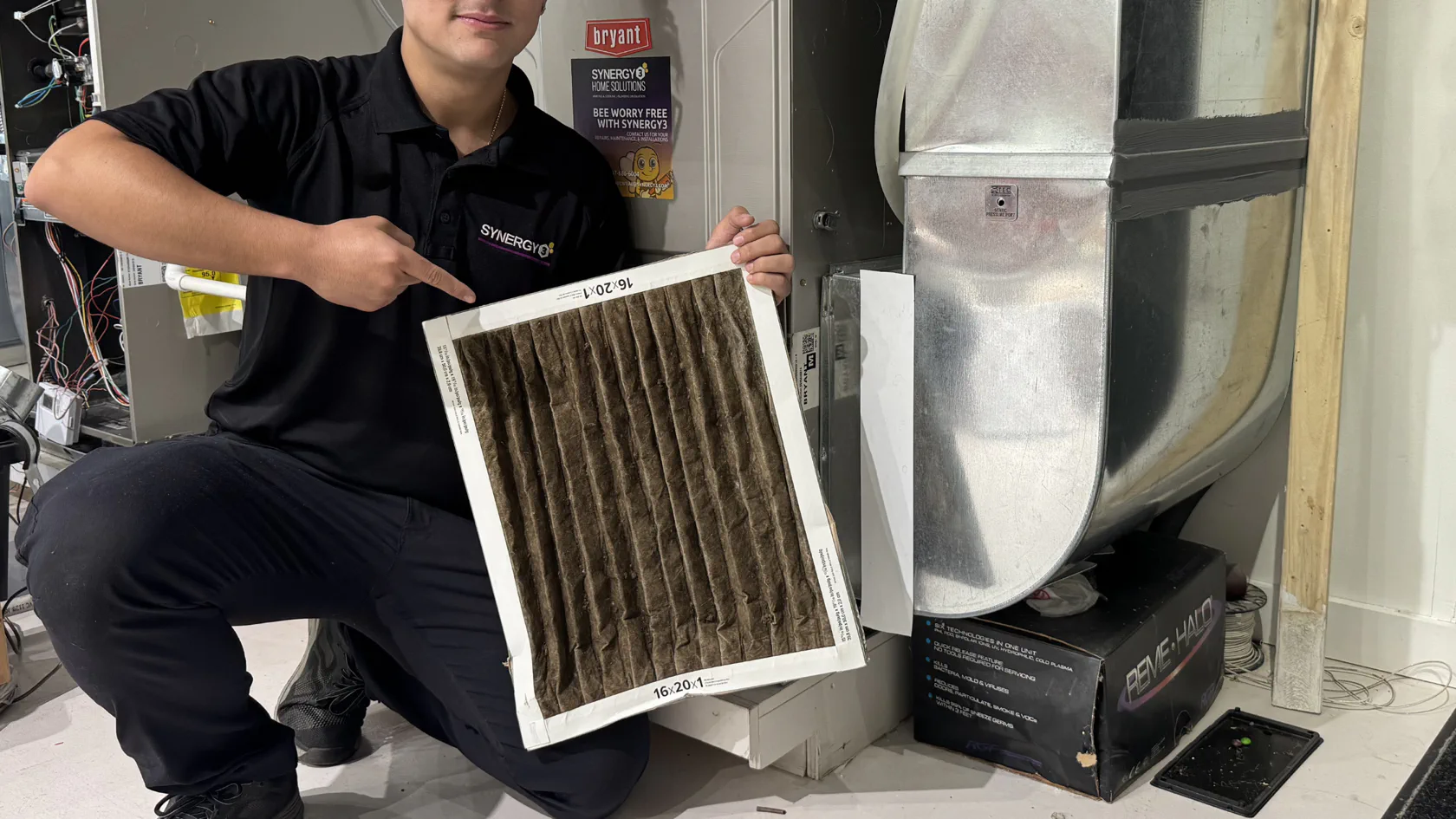
Get your HVAC system ready for every season with this comprehensive checklist to ensure optimal performance year-round.
Read More
Lower your energy bills and reduce your carbon footprint with these practical HVAC energy-saving strategies.
Read More
Find a reliable and professional HVAC contractor with these essential tips for homeowners.
Read More
A plumber-approved way to clear a clogged sink, tub, or shower drain — and the warning signs that mean it’s time to put the plunger down.
Read More
Water pooling around your indoor AC unit usually traces back to one of five causes. Here’s how to tell which one you have and what to do next.
Read More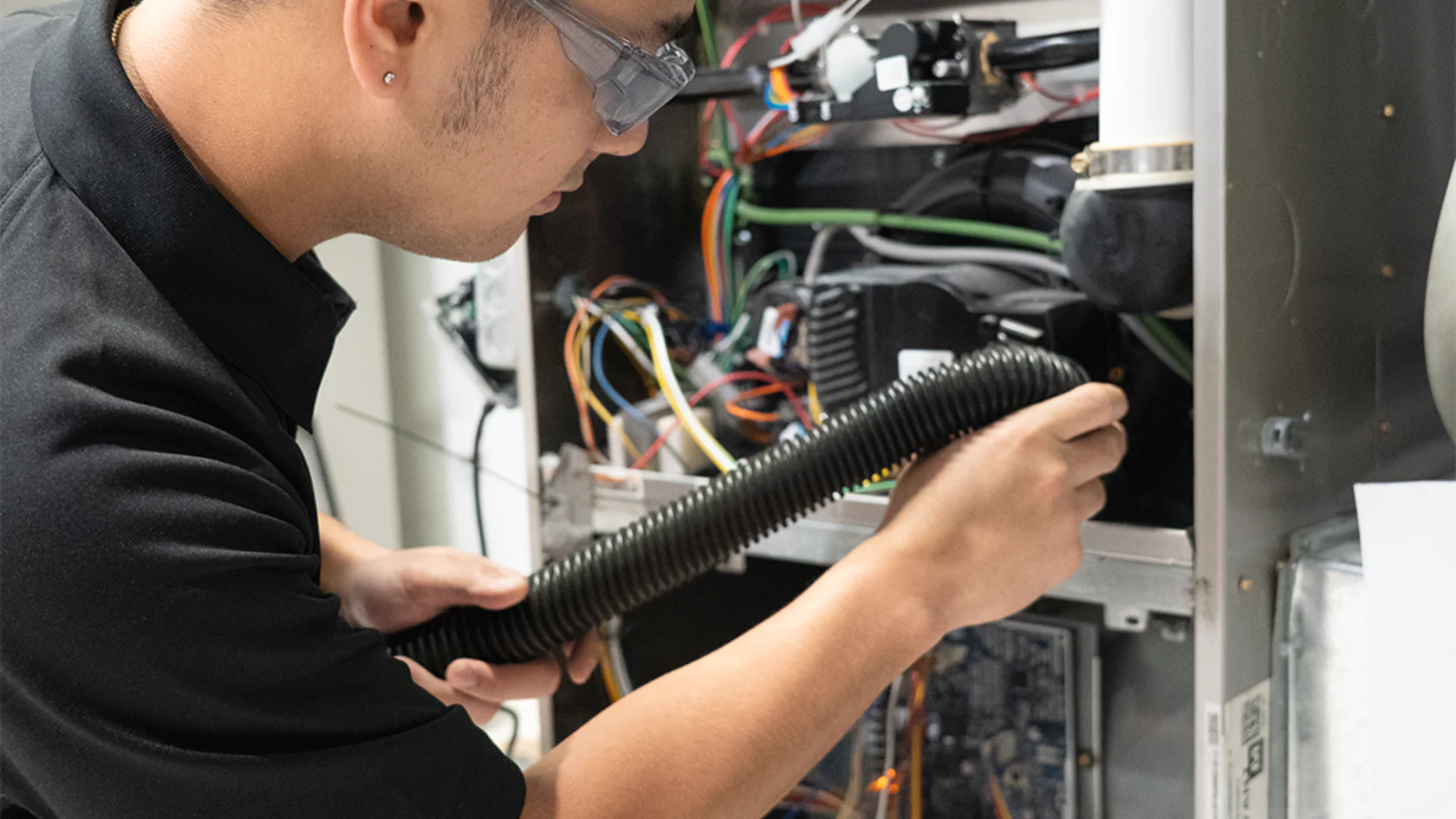
From a thermostat set to ON to a tripped safety switch, here are the six most common reasons a furnace blows cold air — and which fixes are safe to try.
Read More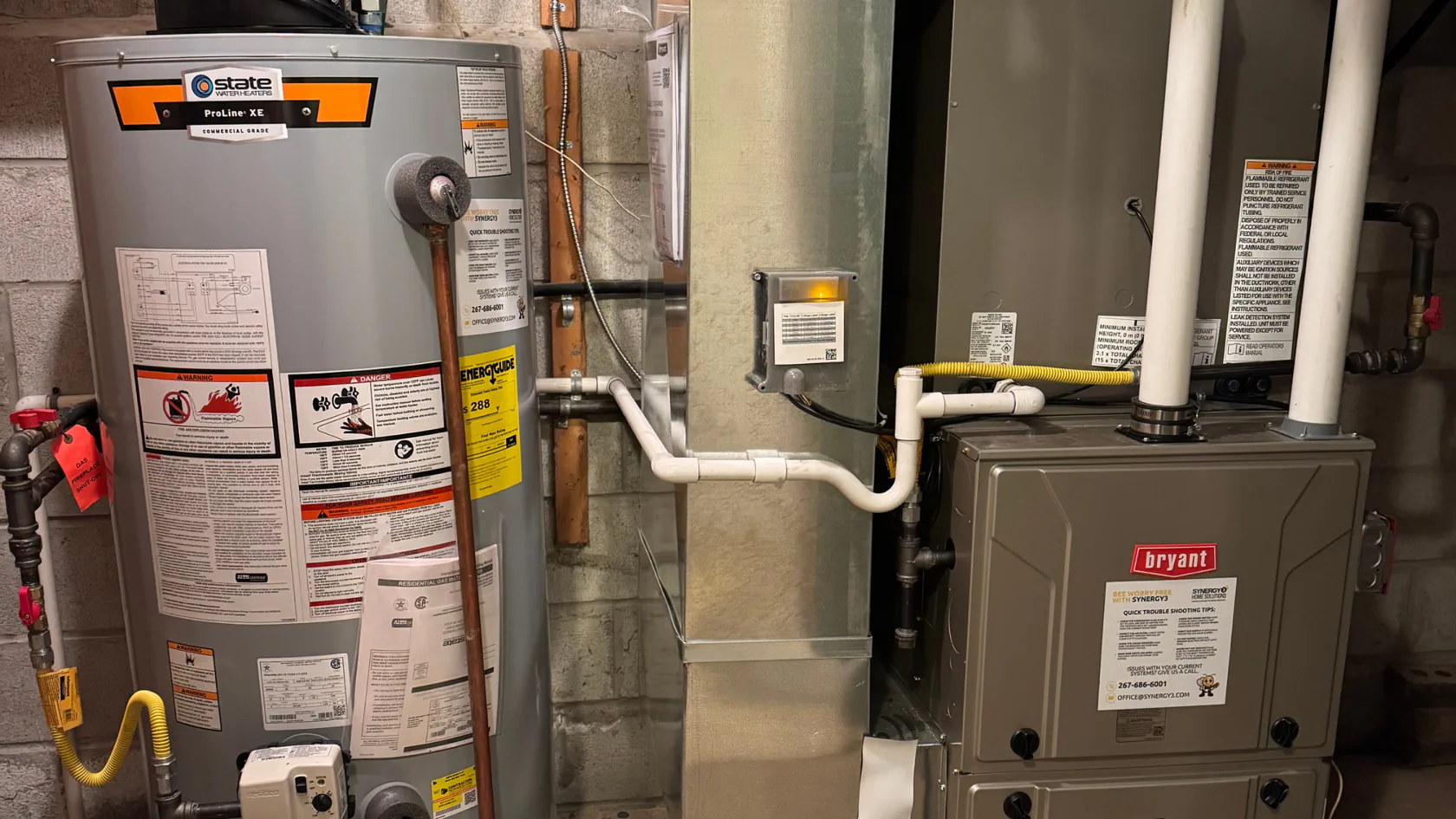
An annual flush clears out the sediment that shortens a water heater’s life. Here’s the full process, from shutting off power to refilling the tank.
Read More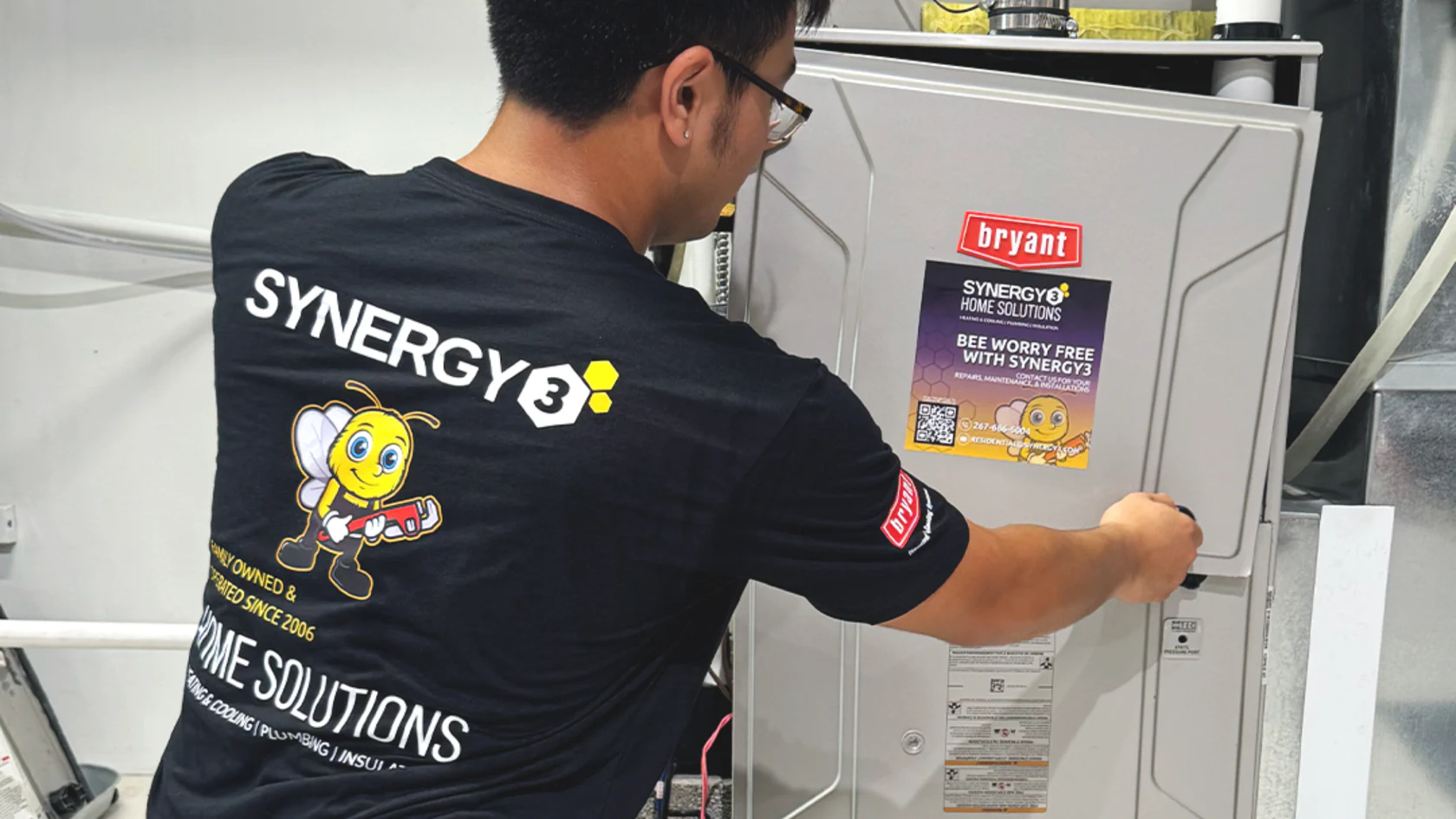
A room-by-room fall checklist that gets Philadelphia and South Jersey heating systems ready before the first cold night — most of it in one weekend.
Read More
That constant refill sound is water running onto your bill. Five quick checks inside the tank fix most running toilets — no special tools needed.
Read More
One burst pipe can flood a basement in minutes. Here’s how Delaware Valley homeowners can prevent freezes — and thaw a frozen line without making it worse.
Read More
If your home feels sticky at 72°F, your AC may be cooling without dehumidifying. Here’s what drives indoor humidity in our region and how to fix it.
Read More
A boiler rarely warns you before it fails for good. Here’s how to catch the signs early, what a new one costs, and what installation day looks like.
Read More
Moving into a new home in Princeton, West Windsor, or Plainsboro is exciting, but it also comes with a long list of systems to understand. One of the most important is your heating and cooling equipment.
Read More
Air conditioner running but not cooling? Check the filter, thermostat, breaker, outdoor unit and refrigerant signs - and know when to call a technician.
Read More
AC replacement cost explained: system size, SEER rating, ductwork and labor, plus what a rowhome retrofit adds. Rebates and financing options included.
Read More
What attic insulation costs by material and R-value in PA and NJ, what air sealing adds, and the utility rebates that can cover part of the job.
Read More
What furnace replacement costs in PA and NJ, what changes the price (size, efficiency, venting, ductwork), and which rebates and financing can offset it.
Read More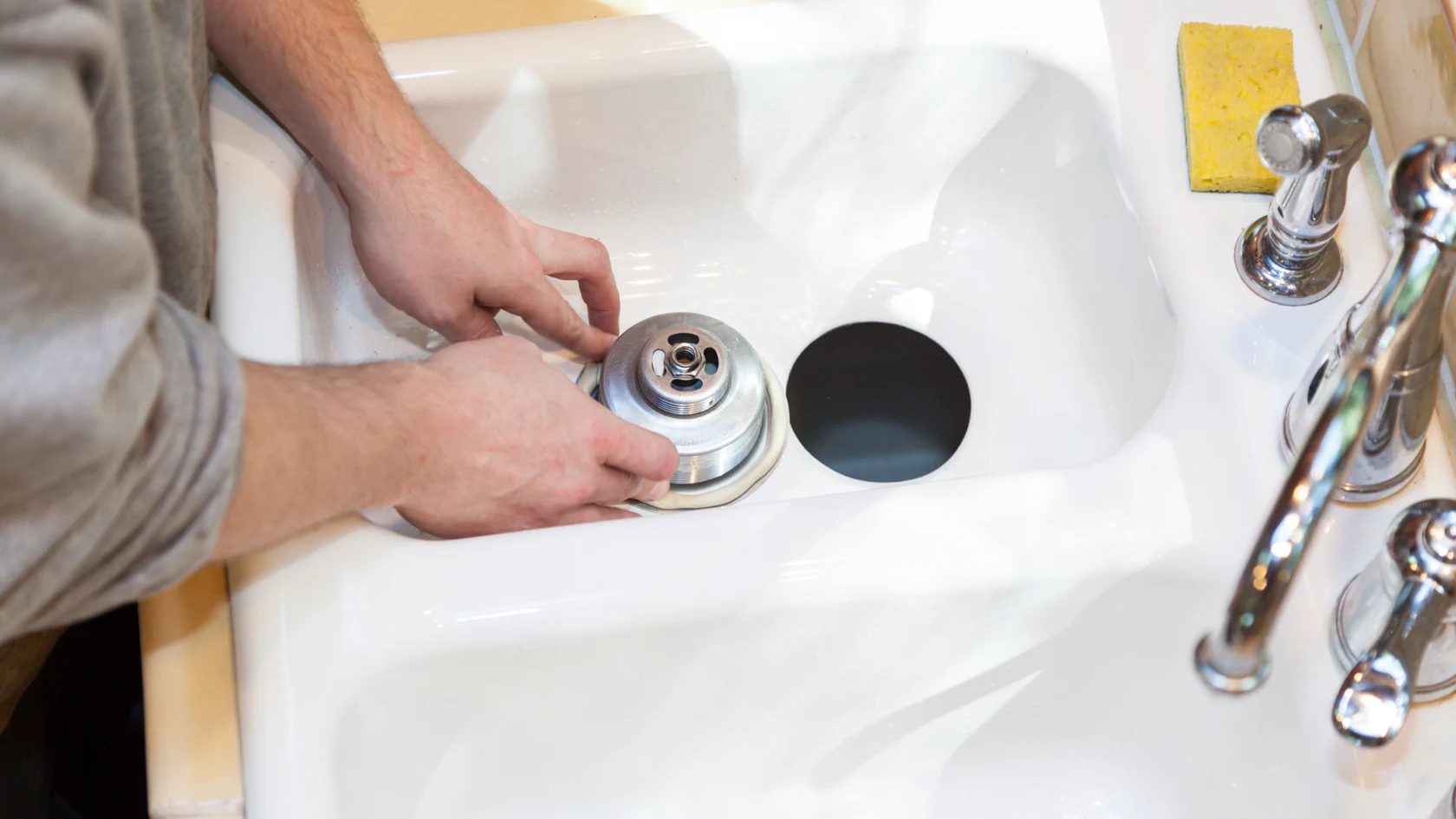
Humming, jammed or completely dead? Reset, unjam and troubleshoot a garbage disposal safely - and learn when replacement beats another repair.
Read More
What a heat pump costs to install in PA and NJ: price ranges by system type and size, what drives the quote, and the rebates and financing available.
Read More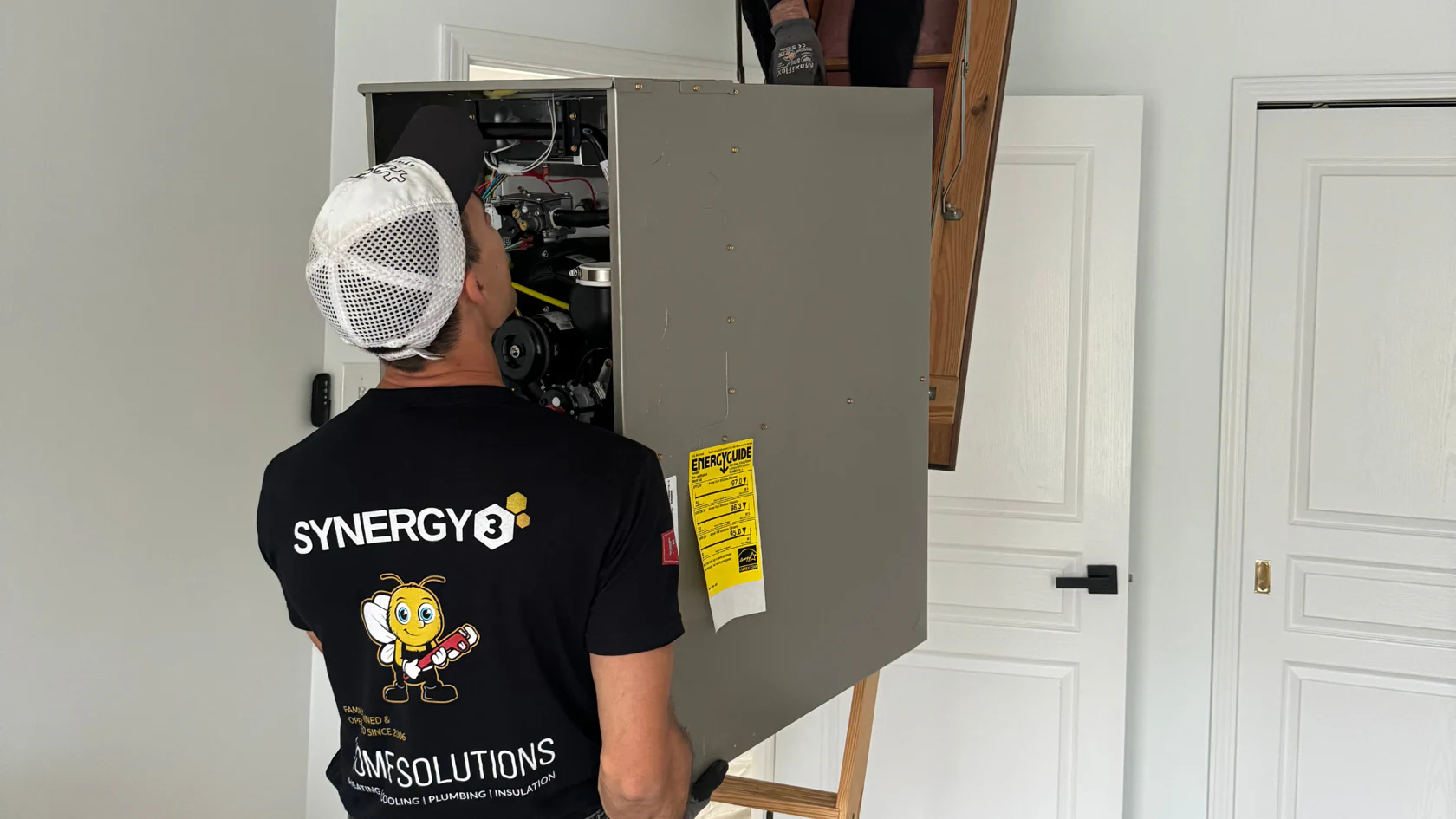
Compare heat pumps and gas furnaces on upfront cost, running cost, comfort and rebates for Philadelphia and New Jersey homes - with a clear verdict.
Read More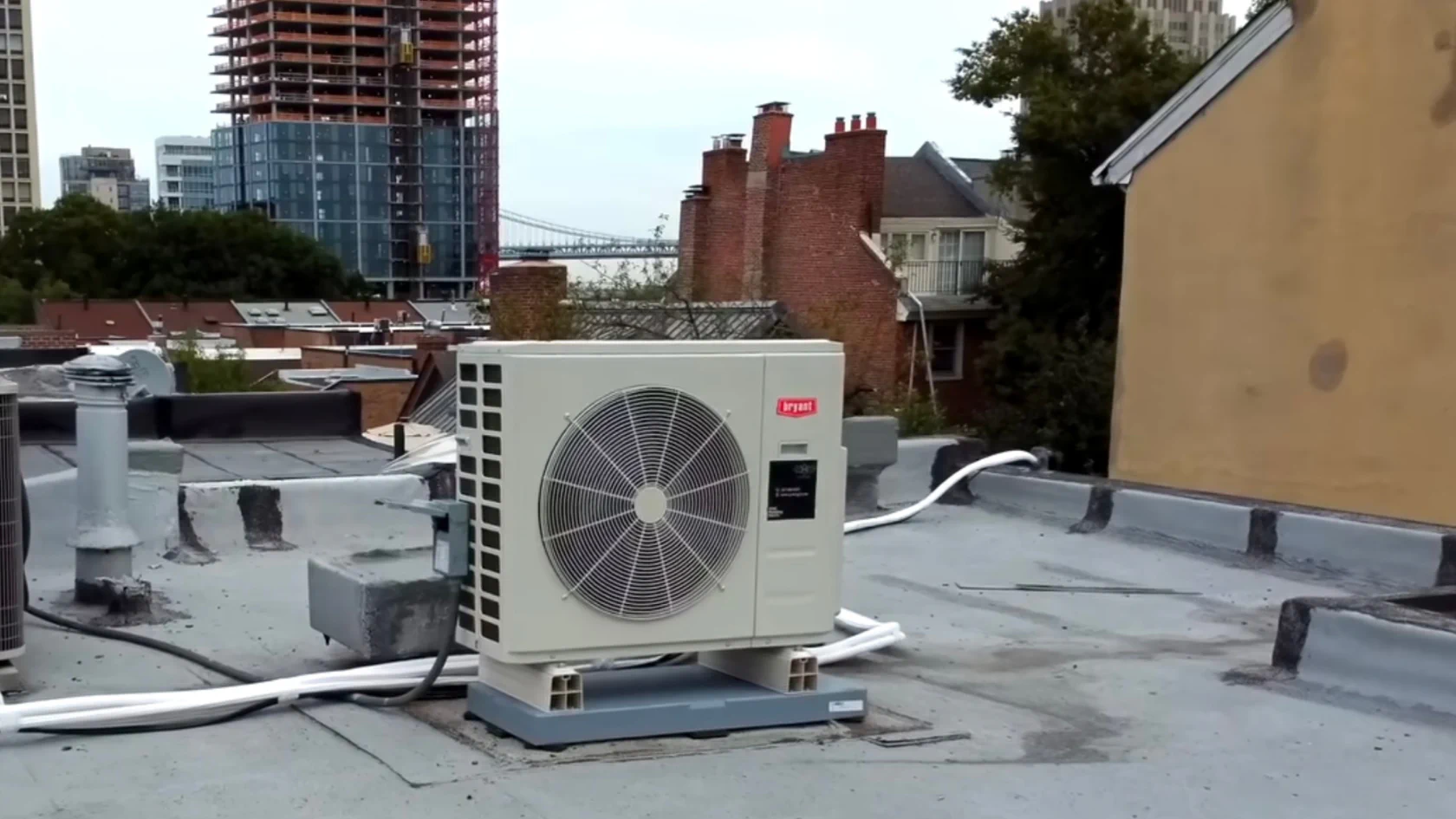
How a heat pump moves heat instead of making it, what changes in winter, and why cold-climate models keep working in Philadelphia and New Jersey.
Read More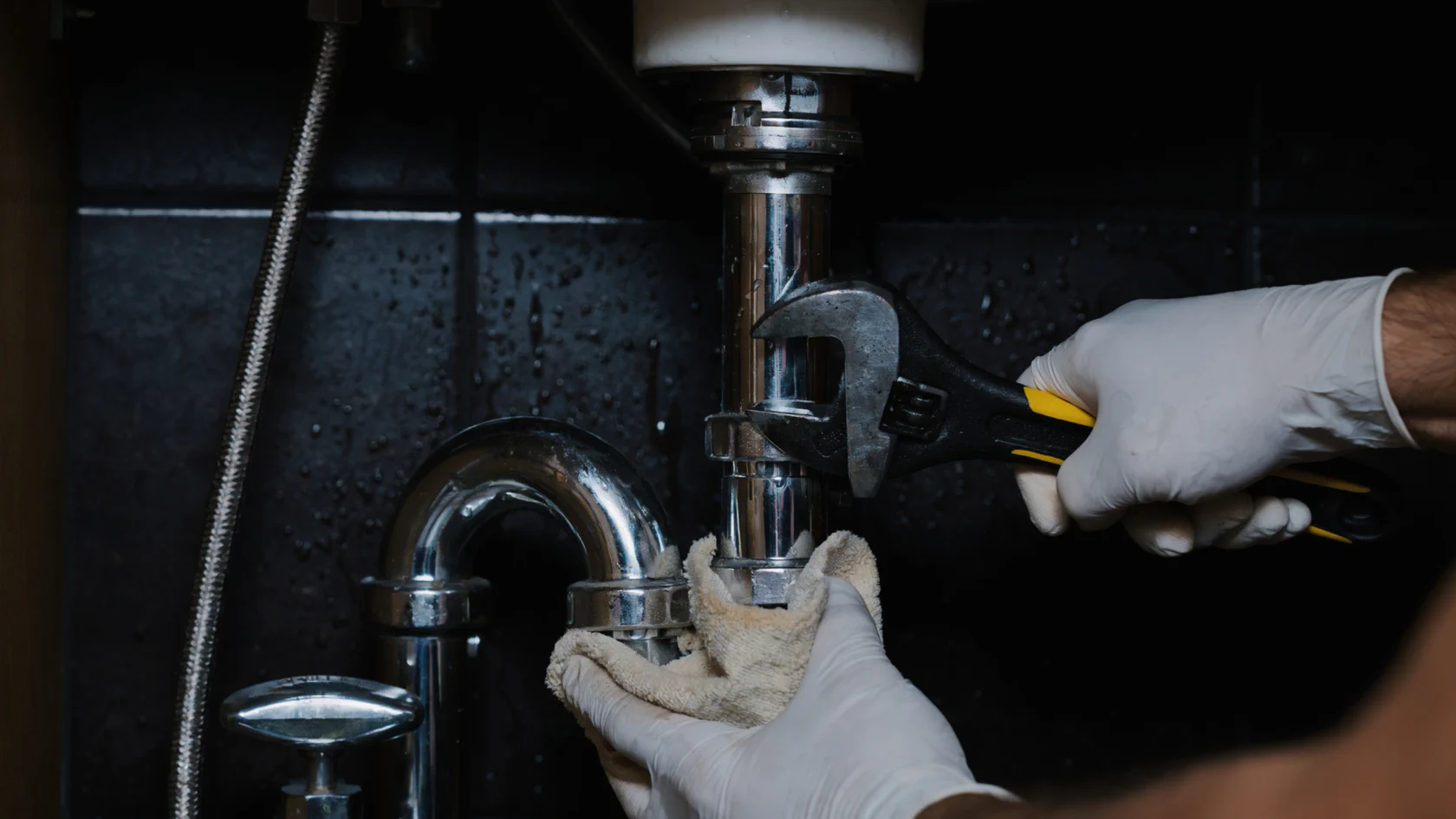
The safe way to clean and deodorize a garbage disposal, what never to put down it, and the habits that keep your kitchen drain from clogging.
Read More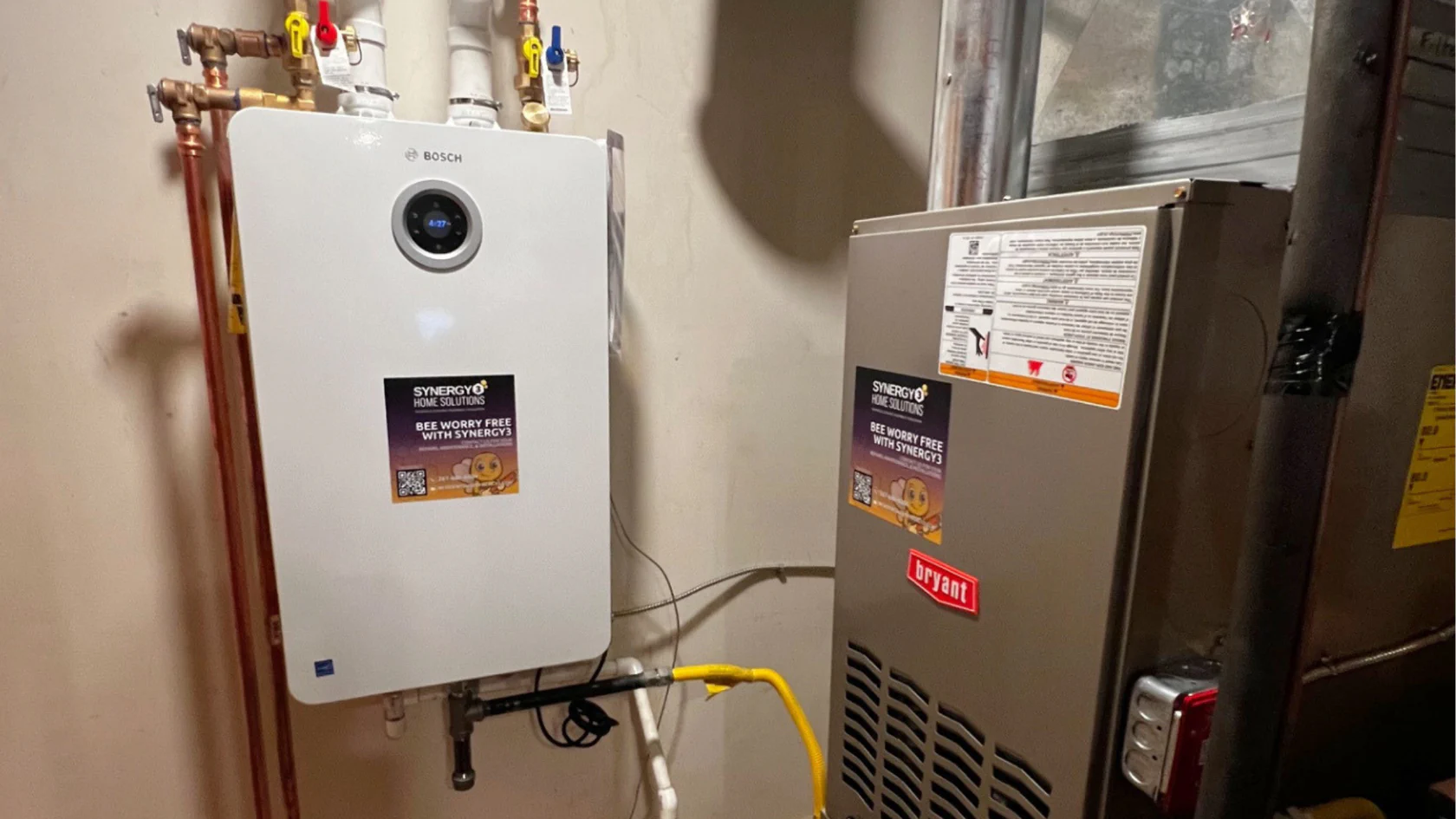
Tankless water heater costs in PA and NJ - unit, venting and gas line upgrades - plus the payback math versus a standard tank water heater.
Read More
What a new water heater costs in PA and NJ: tank vs tankless, gas vs electric, permits and code upgrades, and how to keep the install price down.
Read More
A plain-English guide to heat pumps: how they heat and cool, what they cost to run, and whether one makes sense in the Philadelphia and NJ climate.
Read More