
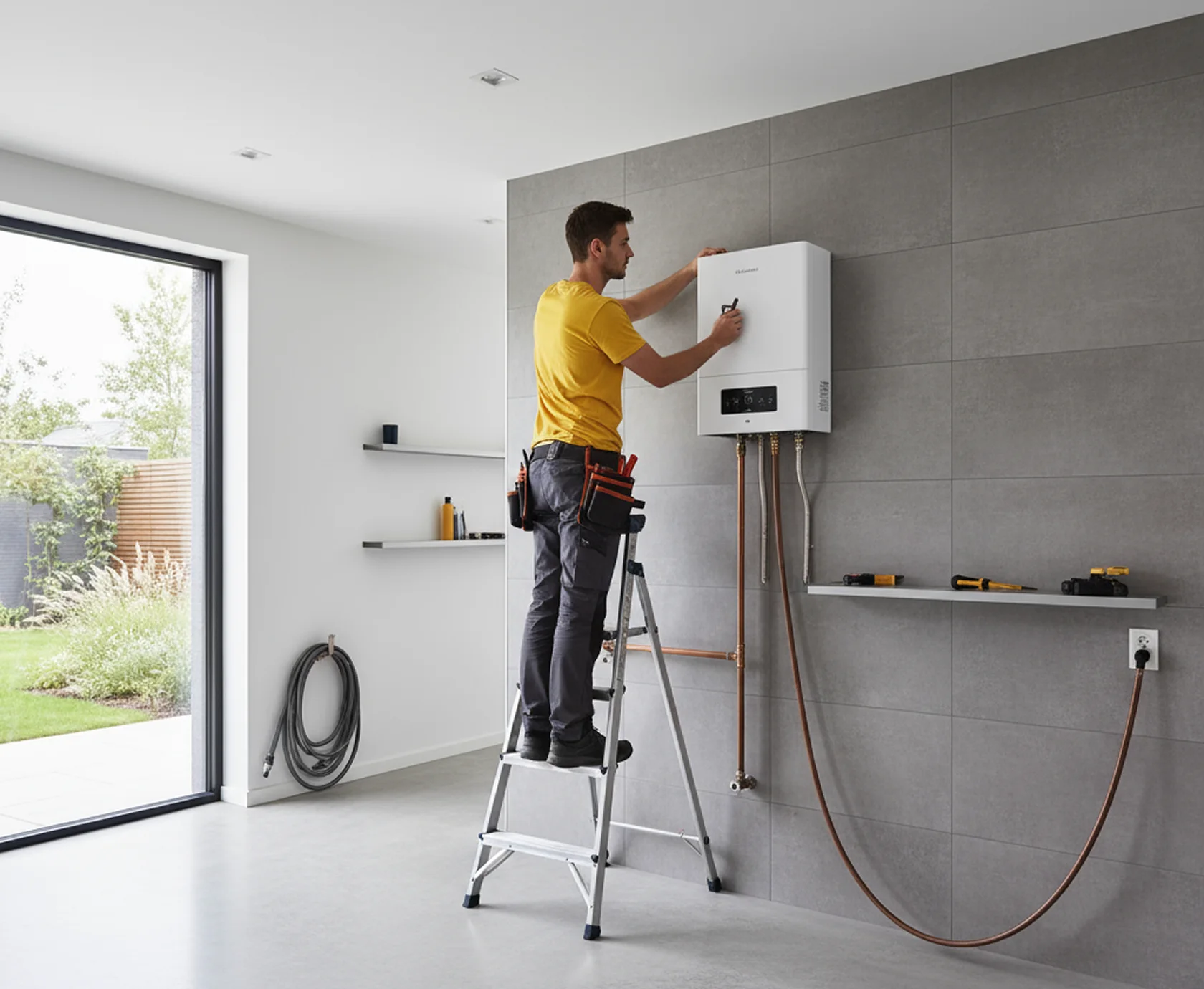
6 minute read · Jan 10, 2026
Essential Heat Pump Maintenance Tips for Homeowners
Keep your heat pump running efficiently year-round with these essential maintenance tips every homeowner should know.
Read MoreDuctless mini splits are a great way to heat and cool your home, but you may be wondering, what will it look like once it’s installed?

A ductless mini split is a heating and cooling system made of one outdoor unit connected by a small bundle of refrigerant lines to one or more indoor air handlers mounted inside the rooms it serves. There are no ducts: each indoor head conditions its own space and has its own temperature setting, and the only hole through the wall is about three inches across.
This guide walks through the parts, how the system works, what the finished installation actually looks like in a house, and where it does and does not fit.
A mini split is a heat pump, which means it moves heat rather than creating it. That single idea explains both the summer and the winter behavior.
In cooling mode, refrigerant inside the indoor head absorbs heat from the room air blowing across the coil. The room gets cooler because its heat has been handed to the refrigerant, not because cold has been added.
The outdoor unit compresses that refrigerant, which concentrates the heat and raises its temperature above the outdoor air temperature - the step that makes the next one possible.
Air blowing across the outdoor coil carries the heat away into the yard. The refrigerant, now cooler, expands and returns to the indoor head to pick up more.
A reversing valve swaps the roles of the two coils. The outdoor unit extracts heat from cold outdoor air - there is usable heat in air well below freezing - and the indoor head releases it into the room.
Mini splits use inverter compressors, which run slowly and continuously at part load rather than switching between full output and off. That is why they hold a steady temperature, run quietly, and use less power in the mild conditions that make up most of the year.
The ductless unit starts outside with the heat pump. This is a condenser that conducts the heat transfer, and pushes the conditioned air to the indoor air handlers inside. It attaches to the lineset that runs to the handlers. Each heat pump can run to several different indoor units, and it's tucked neatly against your wall outside.
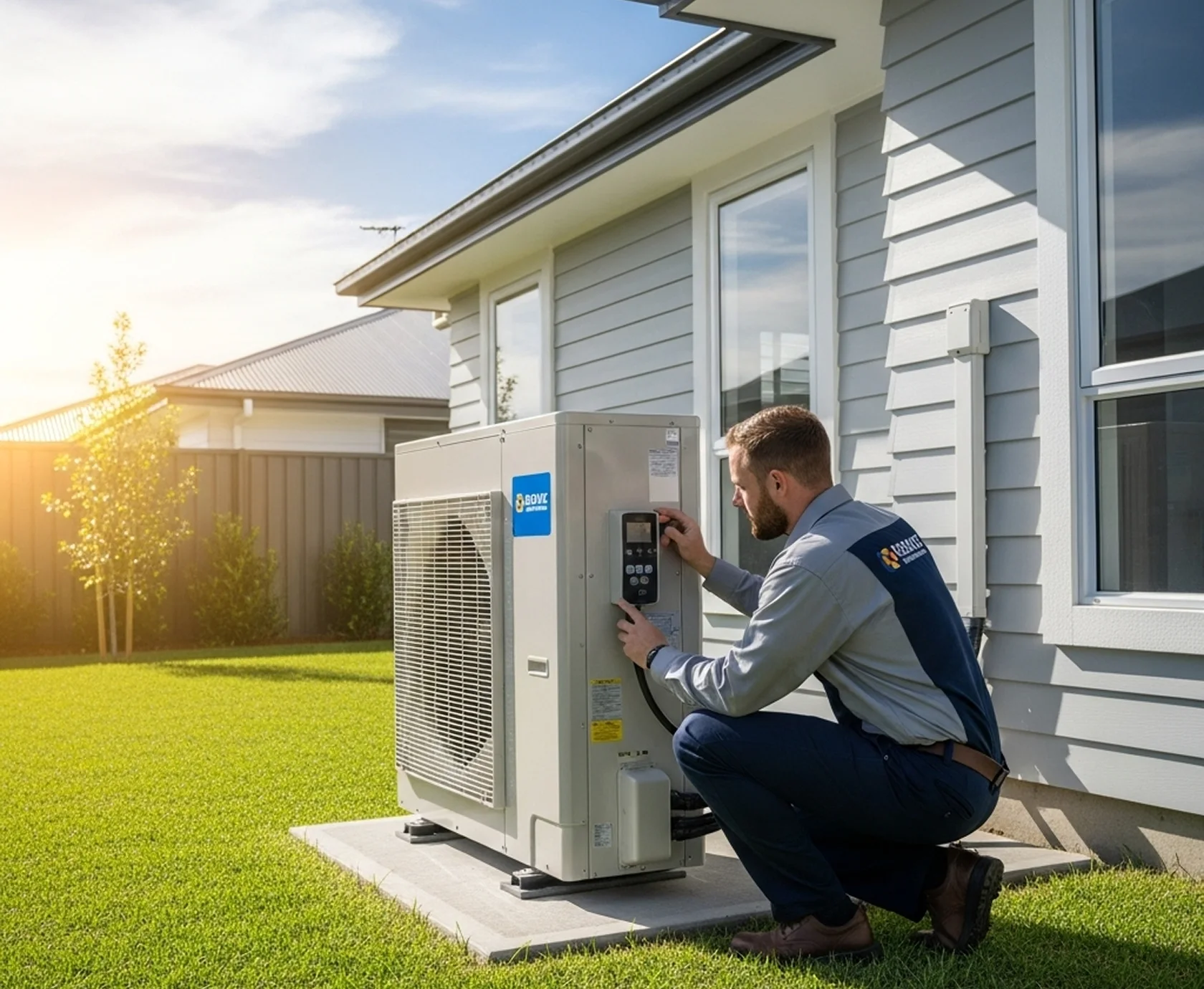
Depending on how many air handlers you have inside, you may need more than one condenser, but usually you need no more than 2. A traditional AC system has a pretty large heat pump outside that takes up a decent amount of space, where a ductless system takes up much less, and is far quieter as well. It sits on a ground pad, on wall brackets, or on a stand that lifts it above snow level, which matters in this region because the unit runs through the winter.
The more familiar part of the ductless system is the air handler. This is the unit that's inside your home, doing all the cooling. These aren't very big, usually a few feet wide, and about 12-18 inches vertically.
It's a box that typically hangs high on the wall, out of the way. You've probably been in homes and restaurants that have them and haven't even noticed. The air handler is what blows the cooled or heated air into your home.
These air handlers come in different colors and sizes like we mentioned before, which makes it easier to blend into your home décor. It's not a metal box mounted onto your wall. It's usually white or black plastic, but we've even seen someone with a brown wooden aesthetic.
The lineset is the bundle that ties the two together: two insulated copper refrigerant lines, the control wiring and a condensate drain line, all running from the outdoor unit to each indoor head through a three-inch penetration in the wall. Inside the house it is usually hidden in a wall cavity, a closet or a soffit. Outside, where it runs down the wall, it is covered by a slim plastic line-hide channel that can be painted to match the siding - the difference between a neat installation and an obvious one is almost entirely in how that run is planned.
A single-zone system pairs one outdoor unit with one head, which is the usual answer for an addition, a converted attic or one room that is never comfortable. A multi-zone system runs several heads - commonly two to five - off one outdoor unit, each with its own remote and setpoint.
The most common and least expensive option, mounted high on an exterior or interior wall. Best throw across an open room, easiest service access.
Recessed into the ceiling with only a flat grille showing, blowing in two or four directions. The tidiest option visually, and the most practical for a square room with no good wall. Needs space above the ceiling.
Sit low against the wall like a radiator. Useful in rooms with sloped ceilings, knee walls or large windows, and in older homes where people expect heat to come from floor level.
A compact air handler hidden in a closet, attic or soffit that feeds two or three rooms through short duct runs. This is how a ductless system serves a hallway of small bedrooms without a head in each one.
| Advantages | Drawbacks |
|---|---|
| No ductwork, so no duct losses - ENERGY STAR puts typical duct losses at 20 to 30 percent of the air moved | Indoor heads are visible in the room |
| Every head is its own zone with its own setpoint | You need a head in each area you want conditioned, and cost rises with each one |
| Heating and cooling from the same equipment | No central filtration, humidifier or fresh-air ventilator in the system |
| Installs in a day or two, without opening up ceilings for ducts | Small filters in each head need regular cleaning by hand |
| Inverter operation is quiet and holds temperature steadily | Performance depends heavily on install quality - line length, charge and head placement |
| Works in rooms a central system never reached properly | Deep cold still needs cold-climate-rated equipment or a backup heat source |
The practical advantage homeowners notice first is individual control. Each indoor head is a separate zone with its own remote, so one person can sleep at 66 degrees while the living room stays at 72, and rooms nobody is using can be set back rather than conditioned at full output. Multiple zones also mean the system can run at a lower total capacity for longer periods instead of cycling the whole house at once, which is where the efficiency comes from.
What to adjust and what to leave alone: set each head to the temperature you want and let the inverter manage the fan and compressor speed. Turning heads off and on through the day, or dropping the setpoint far below your target to "cool faster", works against the way the equipment is designed to run.
Ductless work is unforgiving of shortcuts. The line set has to be evacuated properly, charged for its actual length, and the indoor head mounted with the right fall on the condensate line - errors in any of those show up months later as poor output, ice or water on the wall. Use a licensed contractor with real experience in ductless specifically, ask how many systems of this type they install a year, and confirm the brands they carry and can service. We install Bryant equipment and every estimate is free, on site and carries no obligation.
Often, yes, and the reason is the housing stock rather than the climate. Philadelphia row homes and older twins were built with radiators or baseboard heat and no duct system at all, and retrofitting ducts into a finished house means soffits, closets and lost ceiling height. A mini split reaches those rooms without any of that. The same applies to the additions, attic conversions, finished basements and garage offices that suburban South Jersey homes accumulate, where the existing system was never sized to cover the new space.
On winter performance, the old rule that heat pumps quit in the cold is out of date for modern inverter equipment; ENERGY STAR now runs a cold climate designation for units that hold capacity at low outdoor temperatures. What matters is that the system is selected for the design temperature here and that the coldest nights of the year have a plan, whether that is cold-climate-rated equipment or a backup heat source.
Sizing is the other half. A load calculation for each zone decides both the capacity and the number of heads, and oversizing is the most common mistake - an oversized head short-cycles, never runs long enough to pull humidity out of the air, and leaves a room that is cold and clammy at the same time. Our HVAC services page covers how we size and install these across Philadelphia and New Jersey.
Unlike a central system, which conditions the whole house from one point and depends on ducts to get there, a ductless system puts the equipment where the people are. That difference is the source of nearly every benefit it offers: flexibility about which spaces get conditioned, independent control in each area, quiet operation because the compressor is outside, and inverter technology that lets the system operate at part load instead of switching on and off. Compared with a conventional setup, it is the more efficient choice in a home where ducts are absent or in poor condition.
The components are few - an outdoor unit, one or more indoor heads, a lineset and controls - which is also why installation quality dominates the result. An installer who takes the time to place heads well, keep linesets short and charge the system correctly delivers years of low bills and even temperatures; a rushed job produces an ideal-looking installation that never quite performs. Appearance matters to most homeowners too, and a technician who plans the routing before drilling is what keeps the finished work discreet.
Ductless pricing is driven by the number of indoor heads, the capacity needed, the head types you choose - cassettes and ducted heads cost more to install than wall units - the length and routing of the linesets, and the electrical work at the panel. A single-zone system for one room and a six-head whole-home system are different projects entirely, which is why we quote on site rather than over the phone. Estimates are free and carry no obligation, upfront pricing comes with good, better and best options, and financing is available with approved credit.
Keep your heat pump running efficiently year-round with these essential maintenance tips every homeowner should know.
Read More
Explore the pros and cons of ductless and central HVAC systems to find the best fit for your home and lifestyle.
Read More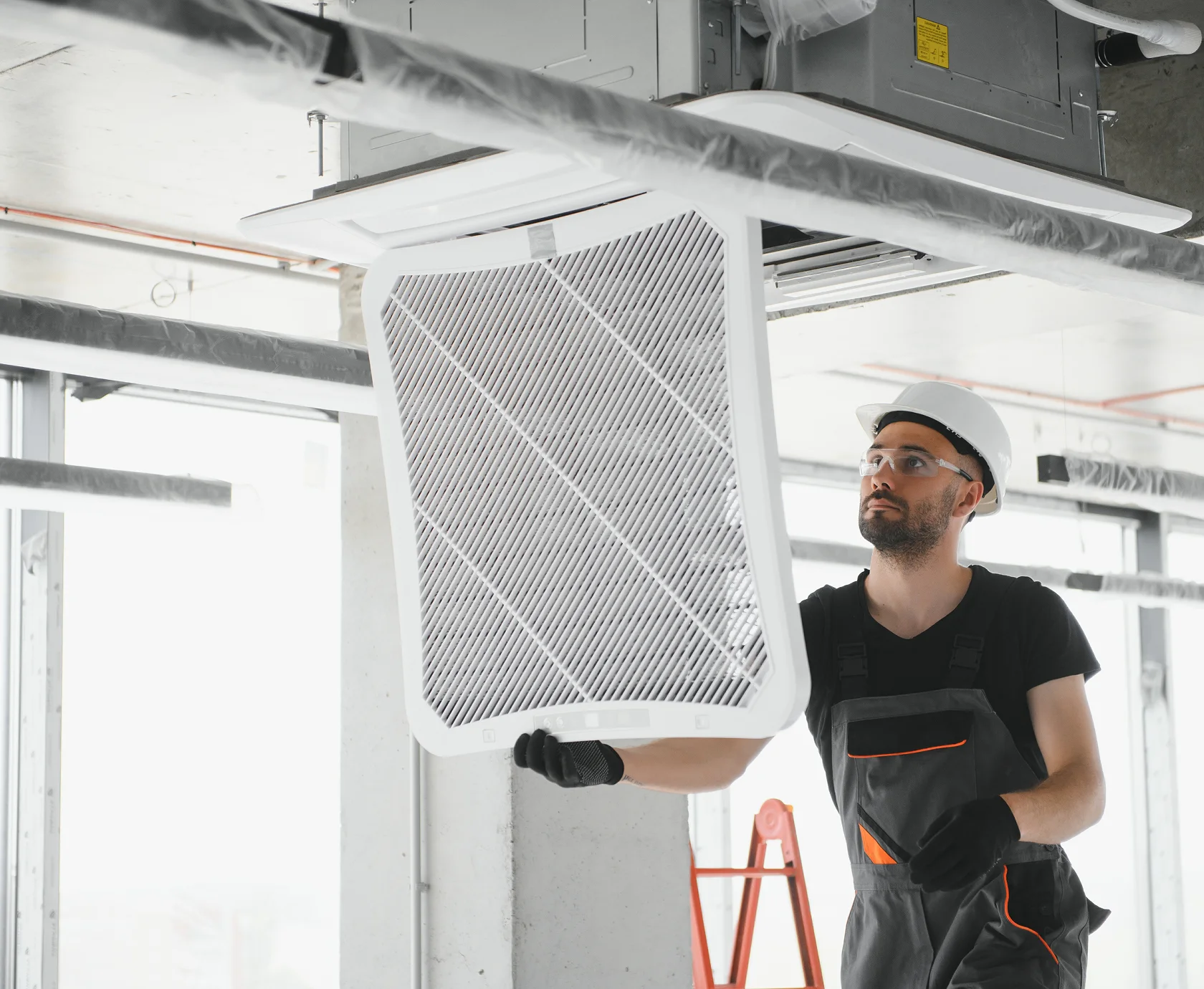
Discover practical steps to enhance the air quality in your home for a healthier and more comfortable living environment.
Read More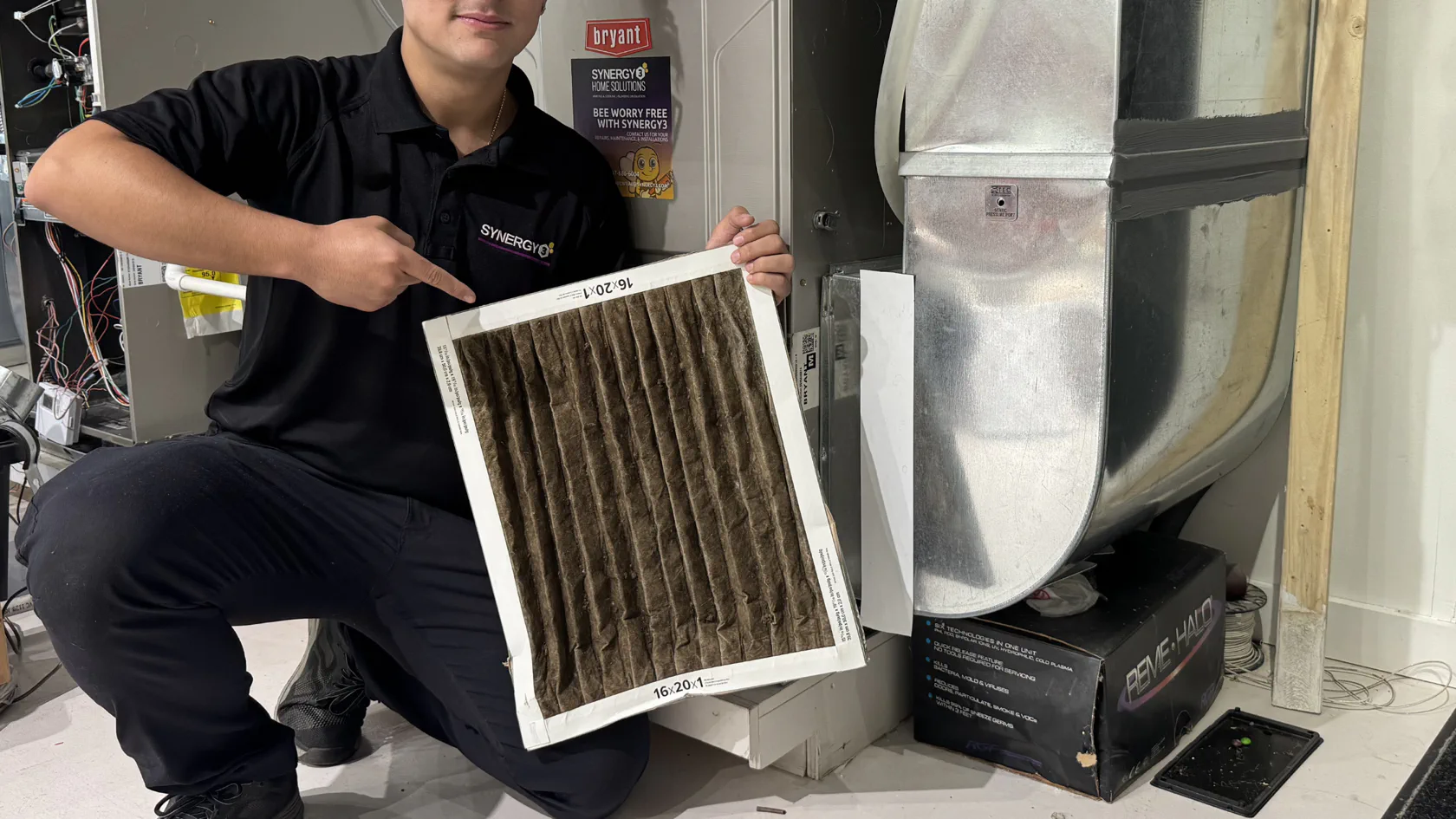
Get your HVAC system ready for every season with this comprehensive checklist to ensure optimal performance year-round.
Read More
Lower your energy bills and reduce your carbon footprint with these practical HVAC energy-saving strategies.
Read More
Find a reliable and professional HVAC contractor with these essential tips for homeowners.
Read More
A plumber-approved way to clear a clogged sink, tub, or shower drain — and the warning signs that mean it’s time to put the plunger down.
Read More
Water pooling around your indoor AC unit usually traces back to one of five causes. Here’s how to tell which one you have and what to do next.
Read More
From a thermostat set to ON to a tripped safety switch, here are the six most common reasons a furnace blows cold air — and which fixes are safe to try.
Read More
An annual flush clears out the sediment that shortens a water heater’s life. Here’s the full process, from shutting off power to refilling the tank.
Read More
A room-by-room fall checklist that gets Philadelphia and South Jersey heating systems ready before the first cold night — most of it in one weekend.
Read More
That constant refill sound is water running onto your bill. Five quick checks inside the tank fix most running toilets — no special tools needed.
Read More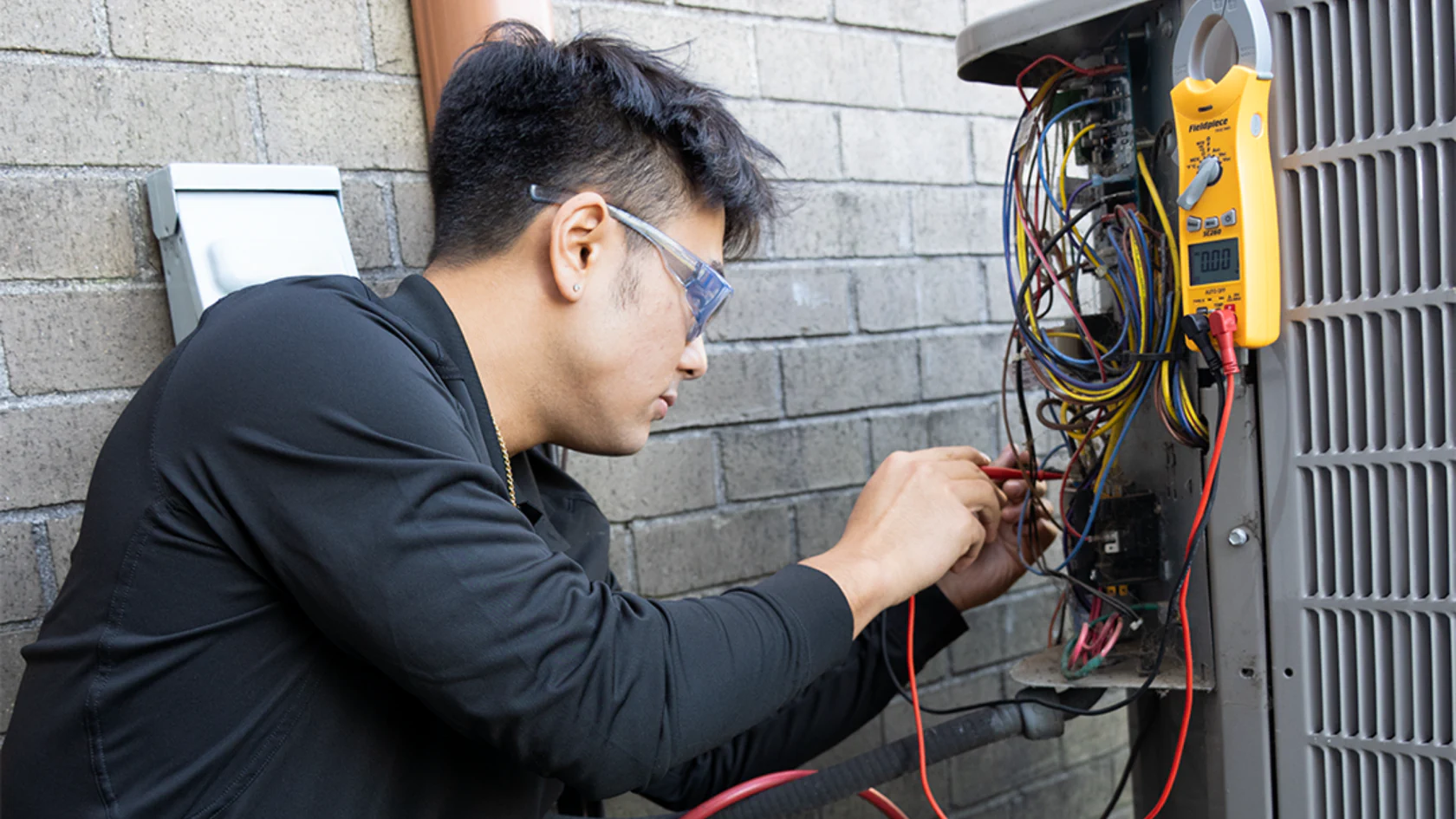
One burst pipe can flood a basement in minutes. Here’s how Delaware Valley homeowners can prevent freezes — and thaw a frozen line without making it worse.
Read More
If your home feels sticky at 72°F, your AC may be cooling without dehumidifying. Here’s what drives indoor humidity in our region and how to fix it.
Read More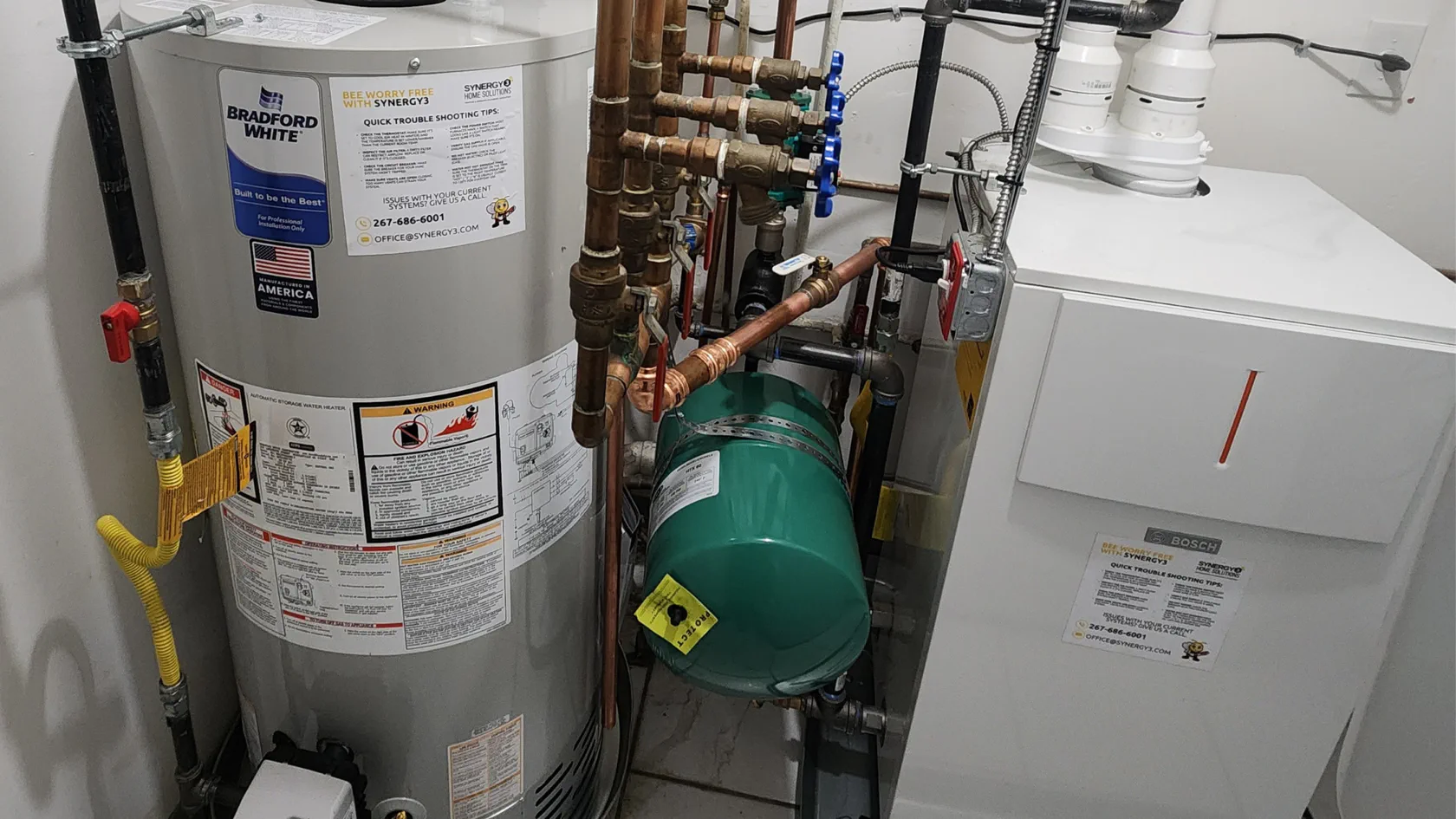
A boiler rarely warns you before it fails for good. Here’s how to catch the signs early, what a new one costs, and what installation day looks like.
Read More
Moving into a new home in Princeton, West Windsor, or Plainsboro is exciting, but it also comes with a long list of systems to understand. One of the most important is your heating and cooling equipment.
Read More
Air conditioner running but not cooling? Check the filter, thermostat, breaker, outdoor unit and refrigerant signs - and know when to call a technician.
Read More
AC replacement cost explained: system size, SEER rating, ductwork and labor, plus what a rowhome retrofit adds. Rebates and financing options included.
Read More
What attic insulation costs by material and R-value in PA and NJ, what air sealing adds, and the utility rebates that can cover part of the job.
Read More
What furnace replacement costs in PA and NJ, what changes the price (size, efficiency, venting, ductwork), and which rebates and financing can offset it.
Read More
Humming, jammed or completely dead? Reset, unjam and troubleshoot a garbage disposal safely - and learn when replacement beats another repair.
Read More
What a heat pump costs to install in PA and NJ: price ranges by system type and size, what drives the quote, and the rebates and financing available.
Read More
Compare heat pumps and gas furnaces on upfront cost, running cost, comfort and rebates for Philadelphia and New Jersey homes - with a clear verdict.
Read More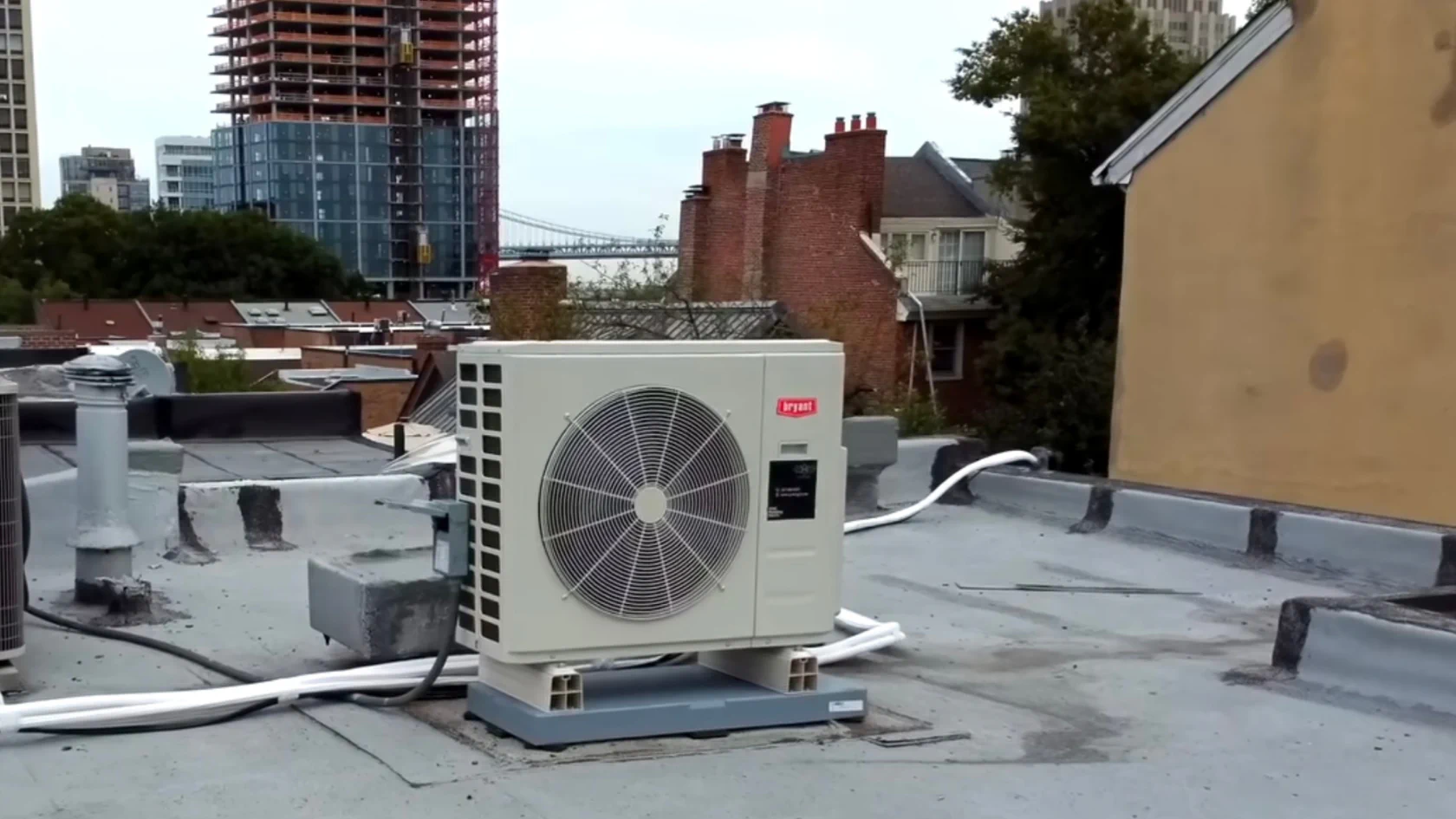
How a heat pump moves heat instead of making it, what changes in winter, and why cold-climate models keep working in Philadelphia and New Jersey.
Read More
The safe way to clean and deodorize a garbage disposal, what never to put down it, and the habits that keep your kitchen drain from clogging.
Read More
Tankless water heater costs in PA and NJ - unit, venting and gas line upgrades - plus the payback math versus a standard tank water heater.
Read More
What a new water heater costs in PA and NJ: tank vs tankless, gas vs electric, permits and code upgrades, and how to keep the install price down.
Read More
A plain-English guide to heat pumps: how they heat and cool, what they cost to run, and whether one makes sense in the Philadelphia and NJ climate.
Read More