

8 minute read · Dec 26, 2025
What Does a Mini Split System Look Like Installed in a Home?
Ductless mini splits are a great way to heat and cool your home, but you may be wondering, what will it look like once it’s installed?
Read MoreKeep your heat pump running efficiently year-round with these essential maintenance tips every homeowner should know.

A heat pump is the one piece of comfort equipment in the house that never gets an off season. It cools all summer and heats all winter, which means roughly twice the running hours of a furnace-and-air-conditioner pair, and twice the reason to keep up with maintenance. Most of what it needs is homeowner work that takes minutes; the rest needs a technician with gauges and a meter.
Here is the split, plainly: filters, clearance around the outdoor unit, gentle coil rinsing and watching for changes in behavior are yours. Refrigerant, electrical components and anything inside a sealed system are a service call, not a DIY step.
Regular maintenance ensures your heat pump operates efficiently and extends its lifespan. Neglecting maintenance can lead to higher energy bills and unexpected breakdowns. On a heat pump there is a second reason that does not apply to other equipment: when performance drops, the system compensates by running the electric backup heat, which costs several times as much per unit of heat delivered. A unit with a dirty coil or a slow refrigerant leak often keeps the house warm for weeks while quietly running on the expensive stage, so the first sign of trouble is usually the electric bill rather than discomfort.
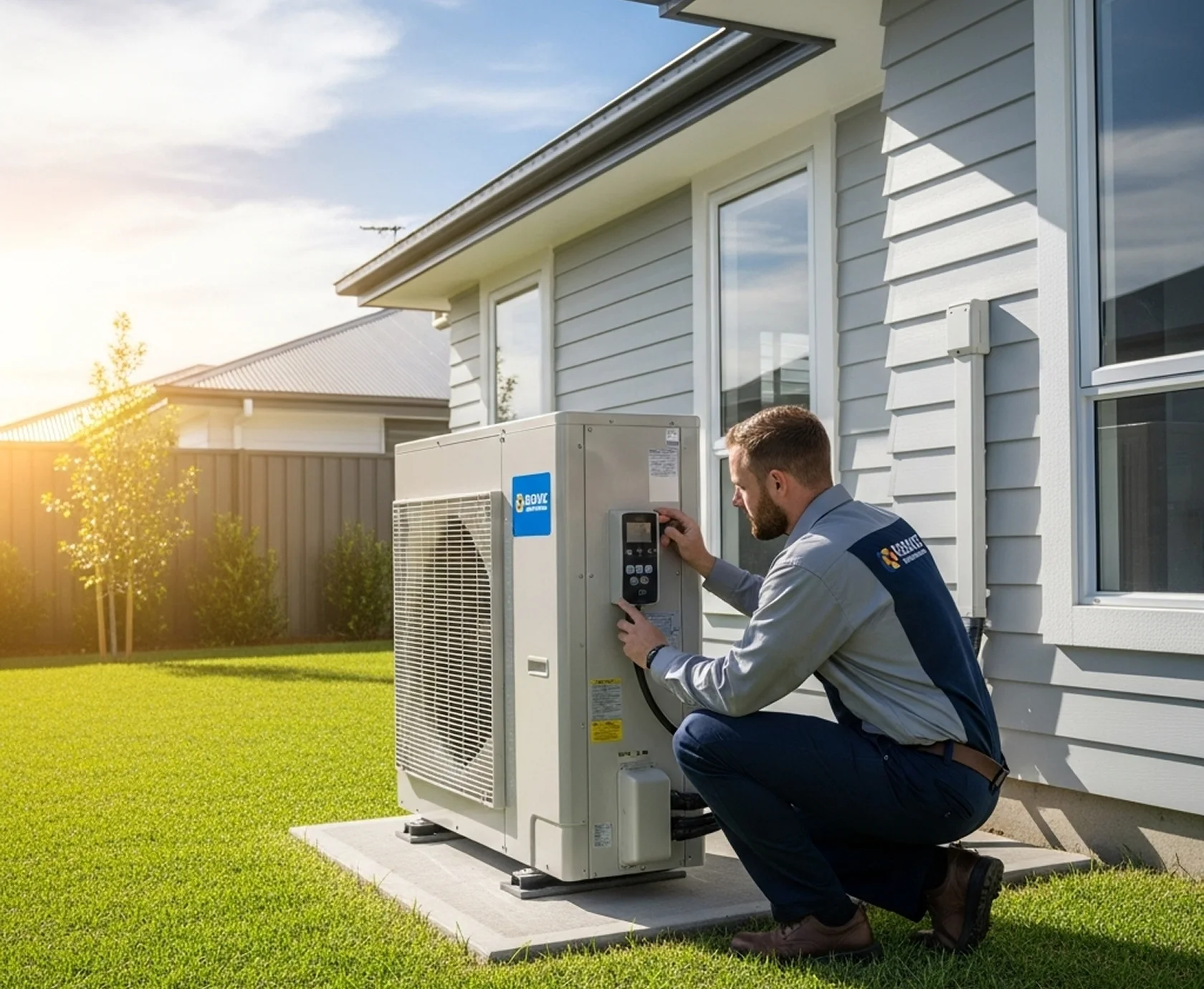
Routine cleaning is most of what keeps a heat pump at its rated performance, and doing it properly matters more than doing it often. Indoors, vacuum the return grille and check the blower compartment for dust buildup, which chokes airflow just as a dirty filter does. Outdoors, rinse the coil gently from the inside out with the power off and let it dry before restoring power; experts do not recommend pressure washers or coil chemicals on a homeowner visit, because bent fins and wrong chemistry cause damage that no amount of cleaning reverses.
What needs professional cleaning: the indoor evaporator coil, which sits behind an access panel over live wiring and is the surface where dust and biological growth actually accumulate, and the blower wheel, which loses a surprising amount of airflow when the blades pack with dust. Both are included on a proper maintenance visit, along with the drain pan and condensate line.
Heat pumps behave in ways that alarm people who are used to furnaces, and knowing the difference saves an unnecessary service call.
Normal: a layer of frost on the outdoor coil in cold, damp weather, followed by a defrost cycle every 30 to 90 minutes where the unit briefly switches to cooling, steams, and then returns to heating. Normal: supply air that feels cool against your hand even while it is heating the room - a heat pump delivers a large volume of moderately warm air rather than a small volume of hot air. Normal: the outdoor unit running for long stretches on a cold day.
Not normal: the coil encased in solid ice, or ice that never clears through several cycles. Not normal: the outdoor fan running while the unit is iced, the backup heat running constantly in mild weather, or a system that switches to emergency heat on its own. Any of those means a call.
The technician's list is the part you cannot judge by eye: refrigerant charge measured against superheat and subcooling targets, airflow and temperature split across the indoor coil, capacitor capacitance and compressor amp draw, reversing valve and defrost board operation, the auxiliary heat strips and their limit controls, the condensate drain, and the electrical connections, which loosen with the thermal cycling a heat pump goes through year round.
Two visits a year is the right cadence here: cooling checks in spring, heating checks in fall. Most manufacturer warranties also require documented annual service, so a skipped year can cost coverage on a part that fails in year six.
A few steps take two minutes and often save a service call, or at least give the technician a head start. Check that the thermostat is in HEAT or COOL rather than EMERGENCY HEAT, and that the setpoint is where you think it is. Look at the filter. Walk out to the outdoor unit and confirm nothing is blocking airflow - leaves, a pet's bedding, a snow drift or anything stored against it. Check the breaker and the outdoor disconnect. Note whether the unit is running at all, running without cooling or heating, or cycling on and off quickly, because those three describe very different faults.
Homes with more than one system, or with a ductless unit added alongside a central one, are worth checking zone by zone: the problem is often located in a single zone rather than in the equipment everyone assumes. When you do call, having the model number, the age of the system and a short description of what you noticed helps the technician arrive with the right parts and gives you a straight answer faster.
If you notice reduced heating or cooling, strange noises, or higher energy bills, it's time to call a professional technician. Preventative care can save you money and keep your home comfortable all year. The line between homeowner work and a service call is not about difficulty:
Our HVAC services page covers heat pump service across Philadelphia and New Jersey. Synergy3 Home Solutions has been family-run in Philadelphia since 2006, our technicians are NATE-certified, and we work Monday to Friday 7:00 am to 7:00 pm and Saturday 7:00 am to 3:00 pm, with same-day dispatch for no-heat and no-cooling calls inside those hours.
The reason maintenance slips is that nothing looks wrong, which is exactly the point at which it is worth doing. A plan removes the remembering: our Bee Protected Plan covers heat pumps at $300 a year for two visits, with a 17-point checklist, priority scheduling and no overtime or dispatch fees for members.
Ductless mini splits are a great way to heat and cool your home, but you may be wondering, what will it look like once it’s installed?
Read More
Explore the pros and cons of ductless and central HVAC systems to find the best fit for your home and lifestyle.
Read More
Discover practical steps to enhance the air quality in your home for a healthier and more comfortable living environment.
Read More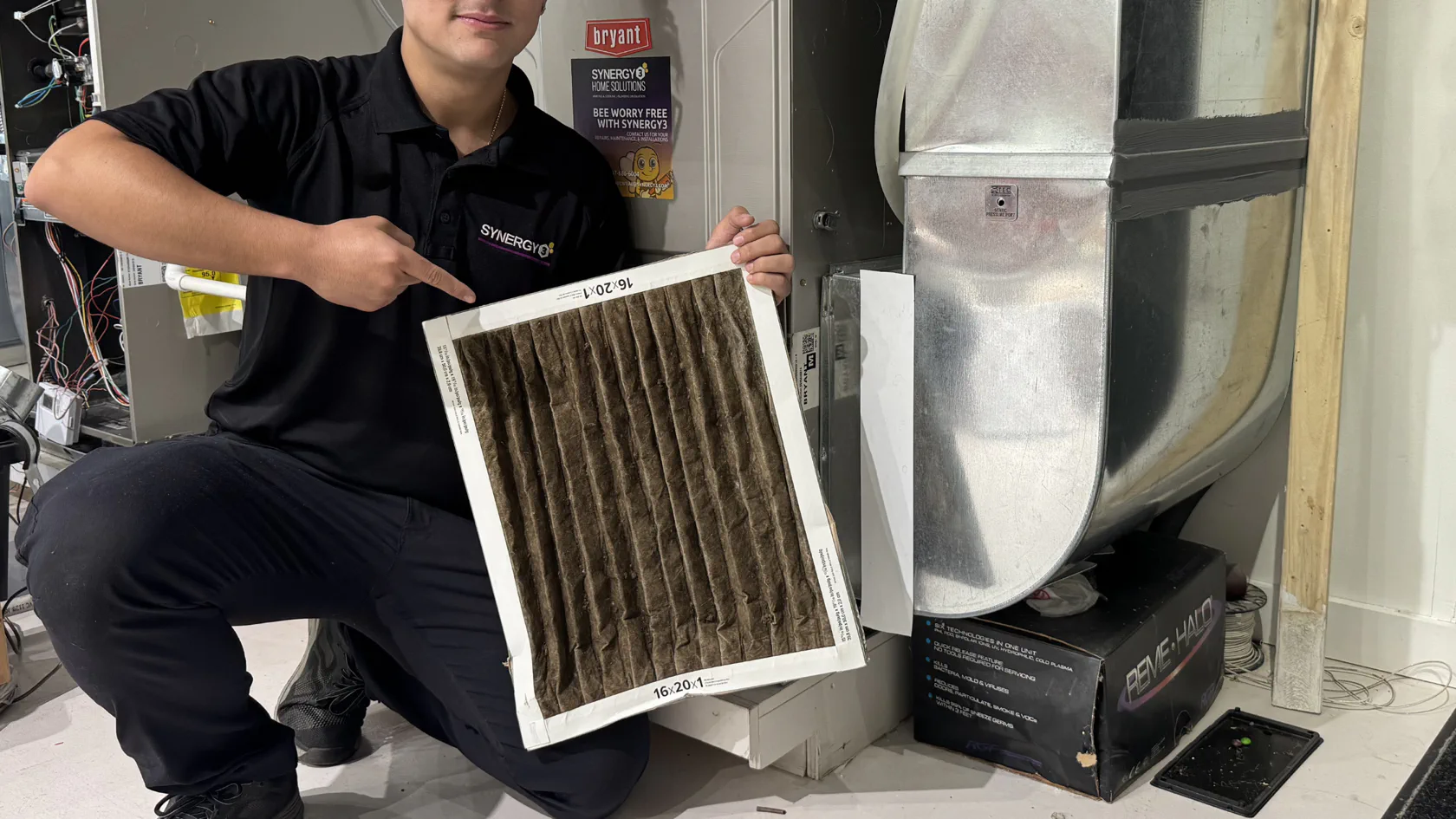
Get your HVAC system ready for every season with this comprehensive checklist to ensure optimal performance year-round.
Read More
Lower your energy bills and reduce your carbon footprint with these practical HVAC energy-saving strategies.
Read More
Find a reliable and professional HVAC contractor with these essential tips for homeowners.
Read More
A plumber-approved way to clear a clogged sink, tub, or shower drain — and the warning signs that mean it’s time to put the plunger down.
Read More
Water pooling around your indoor AC unit usually traces back to one of five causes. Here’s how to tell which one you have and what to do next.
Read More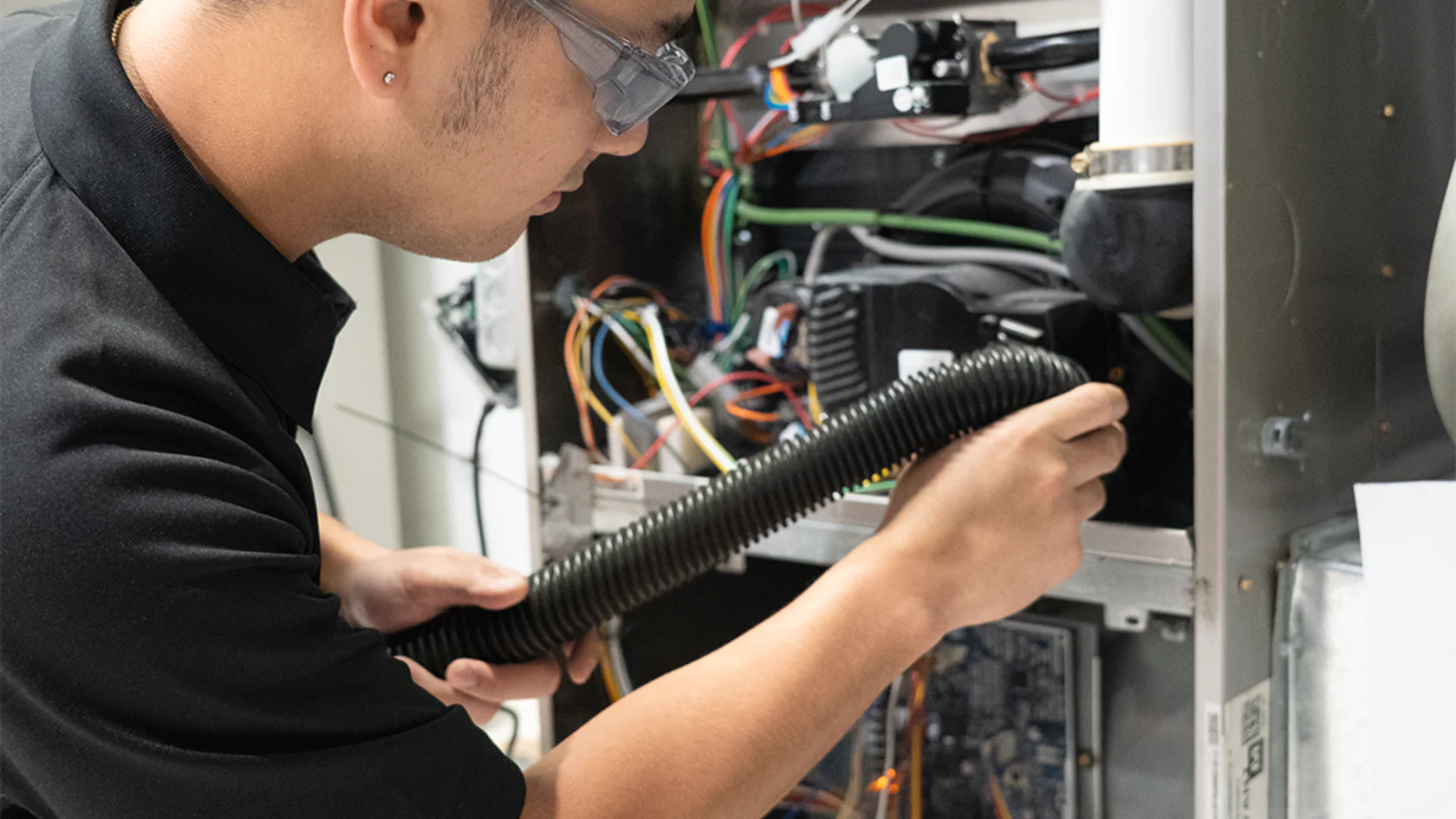
From a thermostat set to ON to a tripped safety switch, here are the six most common reasons a furnace blows cold air — and which fixes are safe to try.
Read More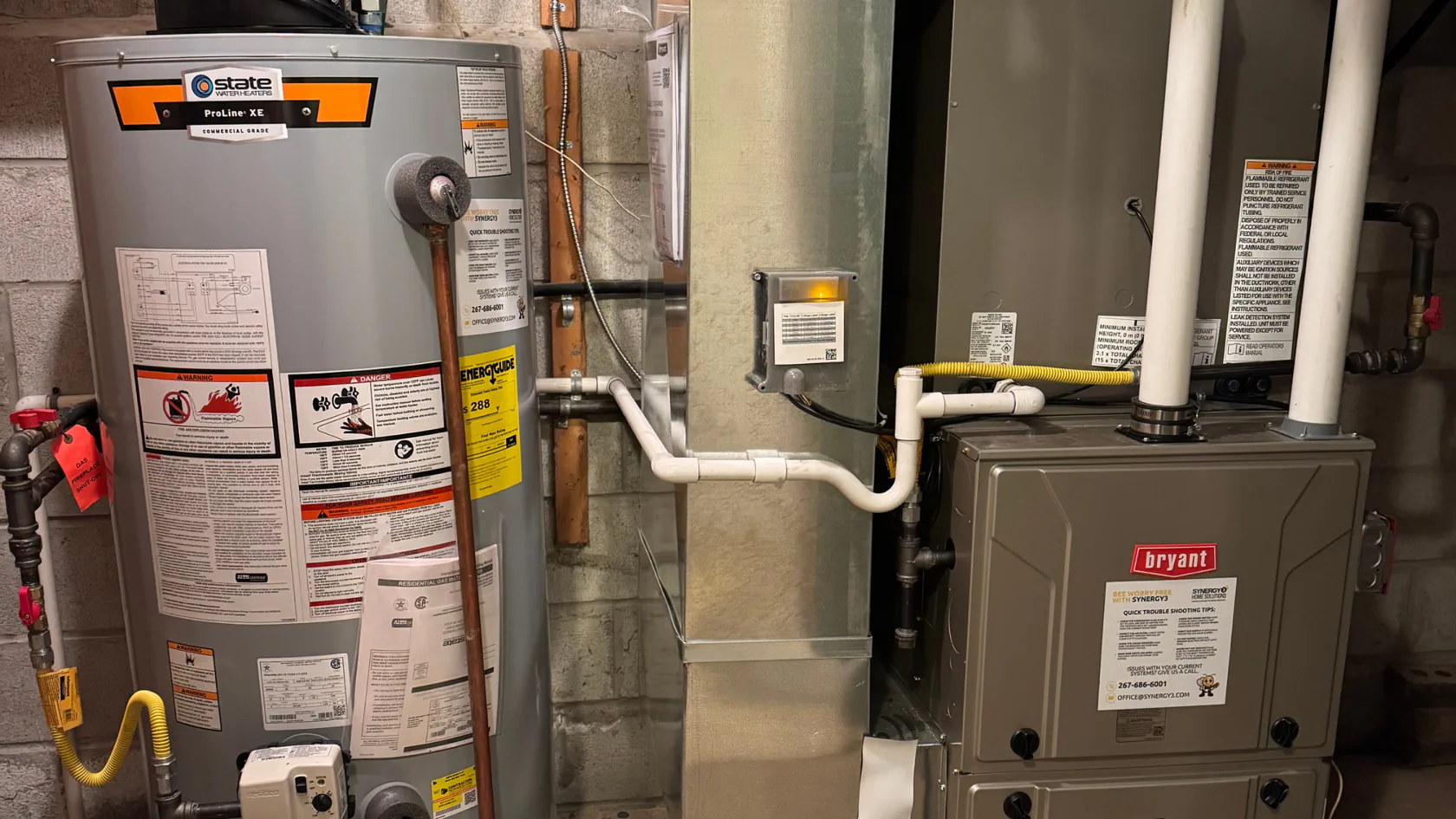
An annual flush clears out the sediment that shortens a water heater’s life. Here’s the full process, from shutting off power to refilling the tank.
Read More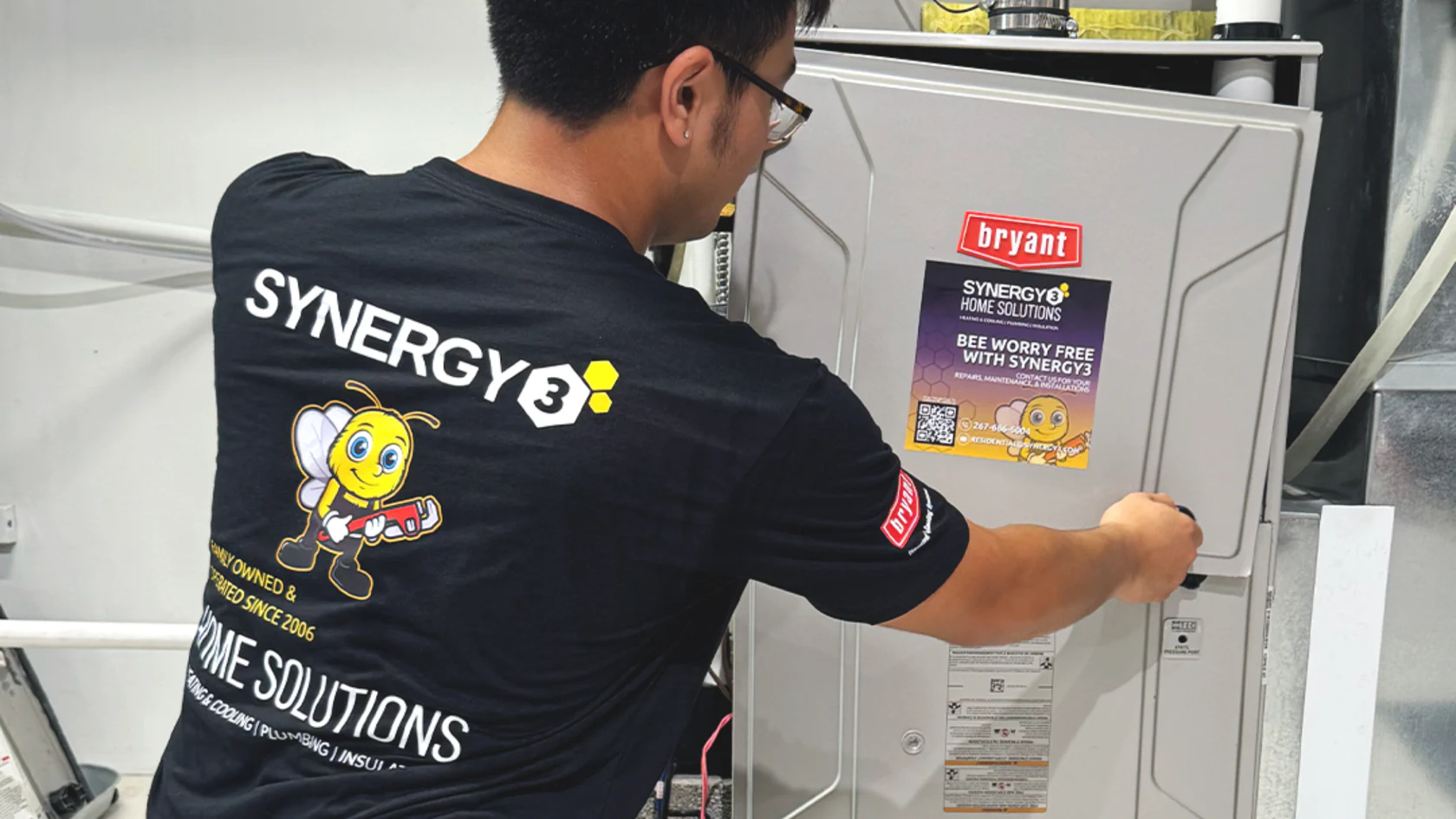
A room-by-room fall checklist that gets Philadelphia and South Jersey heating systems ready before the first cold night — most of it in one weekend.
Read More
That constant refill sound is water running onto your bill. Five quick checks inside the tank fix most running toilets — no special tools needed.
Read More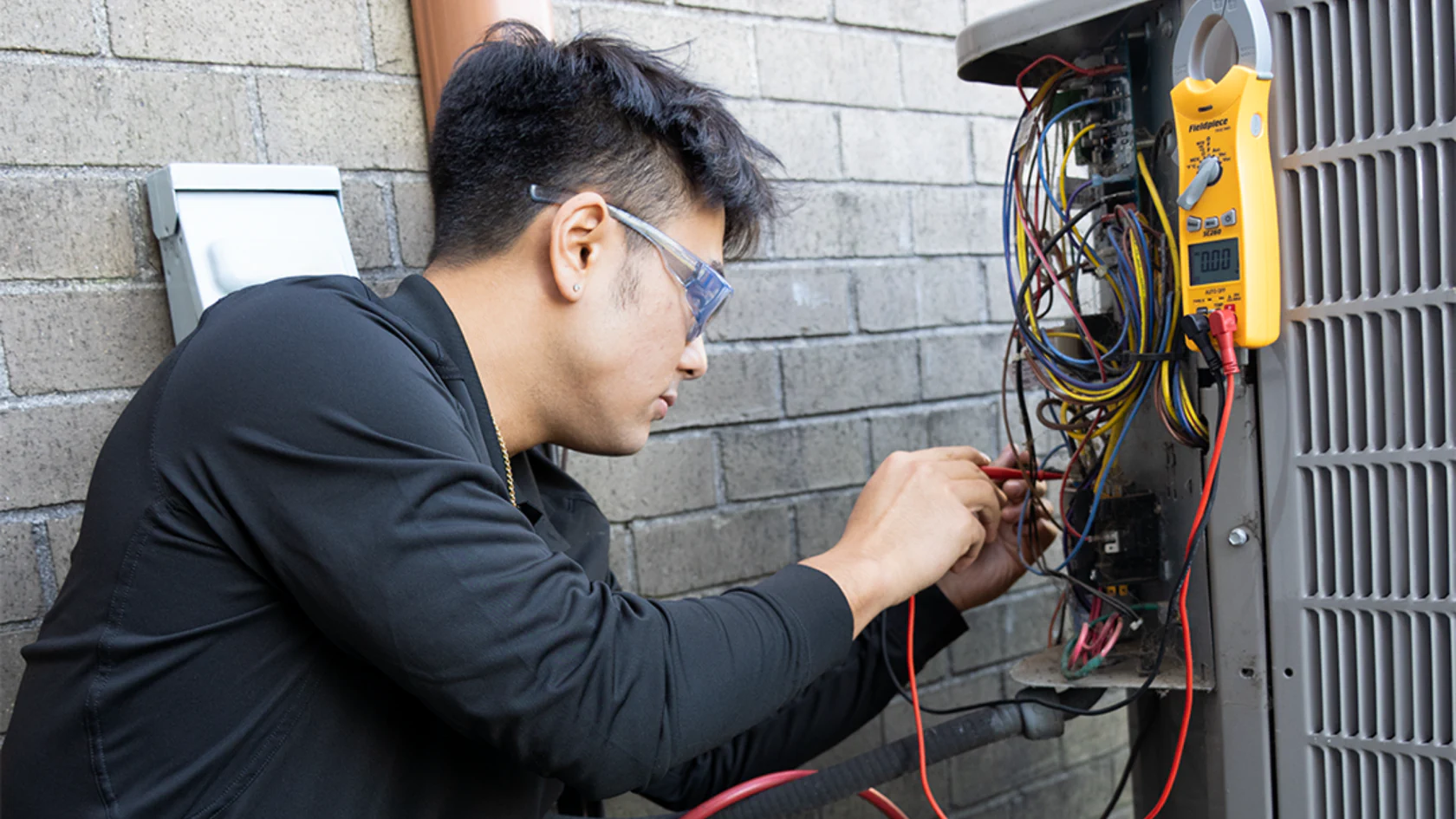
One burst pipe can flood a basement in minutes. Here’s how Delaware Valley homeowners can prevent freezes — and thaw a frozen line without making it worse.
Read More
If your home feels sticky at 72°F, your AC may be cooling without dehumidifying. Here’s what drives indoor humidity in our region and how to fix it.
Read More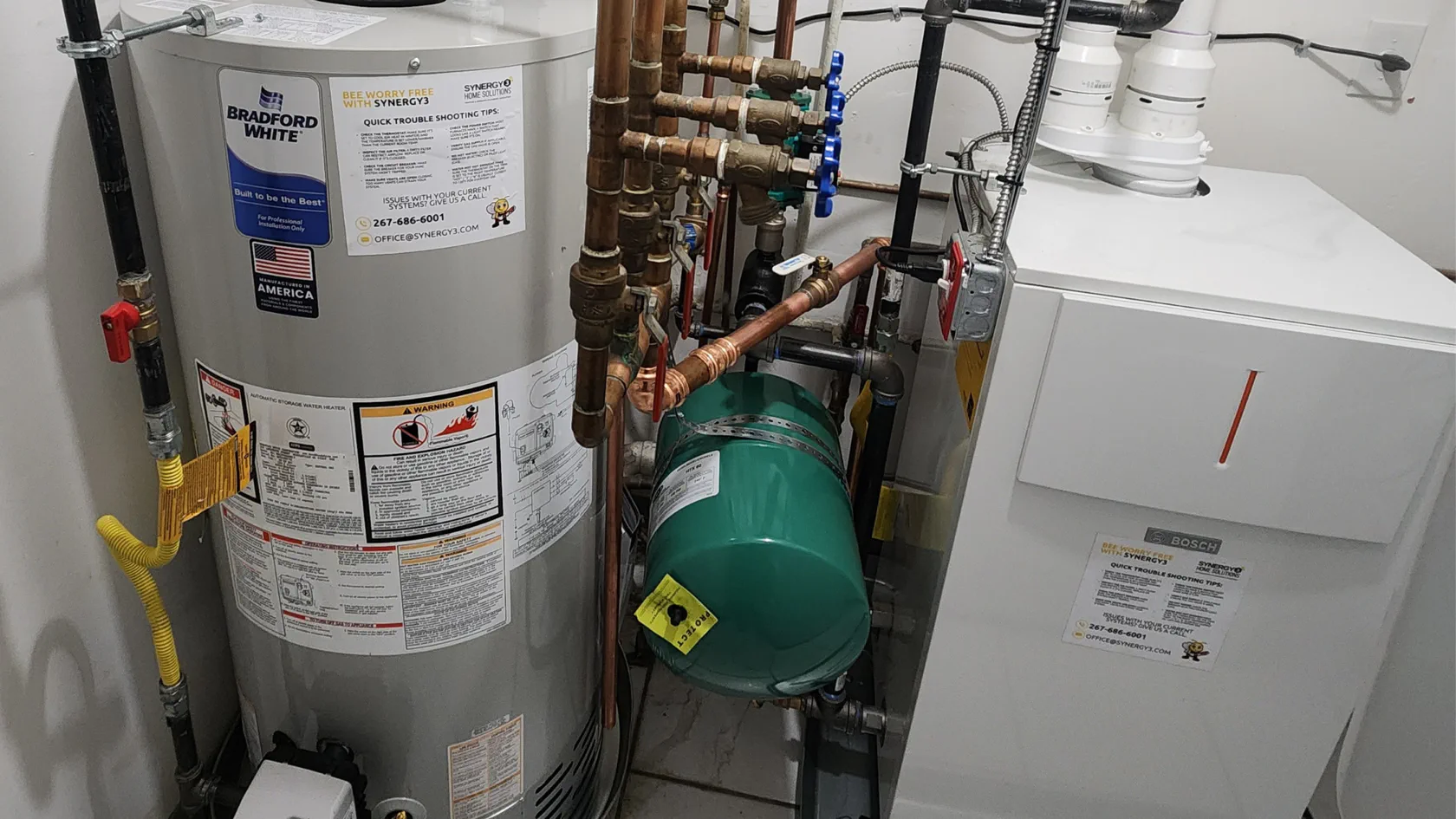
A boiler rarely warns you before it fails for good. Here’s how to catch the signs early, what a new one costs, and what installation day looks like.
Read More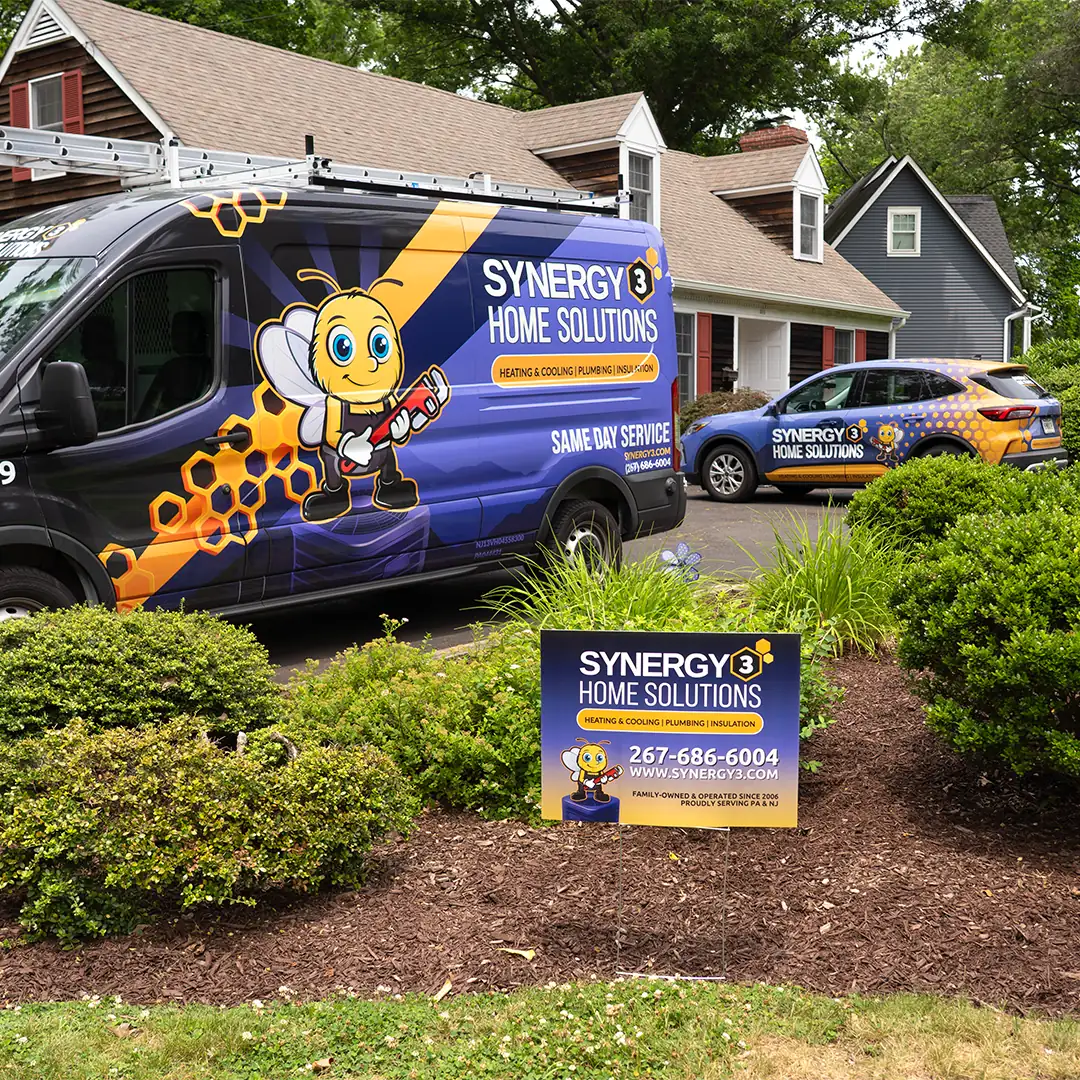
Moving into a new home in Princeton, West Windsor, or Plainsboro is exciting, but it also comes with a long list of systems to understand. One of the most important is your heating and cooling equipment.
Read More
Air conditioner running but not cooling? Check the filter, thermostat, breaker, outdoor unit and refrigerant signs - and know when to call a technician.
Read More
AC replacement cost explained: system size, SEER rating, ductwork and labor, plus what a rowhome retrofit adds. Rebates and financing options included.
Read More
What attic insulation costs by material and R-value in PA and NJ, what air sealing adds, and the utility rebates that can cover part of the job.
Read More
What furnace replacement costs in PA and NJ, what changes the price (size, efficiency, venting, ductwork), and which rebates and financing can offset it.
Read More
Humming, jammed or completely dead? Reset, unjam and troubleshoot a garbage disposal safely - and learn when replacement beats another repair.
Read More
What a heat pump costs to install in PA and NJ: price ranges by system type and size, what drives the quote, and the rebates and financing available.
Read More
Compare heat pumps and gas furnaces on upfront cost, running cost, comfort and rebates for Philadelphia and New Jersey homes - with a clear verdict.
Read More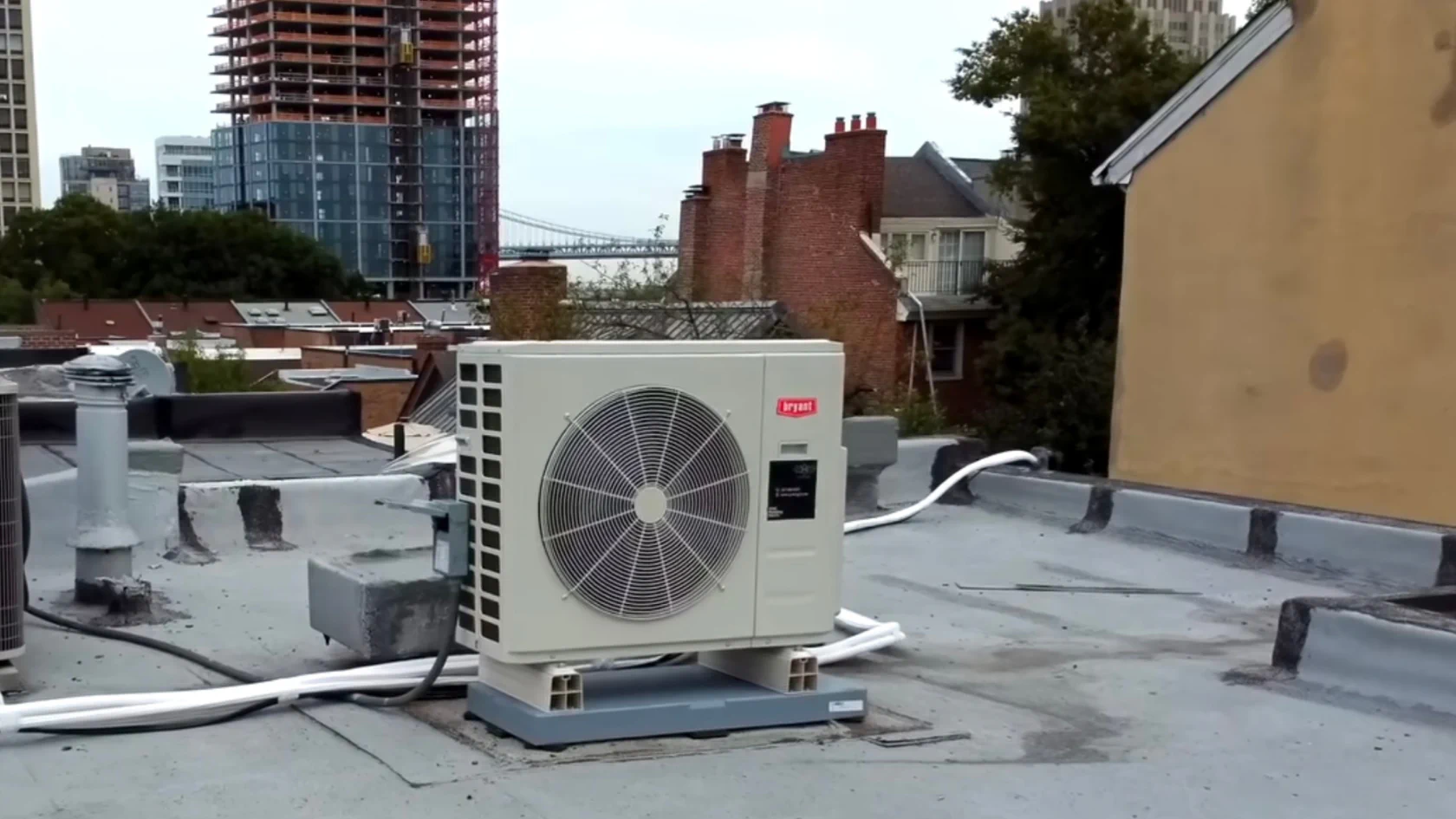
How a heat pump moves heat instead of making it, what changes in winter, and why cold-climate models keep working in Philadelphia and New Jersey.
Read More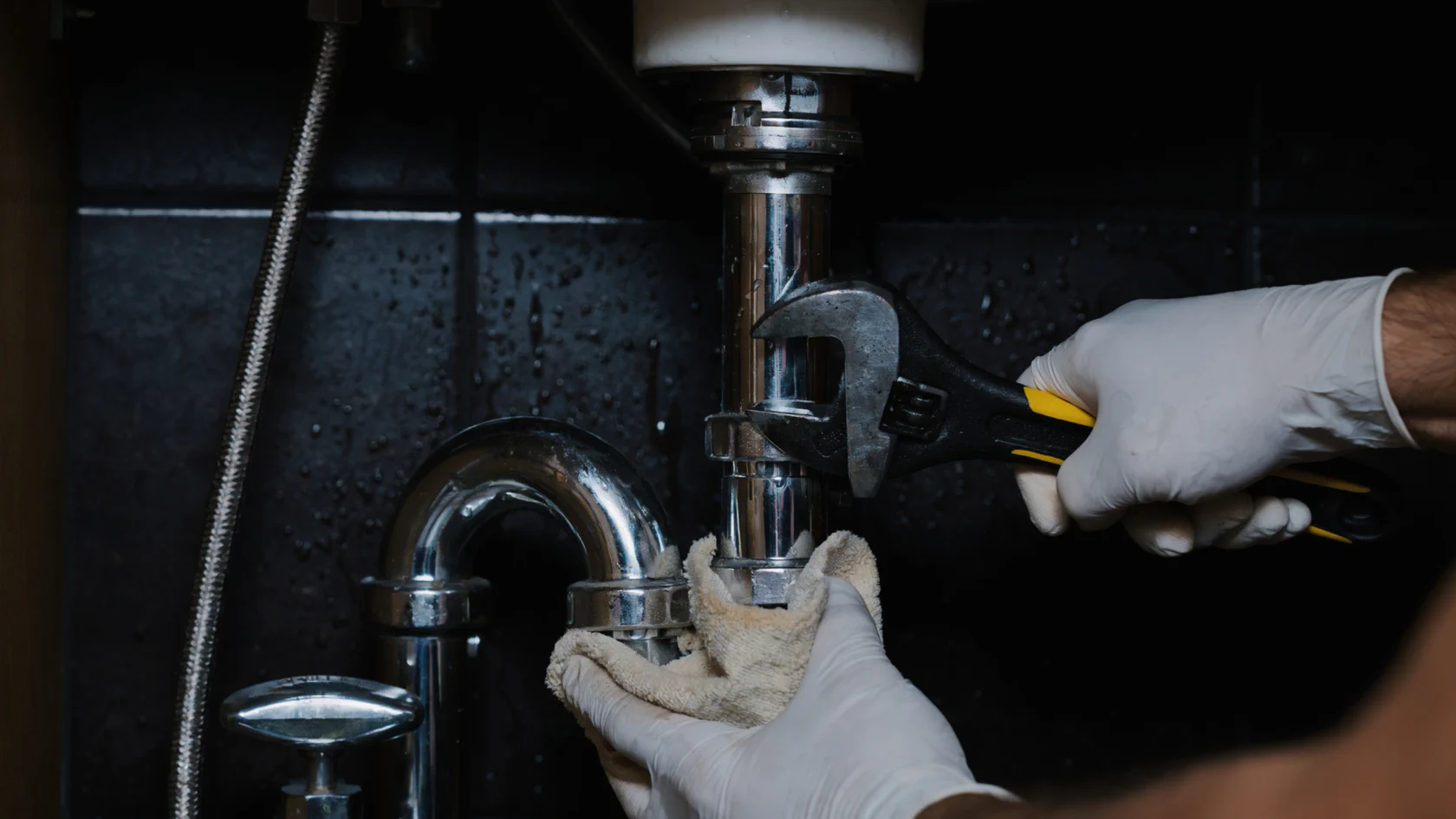
The safe way to clean and deodorize a garbage disposal, what never to put down it, and the habits that keep your kitchen drain from clogging.
Read More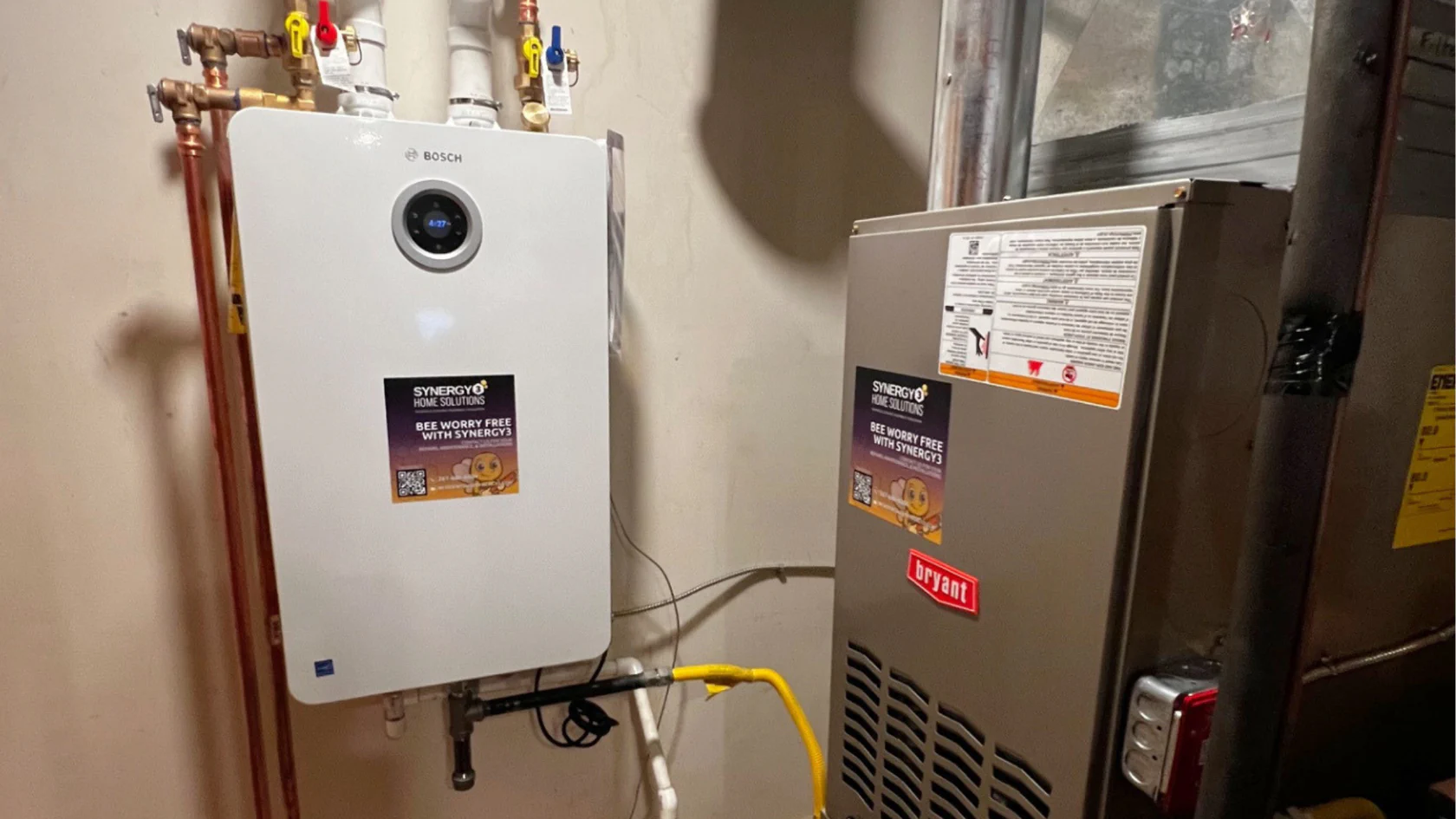
Tankless water heater costs in PA and NJ - unit, venting and gas line upgrades - plus the payback math versus a standard tank water heater.
Read More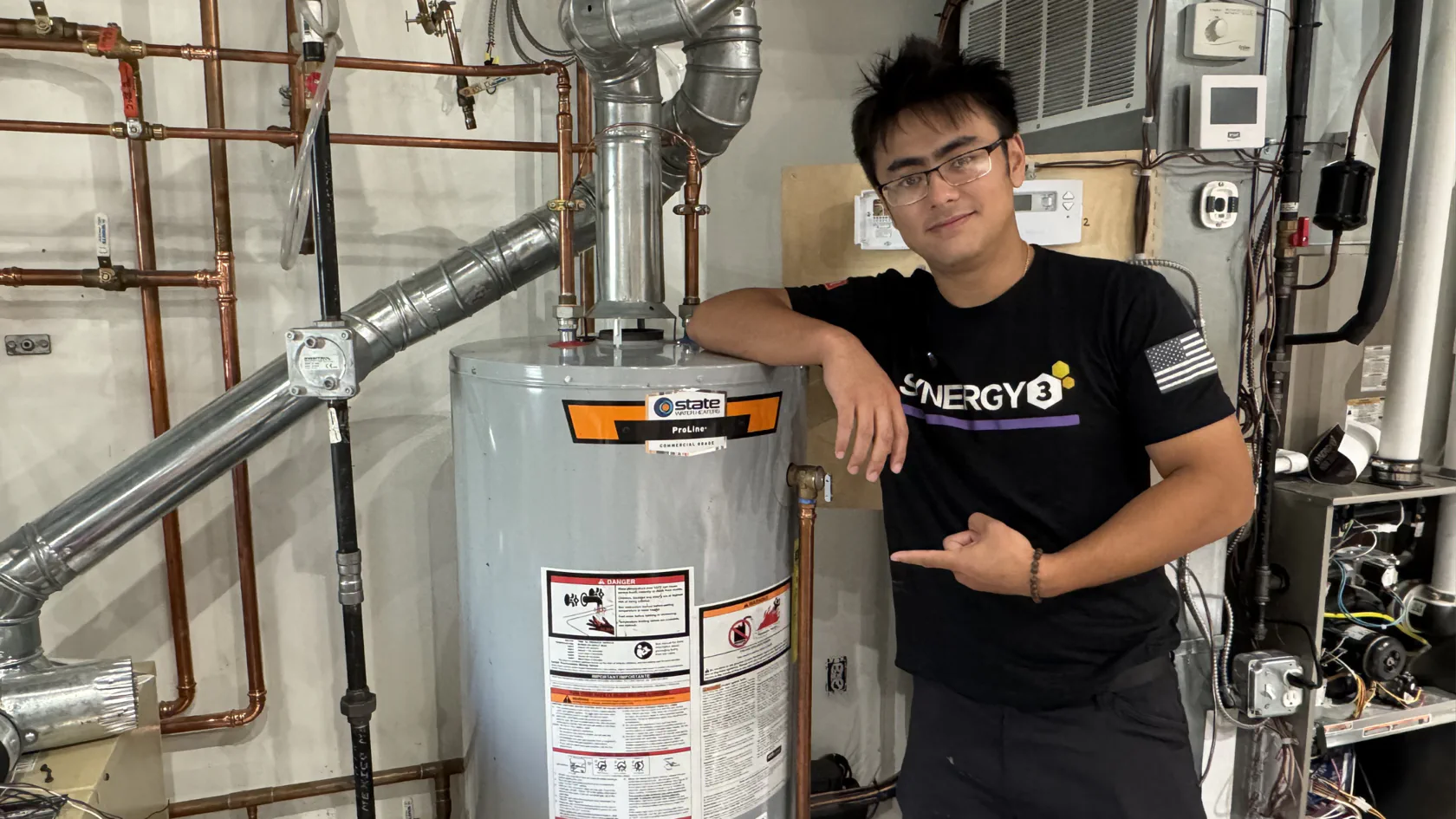
What a new water heater costs in PA and NJ: tank vs tankless, gas vs electric, permits and code upgrades, and how to keep the install price down.
Read More
A plain-English guide to heat pumps: how they heat and cool, what they cost to run, and whether one makes sense in the Philadelphia and NJ climate.
Read More