

5 minute read · Dec 26, 2025
What Does a Mini Split System Look Like Installed in a Home?
Ductless mini splits are a great way to heat and cool your home, but you may be wondering, what will it look like once it’s installed?
Read MoreHumming, jammed or completely dead? Reset, unjam and troubleshoot a garbage disposal safely - and learn when replacement beats another repair.
A garbage disposal that has stopped working is usually one of three things: it has no power, it is jammed, or the motor has burned out. The first two are homeowner fixes that take about ten minutes with a hex wrench and a flashlight. The third is not repairable, and the unit needs replacing.
The fastest way to tell them apart is to listen. Silence when you flip the switch points to power. A hum with no grinding points to a jam. A grinding noise with water pooling in the cabinet below points to a leaking or failed unit. Below is what to do in each case, and the point at which you should stop and call a plumber instead.
Five problems account for nearly every one of these calls. They are listed here in the order you should check them, which is also the order of how common they are.
Every disposal is designed with a thermal overload switch as standard, usually a small red reset button on the underside of the unit. It trips when the motor overheats, most often after a jam or after grinding something dense. This is the most common cause of a disposal that does nothing at all, and it is the easiest to fix.
A hum with no grinding almost always means the flywheel is stuck. Common culprits: a bottle cap, a bit of glass, a bone, a fruit pit, a twist tie, or fibrous scraps like celery or corn husks wound around the impellers. Worth knowing before you look: a disposal has no blades. It grinds with blunt impellers that fling waste against a stationary ring, so an object that stops it is lodged rather than caught on an edge, and dislodging it is usually a matter of turning the flywheel rather than cutting anything free. The motor is drawing current and going nowhere, which is why leaving it humming is the one thing you must not do.
Disposals are usually on a switched outlet under the sink or hardwired to a dedicated circuit. A tripped breaker, a blown fuse in an older panel, a GFCI outlet that needs resetting, or a plug that is no longer properly plugged in after someone stored cleaning supplies under the sink will all leave you with a dead switch and a perfectly good disposal.
Less common, but switches wear out. If the disposal has power at the outlet and the reset button is in, and it still does nothing, the switch or the internal wiring is the suspect.
Disposals that have been run repeatedly while jammed, or that are simply old, eventually fail outright. Signs: a burning smell, a continuous humming sound, a reset button that trips again within seconds of being pushed, or no response at all after everything else checks out. Nothing you can do at the sink will resolve this one.
Water under the sink changes the priority. A leak at the sink flange can be resealed, and a leak at the dishwasher inlet or the discharge tube is usually a gasket or a connection. A leak from the bottom seam of the housing means the internal seal has failed, and that unit is finished.
Tools: the 1/4-inch hex wrench that came with the unit, also sold as an Allen wrench or hex key and often still taped to the side of the housing, a flashlight, and tongs or needle-nose pliers.
One of these precautions matters more than the rest: never let the disposal sit and hum. Current stalls in the motor windings, and more than a few seconds of that can burn out a motor that was otherwise fine.
Stop and call a professional if any of these apply:
Synergy3 Home Solutions has handled kitchen plumbing across Philadelphia and New Jersey since 2006, and a stuck or failed disposal is a same-visit job in most cases. Our Garbage Disposal Repair team can tell you in a few minutes whether the unit is worth saving or whether you are better off replacing it.
Several of these repairs are easy, but only with the power off. Switch off the disposal at the wall and, for anything beyond pressing the reset button, at the breaker as well. Never put your hand into the chamber, even with the power off - use tongs or pliers to remove whatever is in there, and a flashlight to look before you reach. If the unit hums, do not keep the switch on while it does: that is the motor stalled against a jam, and holding it there burns out the windings within seconds.
A few related points worth attention. Water under the sink after a jam usually means a loosened connection at the dishwasher inlet or the drain elbow rather than a failed unit. A disposal that trips the breaker repeatedly has an electrical fault and needs a professional. And if the same jam happens several times in a month, the cause is what is going in rather than the machine - follow the maintenance tips below and the issue usually disappears.
If the reset button and the hex wrench have not solved it, Get in touch with Synergy3 Home Solutions. We are family-run out of Philadelphia, with 20 years in the trade, a 4.9-star rating, and 500+ Google reviews. Our hours are Monday to Friday 7:00 am to 7:00 pm and Saturday 7:00 am to 3:00 pm during peak season, with same-day service available on most calls.
The hum means the motor is powered but the flywheel is jammed. Cut the power at the plug or the breaker, insert a 1/4-inch hex wrench into the port at the bottom center of the unit and work it in both directions until the flywheel turns freely. Remove the debris with tongs, press the reset button, restore power and test. Do not leave it humming while you work, because that is how a jam turns into a burned-out motor.
Most often the thermal overload has tripped, which is what the reset button is for. After that, the usual causes are a jam, a tripped breaker or a loose plug under the sink, a failed wall switch, and finally a motor at the end of its life. Check in that order, because that is roughly the order of likelihood.
Look on the underside of the unit for a small red button. Press it firmly until it clicks and stays in. If it pops back out or trips again within seconds of running the disposal, the unit has a fault beyond an overheating motor and needs to be looked at rather than reset again.
Usually yes, as long as it is not leaking and the drain is clear. Water passes through the disposal housing even when the motor is dead. Do not put food scraps down it while it is out of service, because they will sit in the chamber and cause an odor and eventually a clog. If the sink is also backing up, stop using it and call a plumber.
Jams, tripped overloads and loose connections are worth fixing, and they are the majority of failures. A burned-out motor or a leak from the bottom seam of the housing is not repairable, so the unit gets replaced. Age matters too: on a disposal that is over ten years old and failing, replacement is usually the better spend.
Often, yes. Hardwired disposals typically sit on a dedicated circuit, while plug-in models share a kitchen circuit and may be protected by a GFCI outlet. Check both the panel and any GFCI outlet in the kitchen before assuming the unit has failed.
Ductless mini splits are a great way to heat and cool your home, but you may be wondering, what will it look like once it’s installed?
Read More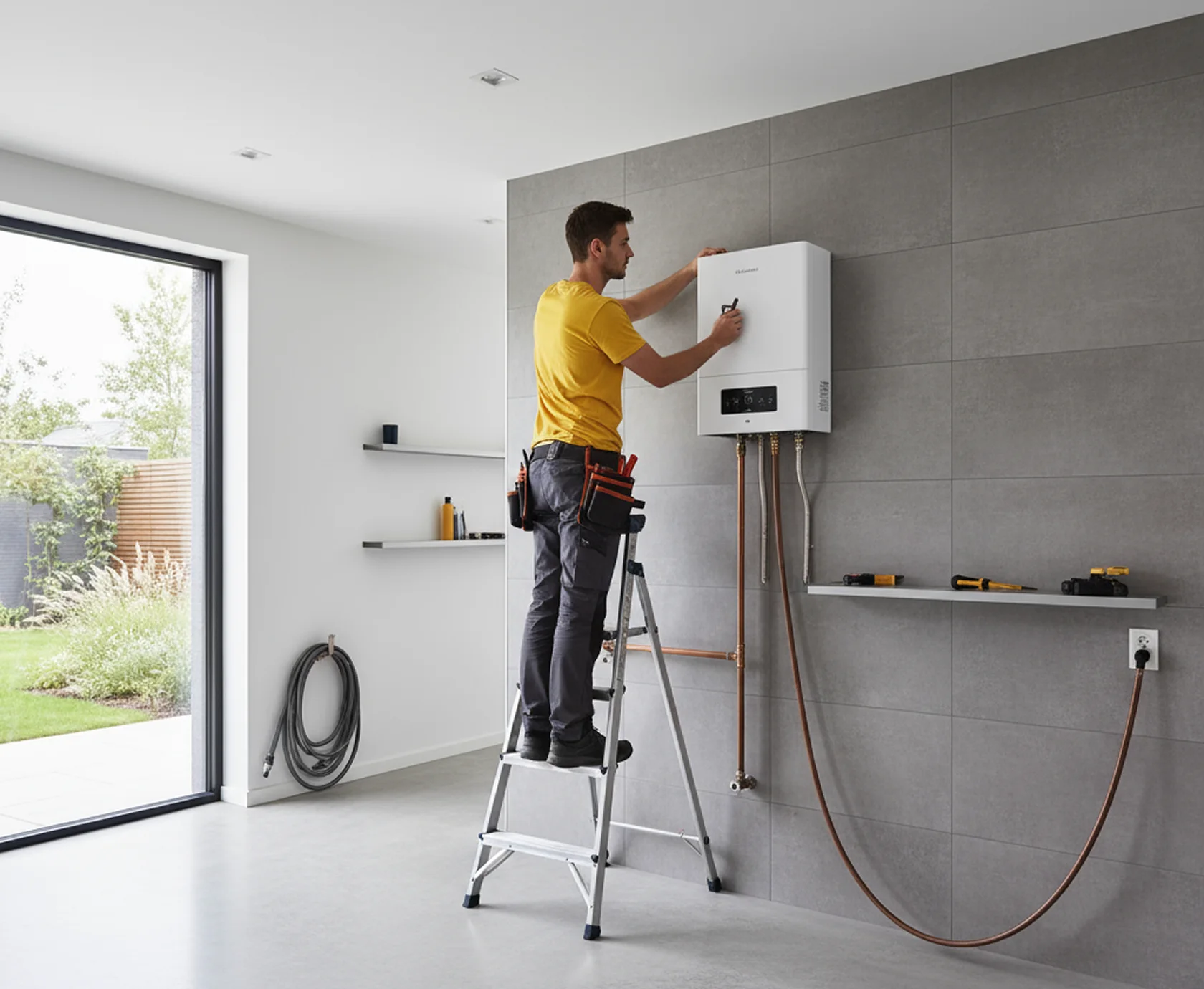
Keep your heat pump running efficiently year-round with these essential maintenance tips every homeowner should know.
Read More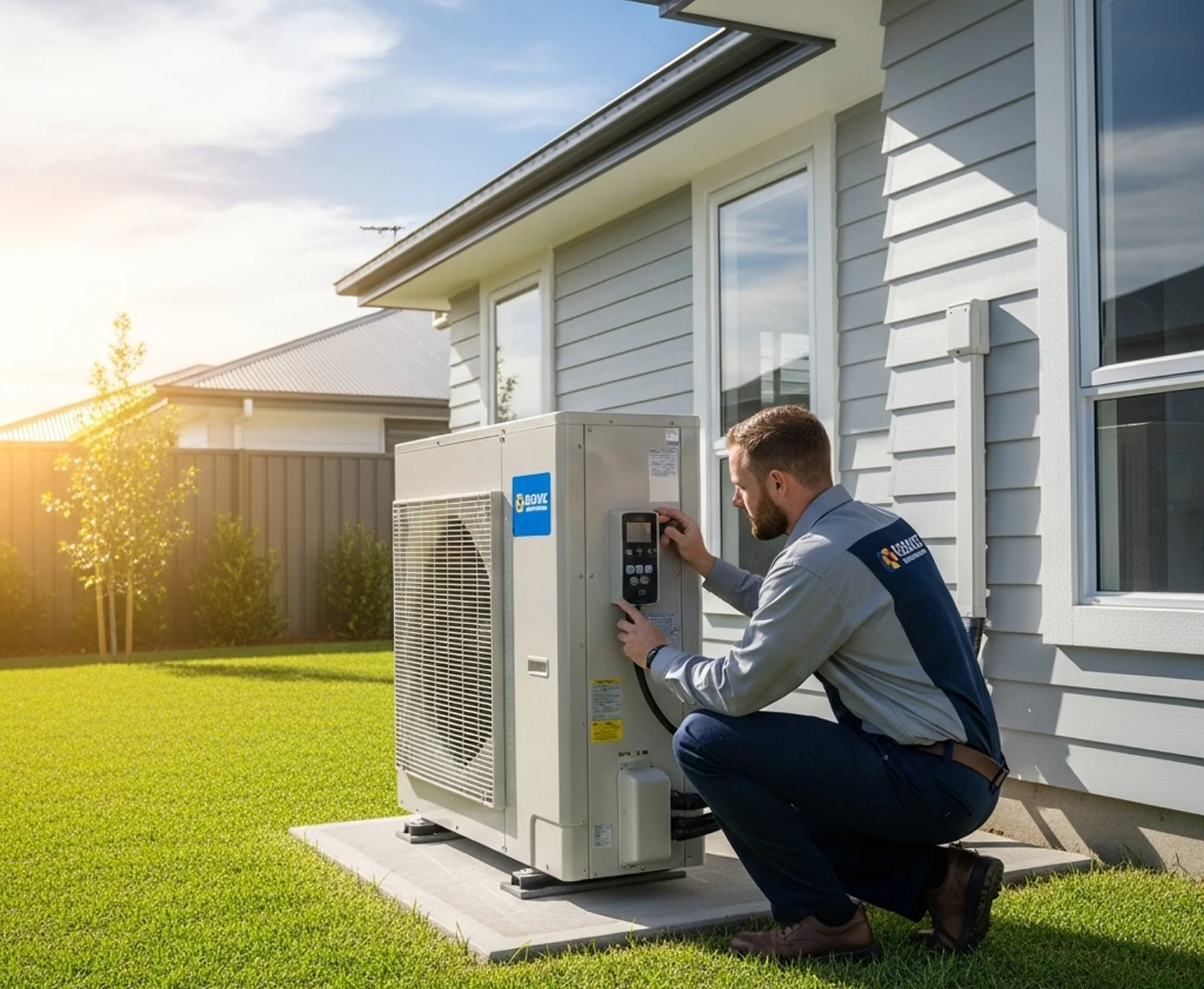
Explore the pros and cons of ductless and central HVAC systems to find the best fit for your home and lifestyle.
Read More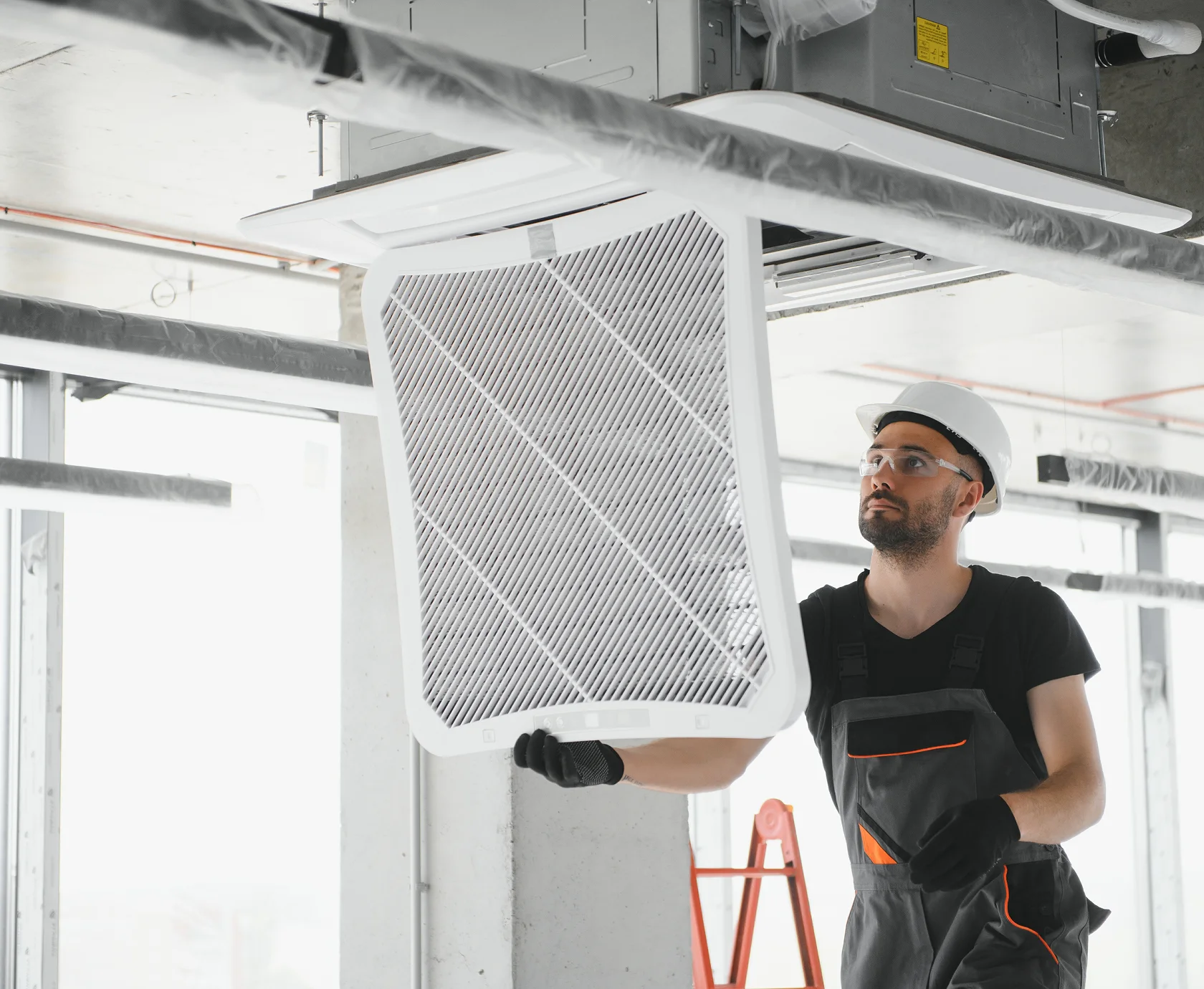
Discover practical steps to enhance the air quality in your home for a healthier and more comfortable living environment.
Read MoreGet your HVAC system ready for every season with this comprehensive checklist to ensure optimal performance year-round.
Read MoreLower your energy bills and reduce your carbon footprint with these practical HVAC energy-saving strategies.
Read MoreFind a reliable and professional HVAC contractor with these essential tips for homeowners.
Read MoreA plumber-approved way to clear a clogged sink, tub, or shower drain — and the warning signs that mean it’s time to put the plunger down.
Read MoreWater pooling around your indoor AC unit usually traces back to one of five causes. Here’s how to tell which one you have and what to do next.
Read MoreFrom a thermostat set to ON to a tripped safety switch, here are the six most common reasons a furnace blows cold air — and which fixes are safe to try.
Read MoreAn annual flush clears out the sediment that shortens a water heater’s life. Here’s the full process, from shutting off power to refilling the tank.
Read MoreA room-by-room fall checklist that gets Philadelphia and South Jersey heating systems ready before the first cold night — most of it in one weekend.
Read MoreThat constant refill sound is water running onto your bill. Five quick checks inside the tank fix most running toilets — no special tools needed.
Read MoreOne burst pipe can flood a basement in minutes. Here’s how Delaware Valley homeowners can prevent freezes — and thaw a frozen line without making it worse.
Read MoreIf your home feels sticky at 72°F, your AC may be cooling without dehumidifying. Here’s what drives indoor humidity in our region and how to fix it.
Read MoreA boiler rarely warns you before it fails for good. Here’s how to catch the signs early, what a new one costs, and what installation day looks like.
Read More
Moving into a new home in Princeton, West Windsor, or Plainsboro is exciting, but it also comes with a long list of systems to understand. One of the most important is your heating and cooling equipment.
Read MoreAir conditioner running but not cooling? Check the filter, thermostat, breaker, outdoor unit and refrigerant signs - and know when to call a technician.
Read MoreAC replacement cost explained: system size, SEER rating, ductwork and labor, plus what a rowhome retrofit adds. Rebates and financing options included.
Read More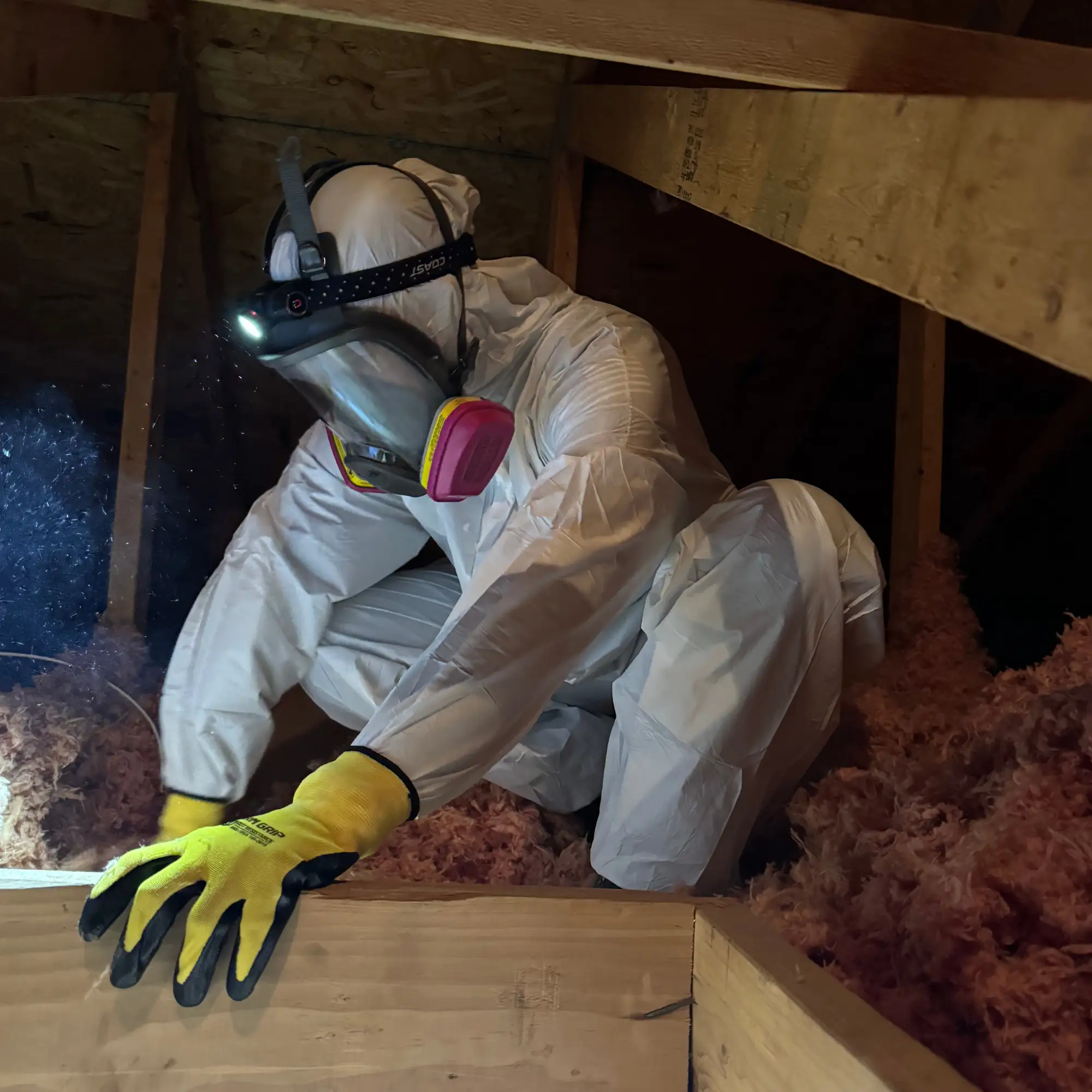
What attic insulation costs by material and R-value in PA and NJ, what air sealing adds, and the utility rebates that can cover part of the job.
Read MoreWhat furnace replacement costs in PA and NJ, what changes the price (size, efficiency, venting, ductwork), and which rebates and financing can offset it.
Read MoreWhat a heat pump costs to install in PA and NJ: price ranges by system type and size, what drives the quote, and the rebates and financing available.
Read MoreCompare heat pumps and gas furnaces on upfront cost, running cost, comfort and rebates for Philadelphia and New Jersey homes - with a clear verdict.
Read MoreHow a heat pump moves heat instead of making it, what changes in winter, and why cold-climate models keep working in Philadelphia and New Jersey.
Read MoreThe safe way to clean and deodorize a garbage disposal, what never to put down it, and the habits that keep your kitchen drain from clogging.
Read MoreTankless water heater costs in PA and NJ - unit, venting and gas line upgrades - plus the payback math versus a standard tank water heater.
Read MoreWhat a new water heater costs in PA and NJ: tank vs tankless, gas vs electric, permits and code upgrades, and how to keep the install price down.
Read MoreA plain-English guide to heat pumps: how they heat and cool, what they cost to run, and whether one makes sense in the Philadelphia and NJ climate.
Read More