

5 minute read · Dec 26, 2025
What Does a Mini Split System Look Like Installed in a Home?
Ductless mini splits are a great way to heat and cool your home, but you may be wondering, what will it look like once it’s installed?
Read MoreTankless water heater costs in PA and NJ - unit, venting and gas line upgrades - plus the payback math versus a standard tank water heater.
A tankless water heater costs $2,638 on average, within a typical range of $1,404 to $3,901 installed (Angi, 2026). Roughly half of that is labor: installation runs $600 to $1,850, and a conversion from a tank takes about twice as long as a like-for-like tank swap because the water lines, gas supply and venting all have to be reworked.
Whether it is worth it depends less on the price than on why you want one. If the goal is a lower gas bill, the maths is modest. If the goal is never running out of hot water, a 20-year service life and a reclaimed corner of the basement, the case is much stronger. Both are covered honestly below.
| Item | Typical cost | Source |
|---|---|---|
| Tankless water heater, installed average | $2,638 (range $1,404 to $3,901) | Angi, 2026 |
| Tankless replacement, as part of water heater work | $1,400 to $3,900 | Angi, 2026 |
| Labor | $600 to $1,850 | Angi, 2026 |
| Gas unit, 120 to 140 BTU (1 to 2 bedrooms) | $500 to $1,200 equipment | Angi, 2026 |
| Gas unit, 180 to 200+ BTU (5 or more people) | $900 to $2,200 equipment | Angi, 2026 |
| Electric unit, 10 to 24 kW | $210 to $630 equipment | Angi, 2026 |
| Electric unit, 27 to 36 kW | $420 to $800 equipment | Angi, 2026 |
| Single-point (under-sink) unit | $100 to $300 each | Angi, 2026 |
| Permits | $50 to $100 | Angi, 2026 |
| Electrical service work, where required | $200 to $400 | Angi, 2026 |
| Repair, once installed | $100 to $1,300 | Angi, 2026 |
Those are national survey figures rather than Synergy3 Home Solution prices. We do not publish a price list for this work, because the cost of a tankless conversion is decided by things that only show up on a site visit: where the unit can be mounted, how the venting will run, and whether the existing gas line can feed it.
This choice sets the rest of the quote, because it decides whether the work is mostly gas and venting or mostly electrical.
More expensive as equipment, and what most Philadelphia and New Jersey homes end up with, because a single unit can supply a whole house. The costs that come with it are venting and gas line capacity.
Cheaper as equipment but demanding on the panel. Whole-home electric models draw roughly 120 to 160 amps, which frequently means upgrading the service to 200 amps or more, and that upgrade can cost more than the heater.
Tankless units are sized by flow, not volume, so the calculation is different from picking a tank size. An average home needs 5.5 to 7.5 GPM to run multiple fixtures at once. Add up what you realistically use simultaneously: a conventional shower head is 4 to 6 GPM, an efficient one 2 to 3, a faucet 1 to 2, a washing machine 2 to 2.5, a dishwasher 1.5 to 2. Undersizing here is the most common cause of disappointment.
Gas tankless units vent differently from tank heaters, usually through a dedicated stainless or PVC vent to an exterior wall rather than into a chimney. In a rowhome with party walls on both sides, finding that path is where the labor goes.
A tankless unit fires at a much higher input rate than a tank heater, so an existing half-inch line often cannot feed it. Resizing the gas line is common and is priced separately.
The unit moves from the floor to a wall, so supply and return lines have to be rerouted. This is the main reason a conversion takes roughly twice the labor of a tank replacement.
Hard water scales the heat exchanger, and scale is the leading cause of premature tankless failure. Manufacturers expect annual descaling, and many installations include isolation valves to make it possible. A pressure regulator, at $250 to $350, is a related item worth having where incoming pressure is high.
Philadelphia requires a plumbing permit for water heater work, and gas and venting work is inspected. Township requirements vary across New Jersey.
ENERGY STAR estimates that a certified whole-home gas tankless water heater saves a family of four about $95 a year on gas bills compared with a standard gas storage heater, or roughly $1,800 over its lifetime. Against a conventional gas tankless model, the certified version saves about $20 a year.
Set that against a price difference of roughly $1,500 to $2,500 over a tank replacement, and the value case gets harder and the energy saving alone does not pay the premium back quickly. What does change the calculation is service life: ENERGY STAR gives certified gas tankless units a 20-year life expectancy, against 8 to 12 years for a typical gas tank. Over 20 years you buy one tankless unit or roughly two tanks, and the comparison looks very different.
So the fair summary is this. The benefits worth switching for are endless hot water, the longer lifespan and the reclaimed floor space. Do not switch expecting the gas bill alone to justify it. If your household is smaller and your hot water use is light, a tank remains the better value.
The question that exposes a thin bid fastest: what GPM did you size this to, and at what temperature rise? Incoming water here is cold in winter, and a unit rated at a mild temperature rise will disappoint in January.
Claim both rebates if you can. PECO pays $400 for an ENERGY STAR natural gas tankless water heater, with the application due within 90 days of purchase or installation. PGW EnergySense also pays $400 for an ENERGY STAR tankless unit, rising to $700 for income-qualified customers under Affordable EnergySense, with the program running through 31 August 2027 on a first-come, first-served basis.
In New Jersey, check the state program. New Jersey's Clean Energy Program runs water heating incentives and 0% financing tied to a home energy assessment. Confirm current terms directly with the program.
There is no federal tax credit in 2026. The 25C Energy Efficient Home Improvement Credit ended for property placed in service after December 31, 2025. Pennsylvania's state Home Energy Rebates have not launched either; as of May 2026 the Department of Environmental Protection was still awaiting federal approval.
Do the conversion when the tank is due anyway. Converting during a planned replacement means paying the difference rather than paying twice.
Size it correctly rather than generously. Oversizing costs money up front and delivers nothing you will notice.
Spread the payment. Synergy3 Home Solutions offers financing with approved credit, including 0% options, and a 365-day guarantee.
Two local realities shape most tankless quotes here.
The first is venting in rowhomes. A gas tankless unit needs its own vent run to an exterior wall, and in a house with party walls on both sides and a finished basement, that route is not always short. It is the most common reason a Philadelphia tankless quote lands above the national average.
The second is gas line capacity. Rowhomes and older twins frequently run half-inch gas piping that was adequate for a tank heater and is not adequate for a unit firing at 180,000 BTU or more. Resizing that run is normal work, and a quote that does not mention it has probably not looked.
Winter incoming water temperature matters too. A tankless unit's usable flow depends on how much it has to raise the temperature, and January water in this region is cold. A unit sized on a manufacturer's headline GPM figure rather than on a local temperature rise will feel underpowered exactly when you notice it most.
In South and Central New Jersey, garage and utility-room installations usually give more room for venting and mounting, which tends to keep conversions at the lower end of the labor range.
Synergy3 Home Solutions has been installing and servicing these systems across the region since 2006. See Tankless Water Heaters for how we size and install them.
The only way to know whether a tankless conversion makes sense for your house is to have a professional look at the gas line, the venting route, the electricity supply and your actual hot water demand. Get in touch with Synergy3 Home Solutions. We are family-run out of Philadelphia, with 20 years in the trade, a 4.9-star rating, and 500+ Google reviews. Our hours are Monday to Friday 7:00 am to 7:00 pm and Saturday 7:00 am to 3:00 pm during peak season, with same-day service available on most calls.
$2,638 on average, within a range of $1,404 to $3,901 installed, per Angi's 2026 data. Labor accounts for $600 to $1,850 of that. Converting from a tank costs more than replacing an existing tankless unit, because the water lines, gas supply and venting all have to be reworked.
Four real ones. The upfront cost is roughly double a tank replacement. Flow is finite, so an undersized unit will not run two showers and a dishwasher at once. Hard water scales the heat exchanger, so annual descaling is not optional. And whole-home electric models draw 120 to 160 amps, which often forces an electrical service upgrade. None of those are dealbreakers, but all four should be priced before you commit.
Square footage is the wrong measure; simultaneous demand is the right one. A household needing 5.5 to 7.5 GPM typically lands on a gas unit in the $900 to $2,200 equipment range plus $600 to $1,850 labor, putting the installed total in the middle to upper part of the $1,404 to $3,901 band. A large family running several fixtures at once may need a higher-output unit or two units in parallel.
Not for 2026 installations. The 25C Energy Efficient Home Improvement Credit, which covered qualifying water heaters, ended for property placed in service after December 31, 2025. If your unit was installed and placed in service by that date, you may still claim it on your 2025 return. Utility rebates from PECO and PGW are still available and are the practical route now.
ENERGY STAR gives certified gas tankless units a 20-year life expectancy, and Angi's data agrees at 20 years or more, against 8 to 12 years for a typical gas tank. That gap is the strongest financial argument for tankless, stronger than the annual energy saving.
They save some. ENERGY STAR puts it at about $95 a year for a family of four against a standard gas storage heater, or roughly $1,800 across the unit's life. That is a genuine saving but it will not repay the price premium quickly on its own. The saving plus the doubled service life plus never running out of hot water is the case; energy savings alone is not.
Ductless mini splits are a great way to heat and cool your home, but you may be wondering, what will it look like once it’s installed?
Read More
Keep your heat pump running efficiently year-round with these essential maintenance tips every homeowner should know.
Read More
Explore the pros and cons of ductless and central HVAC systems to find the best fit for your home and lifestyle.
Read More
Discover practical steps to enhance the air quality in your home for a healthier and more comfortable living environment.
Read MoreGet your HVAC system ready for every season with this comprehensive checklist to ensure optimal performance year-round.
Read MoreLower your energy bills and reduce your carbon footprint with these practical HVAC energy-saving strategies.
Read MoreFind a reliable and professional HVAC contractor with these essential tips for homeowners.
Read MoreA plumber-approved way to clear a clogged sink, tub, or shower drain — and the warning signs that mean it’s time to put the plunger down.
Read MoreWater pooling around your indoor AC unit usually traces back to one of five causes. Here’s how to tell which one you have and what to do next.
Read MoreFrom a thermostat set to ON to a tripped safety switch, here are the six most common reasons a furnace blows cold air — and which fixes are safe to try.
Read MoreAn annual flush clears out the sediment that shortens a water heater’s life. Here’s the full process, from shutting off power to refilling the tank.
Read MoreA room-by-room fall checklist that gets Philadelphia and South Jersey heating systems ready before the first cold night — most of it in one weekend.
Read MoreThat constant refill sound is water running onto your bill. Five quick checks inside the tank fix most running toilets — no special tools needed.
Read MoreOne burst pipe can flood a basement in minutes. Here’s how Delaware Valley homeowners can prevent freezes — and thaw a frozen line without making it worse.
Read MoreIf your home feels sticky at 72°F, your AC may be cooling without dehumidifying. Here’s what drives indoor humidity in our region and how to fix it.
Read MoreA boiler rarely warns you before it fails for good. Here’s how to catch the signs early, what a new one costs, and what installation day looks like.
Read More
Moving into a new home in Princeton, West Windsor, or Plainsboro is exciting, but it also comes with a long list of systems to understand. One of the most important is your heating and cooling equipment.
Read MoreAir conditioner running but not cooling? Check the filter, thermostat, breaker, outdoor unit and refrigerant signs - and know when to call a technician.
Read MoreAC replacement cost explained: system size, SEER rating, ductwork and labor, plus what a rowhome retrofit adds. Rebates and financing options included.
Read More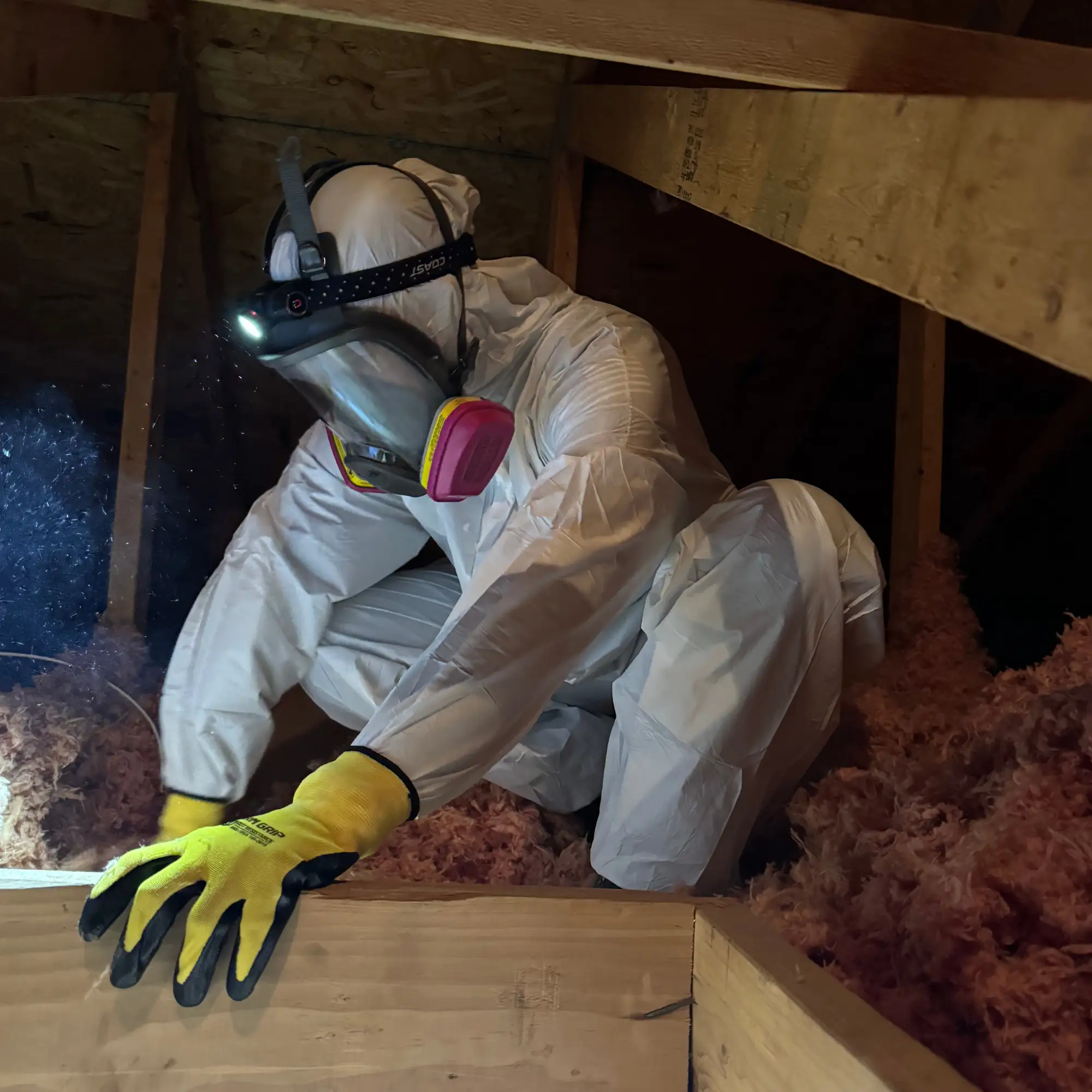
What attic insulation costs by material and R-value in PA and NJ, what air sealing adds, and the utility rebates that can cover part of the job.
Read MoreWhat furnace replacement costs in PA and NJ, what changes the price (size, efficiency, venting, ductwork), and which rebates and financing can offset it.
Read MoreHumming, jammed or completely dead? Reset, unjam and troubleshoot a garbage disposal safely - and learn when replacement beats another repair.
Read MoreWhat a heat pump costs to install in PA and NJ: price ranges by system type and size, what drives the quote, and the rebates and financing available.
Read MoreCompare heat pumps and gas furnaces on upfront cost, running cost, comfort and rebates for Philadelphia and New Jersey homes - with a clear verdict.
Read MoreHow a heat pump moves heat instead of making it, what changes in winter, and why cold-climate models keep working in Philadelphia and New Jersey.
Read MoreThe safe way to clean and deodorize a garbage disposal, what never to put down it, and the habits that keep your kitchen drain from clogging.
Read MoreWhat a new water heater costs in PA and NJ: tank vs tankless, gas vs electric, permits and code upgrades, and how to keep the install price down.
Read MoreA plain-English guide to heat pumps: how they heat and cool, what they cost to run, and whether one makes sense in the Philadelphia and NJ climate.
Read More