
5 minute read · Dec 26, 2025
What Does a Mini Split System Look Like Installed in a Home?
Ductless mini splits are a great way to heat and cool your home, but you may be wondering, what will it look like once it’s installed?
Read MoreOne burst pipe can flood a basement in minutes. Here’s how Delaware Valley homeowners can prevent freezes — and thaw a frozen line without making it worse.

The Philadelphia area's freeze-thaw winters are rough on plumbing: a stretch of mild days lulls everyone, then a single-digit night finds every uninsulated pipe in the house. Rowhome basements, crawl spaces, garage ceilings, and pipes on exterior walls are the usual victims. Water expands about 9% when it freezes, and that pressure is what splits copper and PVC alike — so the best time to deal with frozen pipes is before the cold arrives.
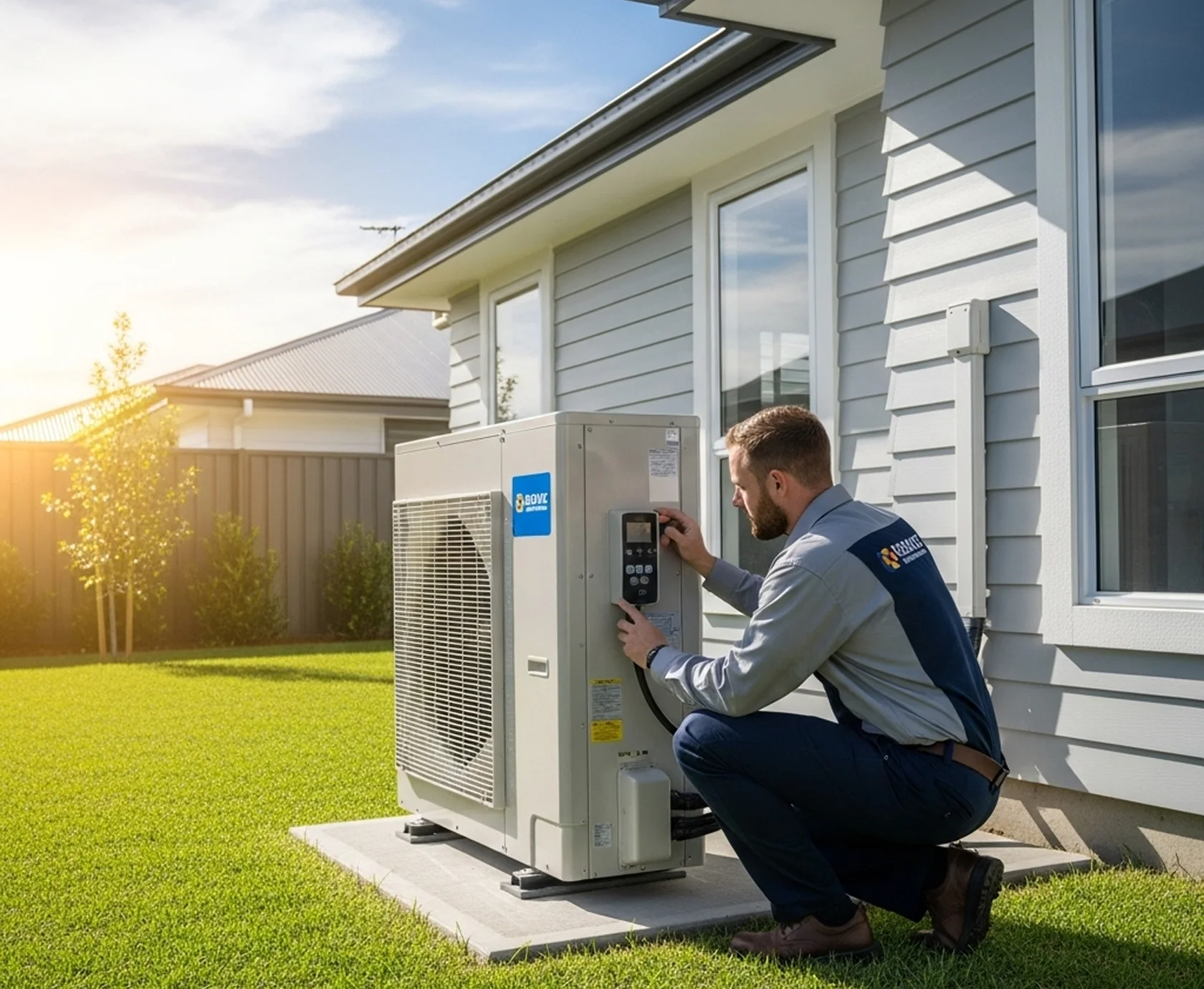
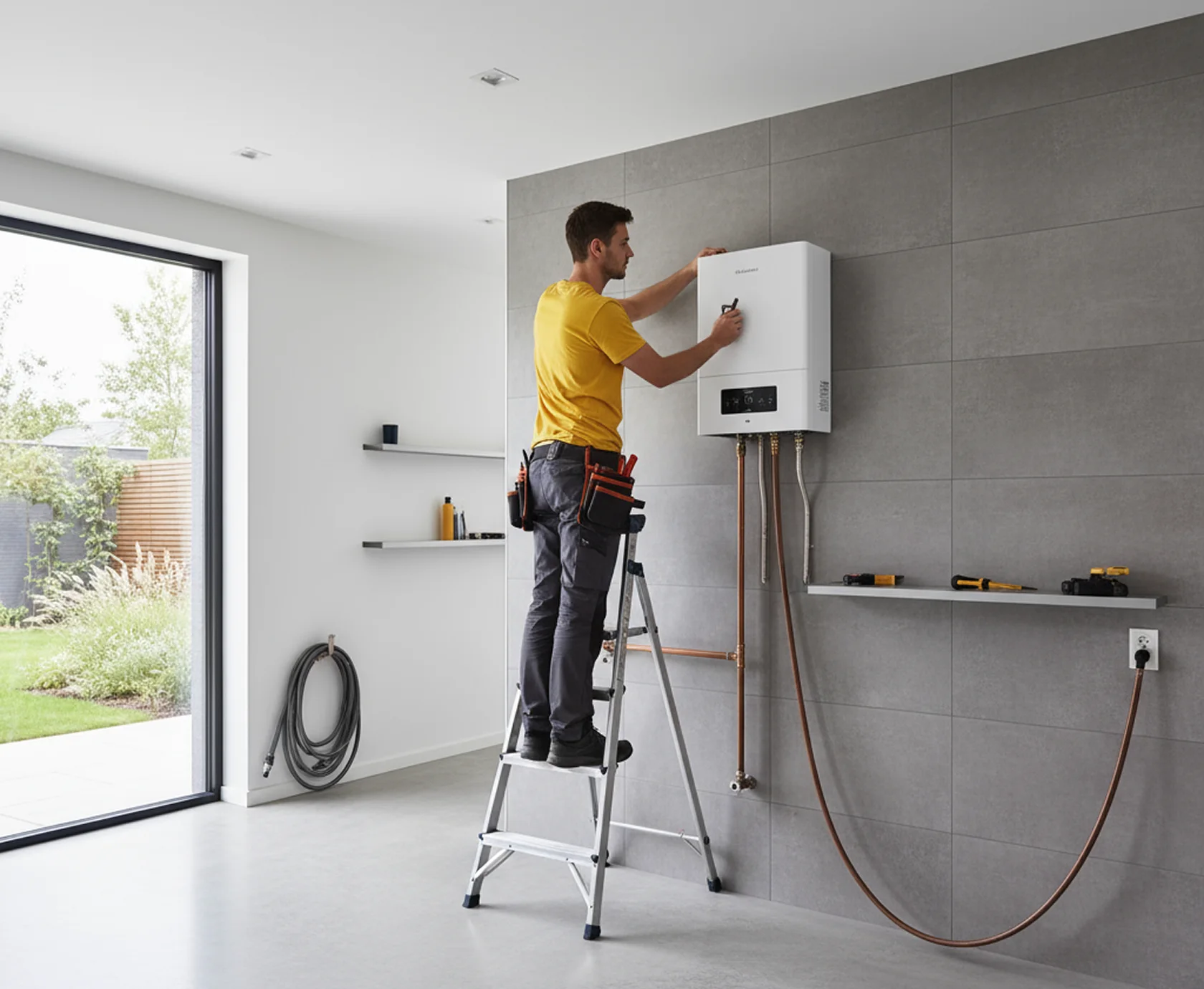
If a pipe has already burst, close the main shutoff and call a licensed plumber immediately. You should also hand things off when the frozen section is inside a wall or ceiling, when the whole house has no water, or when a pipe freezes repeatedly every winter — that's a symptom of an insulation or routing problem worth fixing permanently. And never try to thaw pipes with open flame or an unattended space heater; we see the aftermath of both every winter.
While you're winterizing the basement anyway, it's a good moment for one more piece of cold-weather prep: our guide on how to flush a water heater takes an afternoon and helps your tank survive the heating season.
Exposed pipes are at risk once outdoor temperatures hold around 20°F or below. Pipes inside exterior walls or unheated spaces can freeze on single-digit nights even while the house itself stays warm.
On the coldest nights, yes — a slow drip from faucets served by exterior-wall or unheated-space pipes keeps water moving and relieves pressure. The small amount of water used is cheap insurance.
Warning signs include no water at a fixture plus the sound of running water when everything is off, damp drywall, or new stains. Shut off the main valve and call a plumber before thawing further.
Ductless mini splits are a great way to heat and cool your home, but you may be wondering, what will it look like once it’s installed?
Read More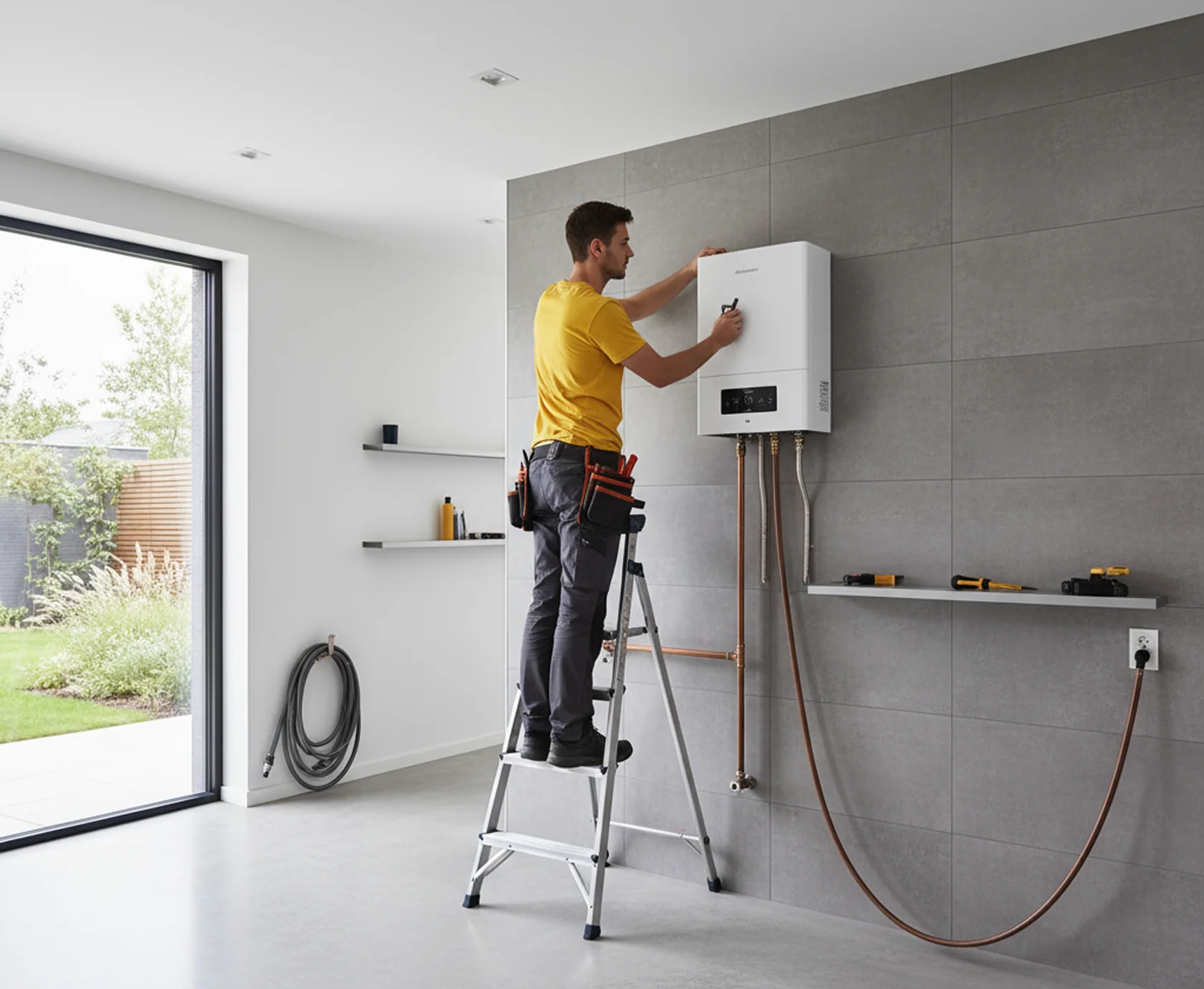
Keep your heat pump running efficiently year-round with these essential maintenance tips every homeowner should know.
Read More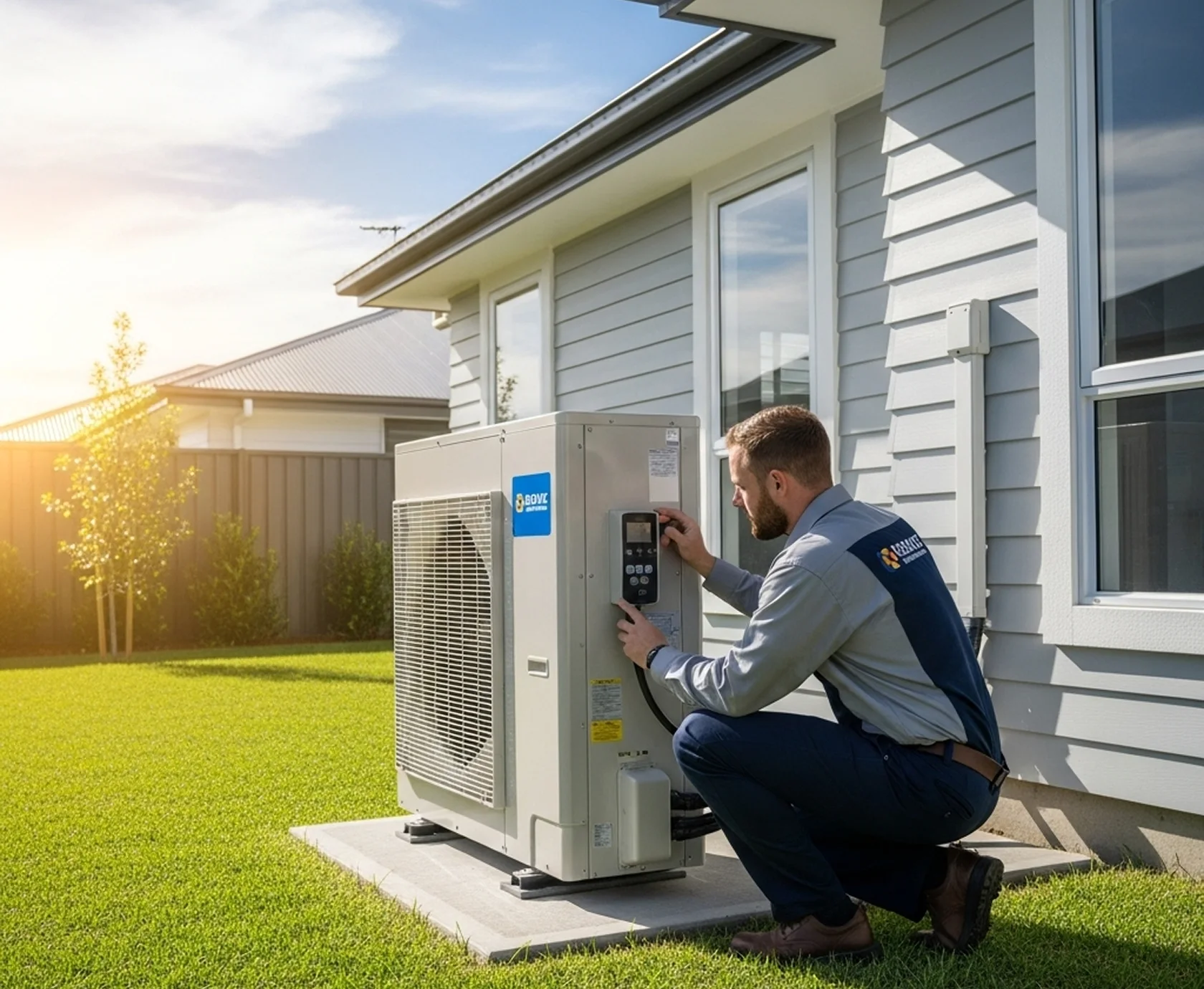
Explore the pros and cons of ductless and central HVAC systems to find the best fit for your home and lifestyle.
Read More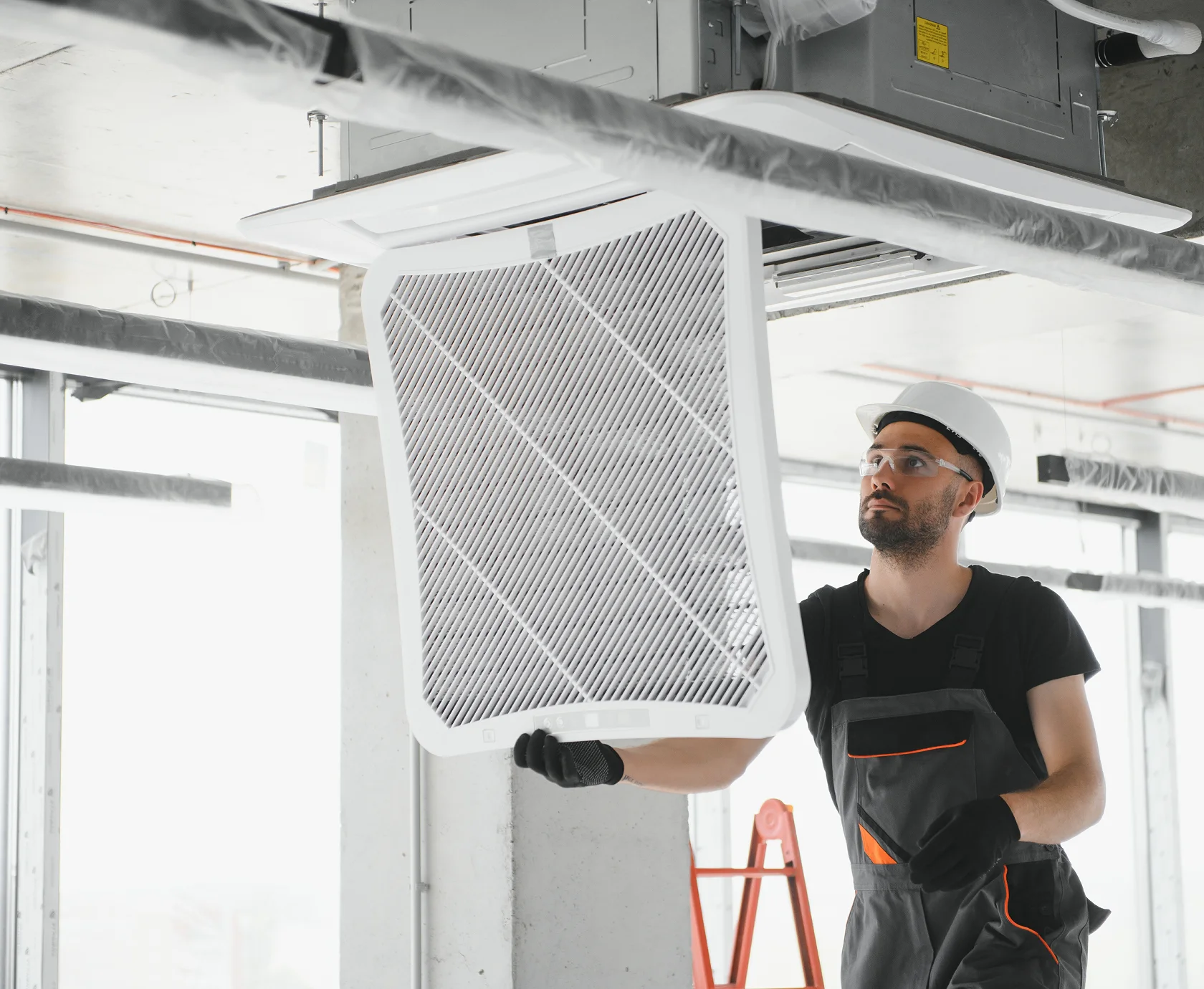
Discover practical steps to enhance the air quality in your home for a healthier and more comfortable living environment.
Read MoreGet your HVAC system ready for every season with this comprehensive checklist to ensure optimal performance year-round.
Read MoreLower your energy bills and reduce your carbon footprint with these practical HVAC energy-saving strategies.
Read MoreFind a reliable and professional HVAC contractor with these essential tips for homeowners.
Read MoreA plumber-approved way to clear a clogged sink, tub, or shower drain — and the warning signs that mean it’s time to put the plunger down.
Read MoreWater pooling around your indoor AC unit usually traces back to one of five causes. Here’s how to tell which one you have and what to do next.
Read MoreFrom a thermostat set to ON to a tripped safety switch, here are the six most common reasons a furnace blows cold air — and which fixes are safe to try.
Read MoreAn annual flush clears out the sediment that shortens a water heater’s life. Here’s the full process, from shutting off power to refilling the tank.
Read MoreA room-by-room fall checklist that gets Philadelphia and South Jersey heating systems ready before the first cold night — most of it in one weekend.
Read MoreThat constant refill sound is water running onto your bill. Five quick checks inside the tank fix most running toilets — no special tools needed.
Read MoreIf your home feels sticky at 72°F, your AC may be cooling without dehumidifying. Here’s what drives indoor humidity in our region and how to fix it.
Read MoreA boiler rarely warns you before it fails for good. Here’s how to catch the signs early, what a new one costs, and what installation day looks like.
Read More
Moving into a new home in Princeton, West Windsor, or Plainsboro is exciting, but it also comes with a long list of systems to understand. One of the most important is your heating and cooling equipment.
Read MoreAir conditioner running but not cooling? Check the filter, thermostat, breaker, outdoor unit and refrigerant signs - and know when to call a technician.
Read MoreAC replacement cost explained: system size, SEER rating, ductwork and labor, plus what a rowhome retrofit adds. Rebates and financing options included.
Read More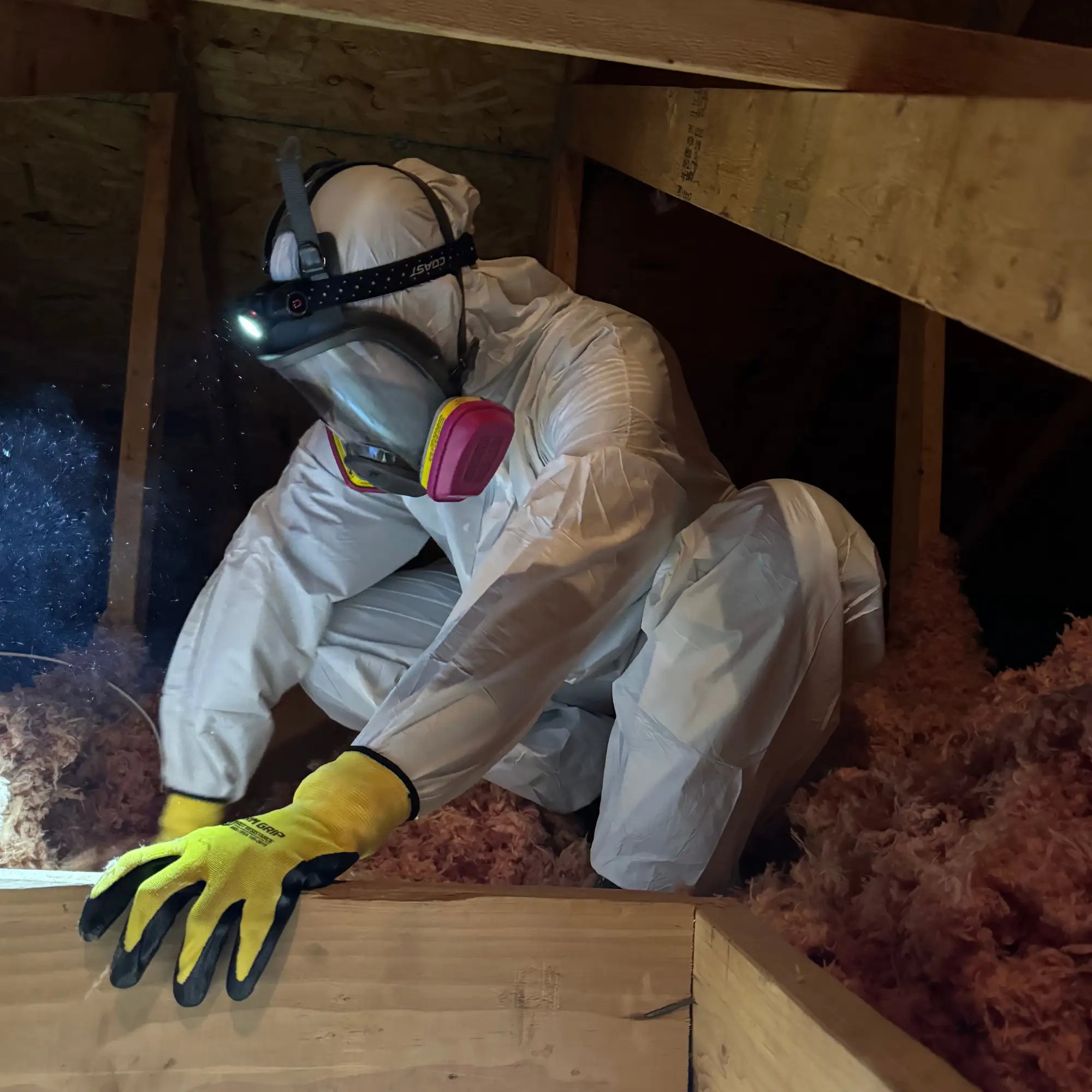
What attic insulation costs by material and R-value in PA and NJ, what air sealing adds, and the utility rebates that can cover part of the job.
Read MoreWhat furnace replacement costs in PA and NJ, what changes the price (size, efficiency, venting, ductwork), and which rebates and financing can offset it.
Read MoreHumming, jammed or completely dead? Reset, unjam and troubleshoot a garbage disposal safely - and learn when replacement beats another repair.
Read MoreWhat a heat pump costs to install in PA and NJ: price ranges by system type and size, what drives the quote, and the rebates and financing available.
Read MoreCompare heat pumps and gas furnaces on upfront cost, running cost, comfort and rebates for Philadelphia and New Jersey homes - with a clear verdict.
Read MoreHow a heat pump moves heat instead of making it, what changes in winter, and why cold-climate models keep working in Philadelphia and New Jersey.
Read MoreThe safe way to clean and deodorize a garbage disposal, what never to put down it, and the habits that keep your kitchen drain from clogging.
Read MoreTankless water heater costs in PA and NJ - unit, venting and gas line upgrades - plus the payback math versus a standard tank water heater.
Read MoreWhat a new water heater costs in PA and NJ: tank vs tankless, gas vs electric, permits and code upgrades, and how to keep the install price down.
Read MoreA plain-English guide to heat pumps: how they heat and cool, what they cost to run, and whether one makes sense in the Philadelphia and NJ climate.
Read More