

8 minute read · Dec 26, 2025
What Does a Mini Split System Look Like Installed in a Home?
Ductless mini splits are a great way to heat and cool your home, but you may be wondering, what will it look like once it’s installed?
Read MoreLower your energy bills and reduce your carbon footprint with these practical HVAC energy-saving strategies.

Heating and cooling is the largest single line in most household energy budgets, and there are more ways to reduce it than most homeowners expect, and in the Philadelphia and South Jersey climate it gets hit from both directions - humid summers that keep an air conditioner running for weeks and winters cold enough to run a furnace for months. The good news is that the biggest savings usually come from the cheapest changes: the filter, the thermostat, the ducts and the envelope, in that order.
Almost everything below is homeowner work. The two things that are not - refrigerant charge and anything inside a gas appliance - are flagged where they come up.
Installing a programmable or smart thermostat can significantly reduce energy consumption. Set temperatures lower when you're away or sleeping, and let automation handle the rest. The US Department of Energy puts a number on it: turning the thermostat back 7 to 10 degrees for eight hours a day can save around 10 percent a year on heating and cooling, and an ENERGY STAR certified smart thermostat will hold that schedule for you. The saving comes from the setback itself, not from the device - a basic programmable model that is actually programmed beats an expensive one left on hold.
Two caveats matter locally. First, a heat pump should not get a deep setback. Recovering from a large drop can pull in the electric backup heat strips, which cost far more to run than the heat pump, so keep the swing to a couple of degrees unless the thermostat is a heat-pump-aware model that manages recovery itself. Second, setting the temperature far past your target does not heat or cool the house faster. The system runs at one speed regardless; all you do is overshoot and pay for it.
A well-maintained HVAC system runs more efficiently. Clean or replace filters monthly, seal duct leaks, and schedule annual professional inspections to keep your system running at peak performance.
The filter is the highest-return two minutes in the house. A clogged filter starves the blower for air, which makes the equipment run longer for the same result and, in cooling season, can drop the indoor coil below freezing and ice it over - at which point the system runs continuously and cools nothing. Change one-inch pleated filters every one to three months and four-to-six-inch media filters every six to twelve. Higher MERV ratings filter more but also restrict more, so on an older system stay with what the equipment was designed for rather than the highest number on the shelf.
The professional side of maintenance is about measurements you cannot take yourself: refrigerant charge, airflow across the coil, amp draw and combustion efficiency. A system running 15 percent low on charge still cools, just slowly and expensively, and there is no way to see that from the thermostat.
Before changing anything, it helps to learn which part of the house is spending the money. Heating and cooling is the largest share of a typical energy bill, and the rest is split between the water heater, the refrigerator and the other appliances that run whether you think about them or not. That matters because the two lists of fixes are different: HVAC savings come from equipment, ductwork and thermostats, while appliance savings come from habits.
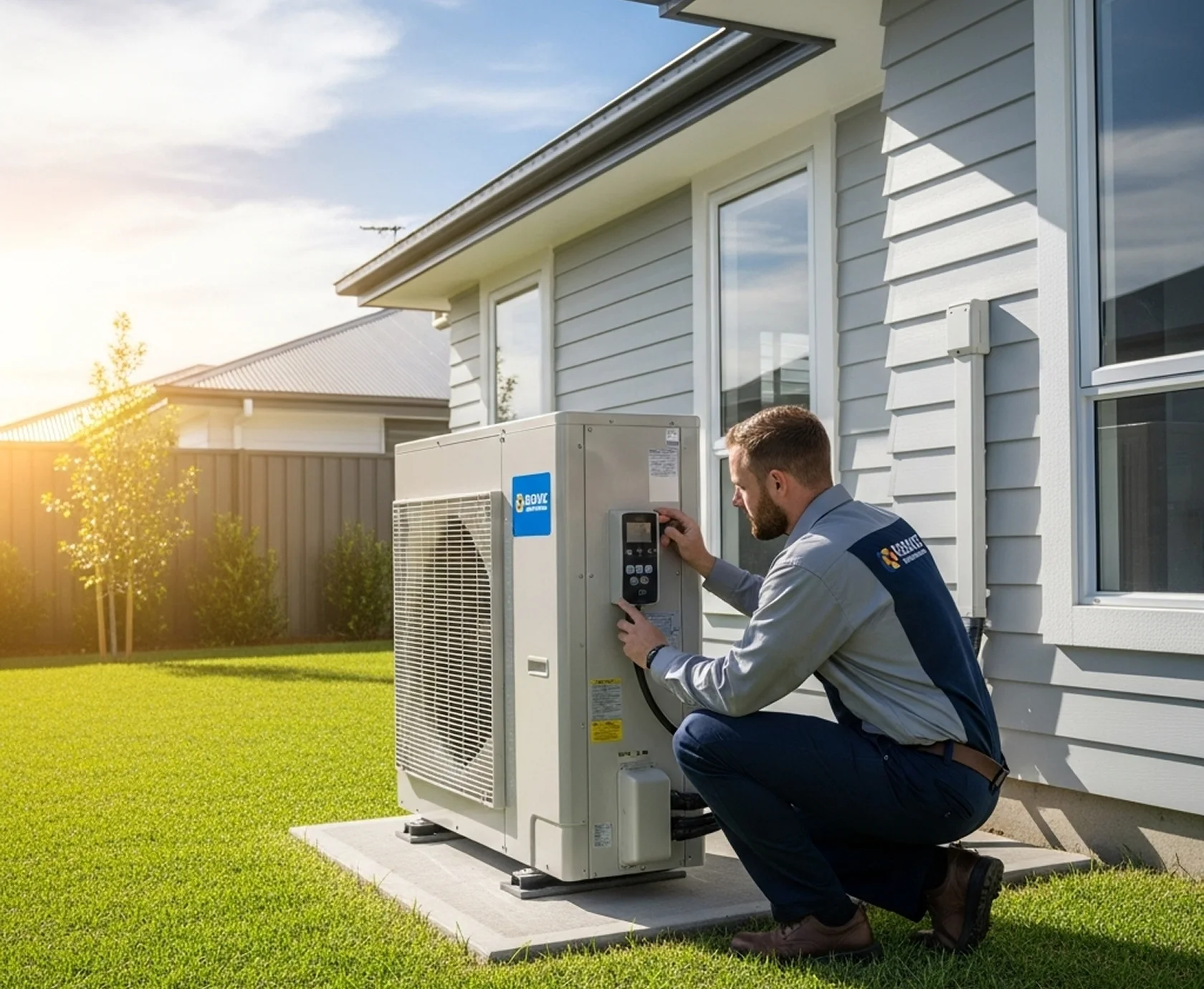
Both your gas and electric utilities publish usage information for your own account, and most offer free resources - bill analysis tools, rebate lists and seasonal tips - that show which months drive your yearly total. In this region that pattern is predictable: a summer peak from central air conditioners running against high dew points, and a winter peak from the furnace. Knowing which of the two is bigger tells you where to invest first instead of spreading effort evenly.
In a typical house, 20 to 30 percent of the air moving through the duct system is lost to leaks, holes and badly connected joints, according to ENERGY STAR. In the row homes and older twins around Philadelphia, ducts often run through unconditioned basements, crawl spaces and attics, which means that lost air is heating or cooling space no one lives in.
Accessible joints can be sealed by a homeowner with mastic or foil-backed tape - never cloth duct tape, which dries out and lets go within a couple of years. Seal every seam you can reach, then insulate duct runs in unconditioned space. Sealing what is hidden inside walls and ceilings needs a pressure test to find, which is part of a whole-home energy audit rather than a weekend job.
Seal windows and doors to prevent air leaks. Weatherstripping and a tube of caulk are inexpensive, but the leaks that actually drive the bill are usually invisible from inside the room: the attic hatch, recessed lights, plumbing and wiring penetrations, the rim joist in the basement and the gap where the chimney passes through the ceiling. Warm air rises and escapes through the top of the house, pulling cold air in at the bottom - which is why a drafty first floor is often an attic problem.
Insulation and air sealing work together, and doing them in the wrong order wastes money: blowing insulation over an unsealed attic floor buries the leaks without stopping them. Our BPI-certified building crews handle both, and the insulation services page explains how an audit identifies which one your house needs first.
Use ceiling fans to improve air circulation. A fan cools people, not rooms - it works by moving air across skin, which is why a fan left running in an empty room is pure cost. Used with someone in the room, it lets you hold the thermostat a few degrees higher in summer for the same comfort. Run the blades counterclockwise in summer to push air down, and clockwise on low in winter to pull cool air up and push warm air off the ceiling back down the walls.
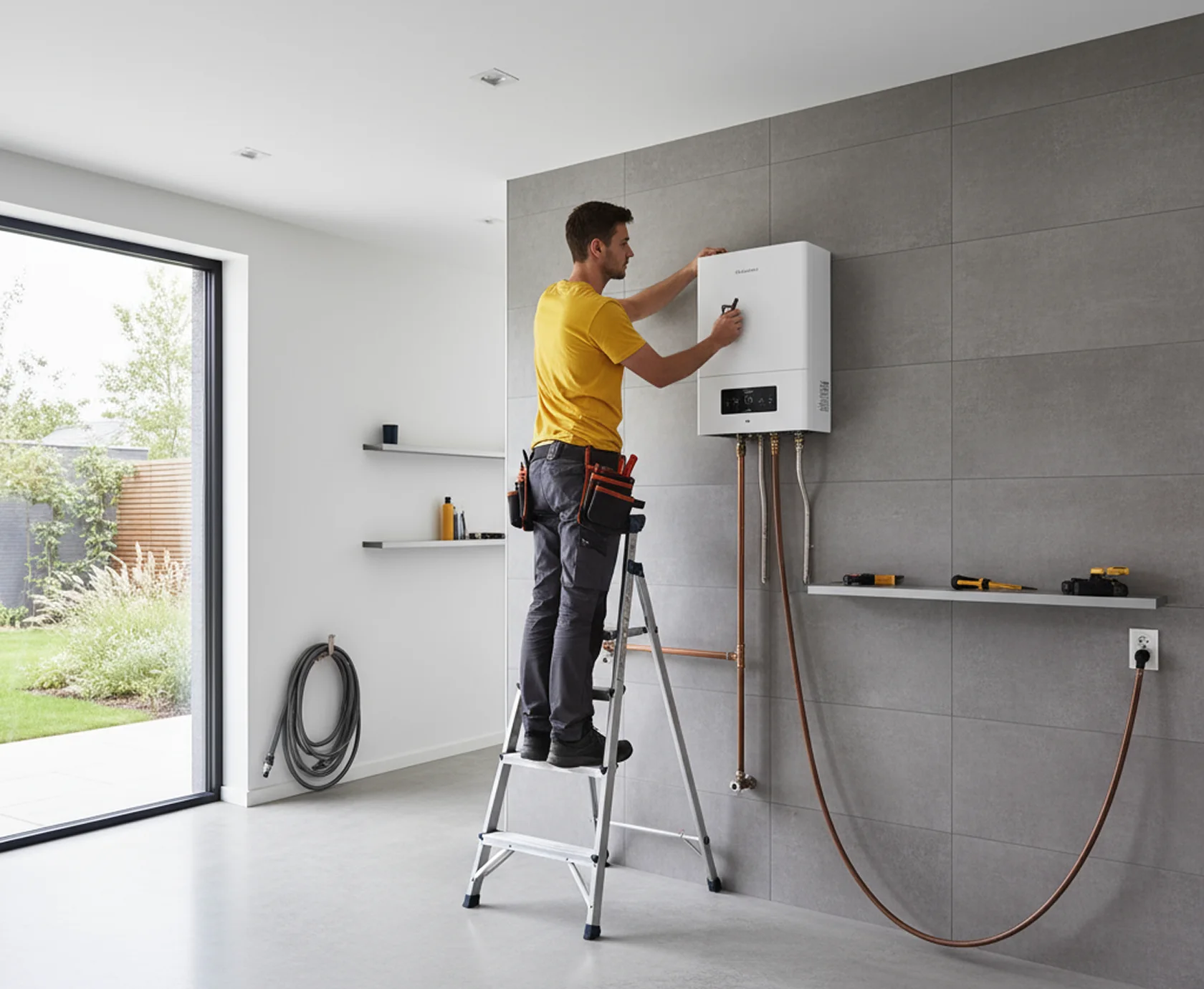
A few changes cost nothing and work in every house, so they are the ones to start with today:
Not every measure suits every house, so it is worth deciding in what order to spend. Air sealing and insulation are almost always the cheapest way to increase comfort, ductwork is next in a home with forced air, and new equipment is the largest investment and the one that depends on the other two to deliver what it promises.
There is a point where no amount of habit change helps. A system at 15 to 20 years old, or one that needs refrigerant every season, is costing money continuously. Efficiency is rated as SEER2 for cooling and AFUE for a gas furnace; replacing a 1990s furnace running around 70 percent AFUE with a modern condensing unit at 95 percent or better changes the fuel bill structurally, not marginally.
Sizing matters as much as the rating. An oversized air conditioner short-cycles, never runs long enough to remove humidity, and leaves a house that is cold and clammy at once, which is why correct sizing starts with a load calculation and not with the label on the old unit. Upfront pricing with good, better and best options makes the efficiency trade-off visible before you commit, financing is available with approved credit, and there is currently $1,000 off full system replacements. Our HVAC services page sets out what is involved.
Two funding notes for this area. Local utility rebates - PGW EnergySense in Philadelphia and PECO's programs - can offset part of the cost of high-efficiency equipment, and amounts and qualifying models change from year to year, so check the current terms before you choose equipment. The federal 25C energy efficient home improvement credit is a separate matter: it was closed for equipment placed in service after December 31, 2025, so do not count on it for a 2026 installation regardless of what older articles still say.
Filters, vents, ceiling fans, caulk, accessible duct joints and thermostat settings are homeowner work. Refrigerant is not - opening the sealed circuit requires EPA Section 608 certification under federal law, and low refrigerant means a leak that has to be found rather than topped up. Gas lines, burners, sealed combustion chambers and work at the electrical disconnect are service calls, as is anything still under manufacturer warranty, where a self-repair can void coverage on the rest of the system.
Synergy3 Home Solutions has been family-run in Philadelphia since 2006, with NATE-certified service technicians and BPI-certified building crews, a 4.9-star rating from more than 500 Google reviews, and service hours of Monday to Friday 7:00 am to 7:00 pm and Saturday 7:00 am to 3:00 pm.
Ductless mini splits are a great way to heat and cool your home, but you may be wondering, what will it look like once it’s installed?
Read More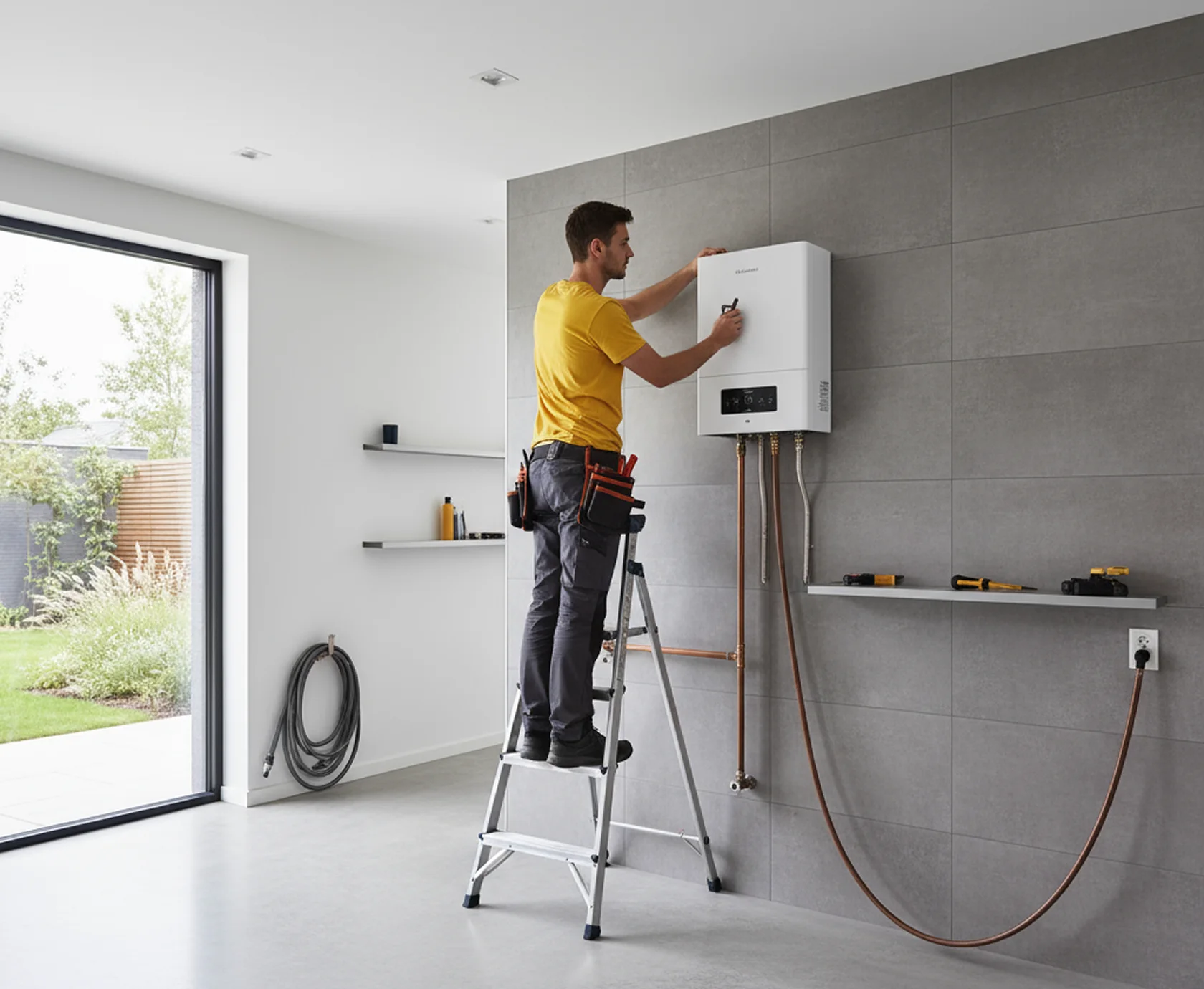
Keep your heat pump running efficiently year-round with these essential maintenance tips every homeowner should know.
Read More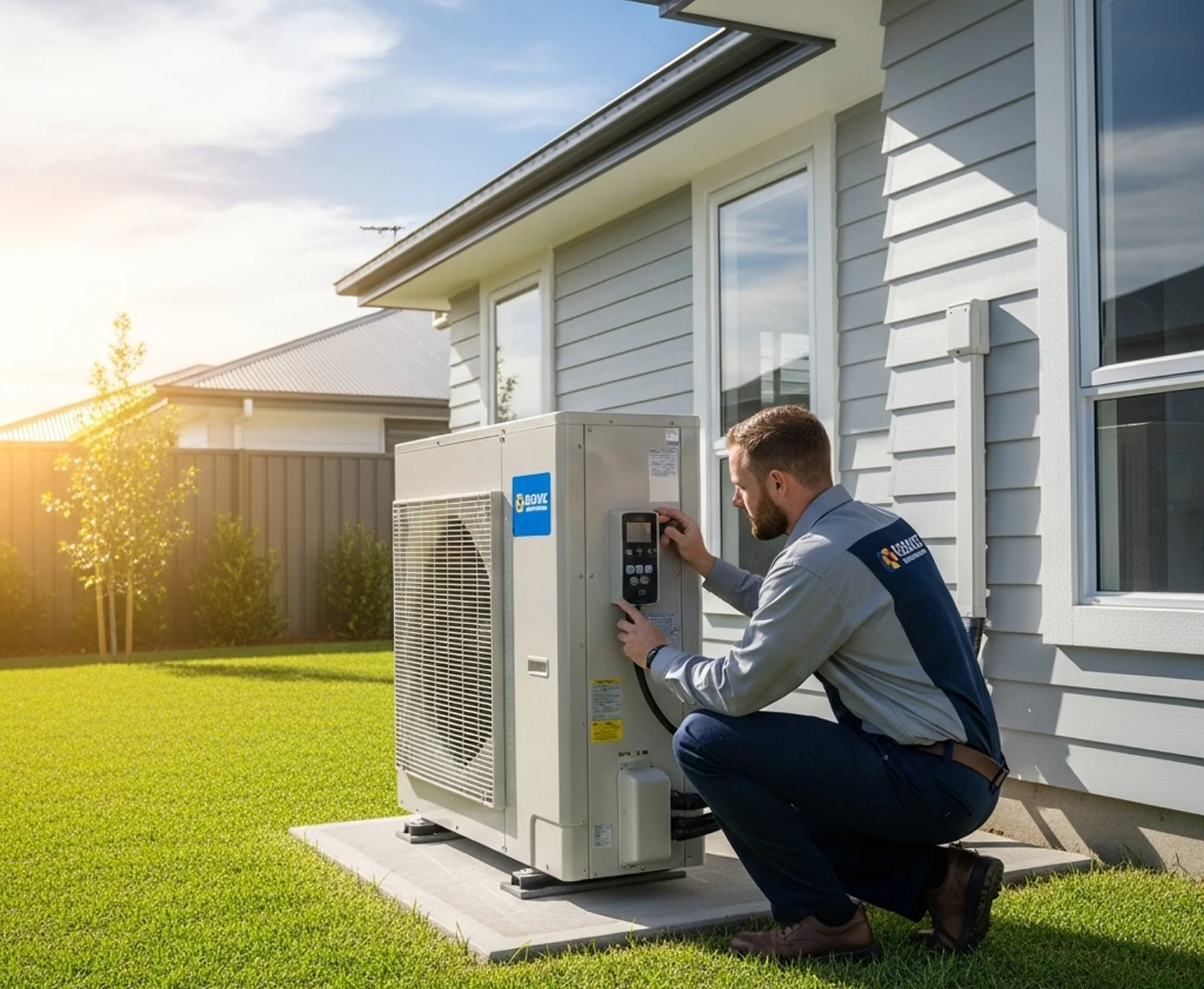
Explore the pros and cons of ductless and central HVAC systems to find the best fit for your home and lifestyle.
Read More
Discover practical steps to enhance the air quality in your home for a healthier and more comfortable living environment.
Read More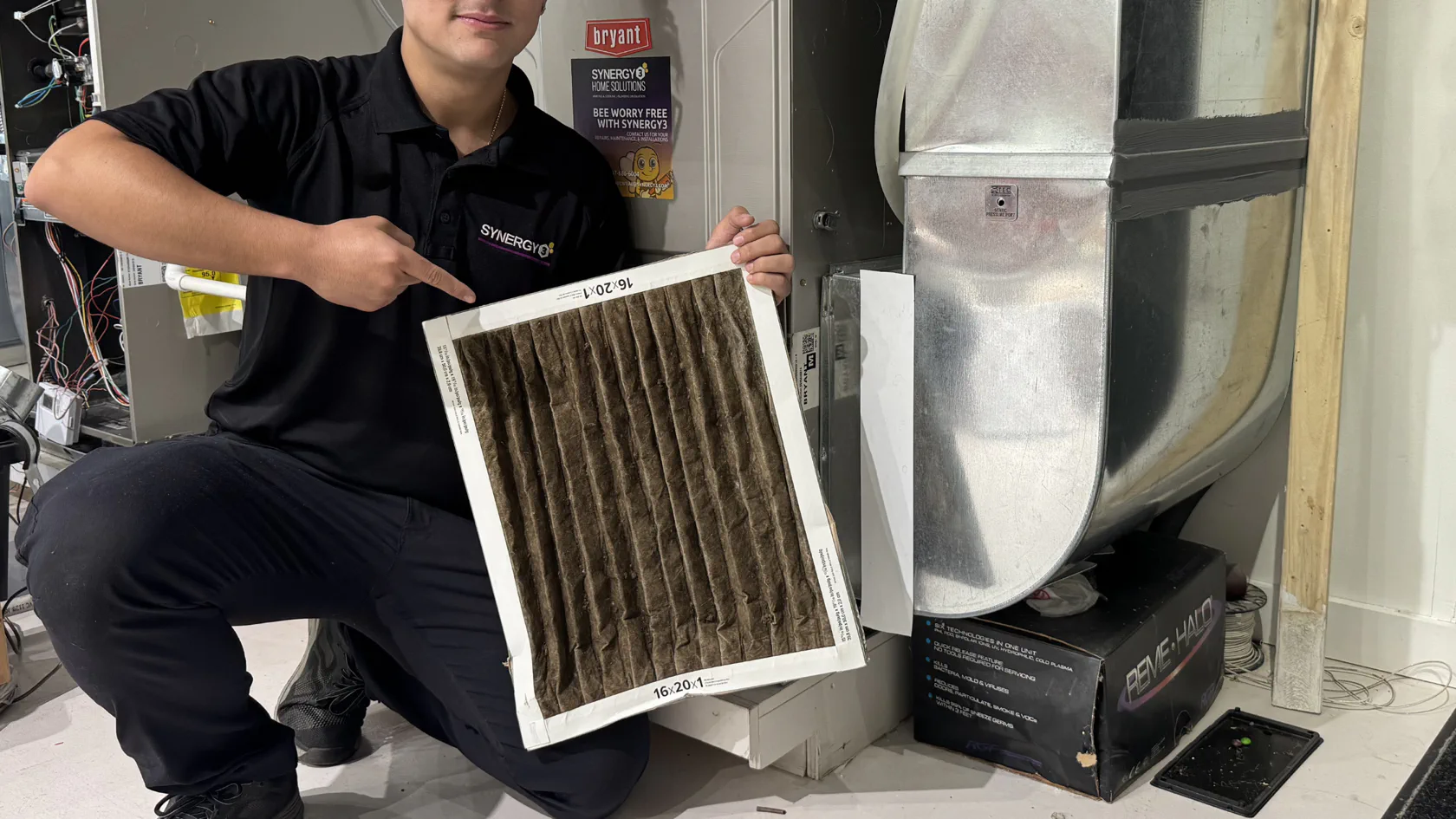
Get your HVAC system ready for every season with this comprehensive checklist to ensure optimal performance year-round.
Read More
Find a reliable and professional HVAC contractor with these essential tips for homeowners.
Read More
A plumber-approved way to clear a clogged sink, tub, or shower drain — and the warning signs that mean it’s time to put the plunger down.
Read More
Water pooling around your indoor AC unit usually traces back to one of five causes. Here’s how to tell which one you have and what to do next.
Read More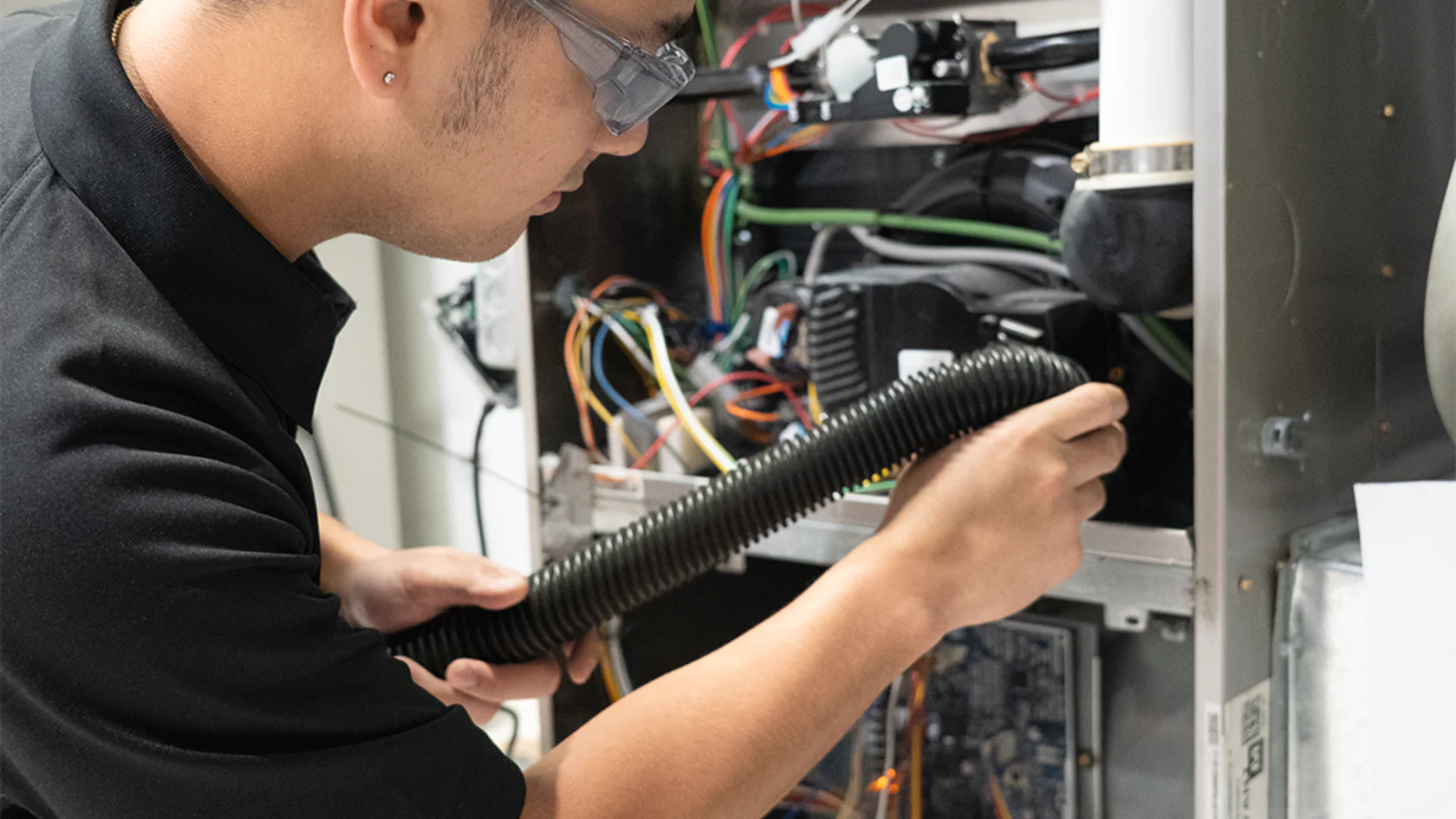
From a thermostat set to ON to a tripped safety switch, here are the six most common reasons a furnace blows cold air — and which fixes are safe to try.
Read More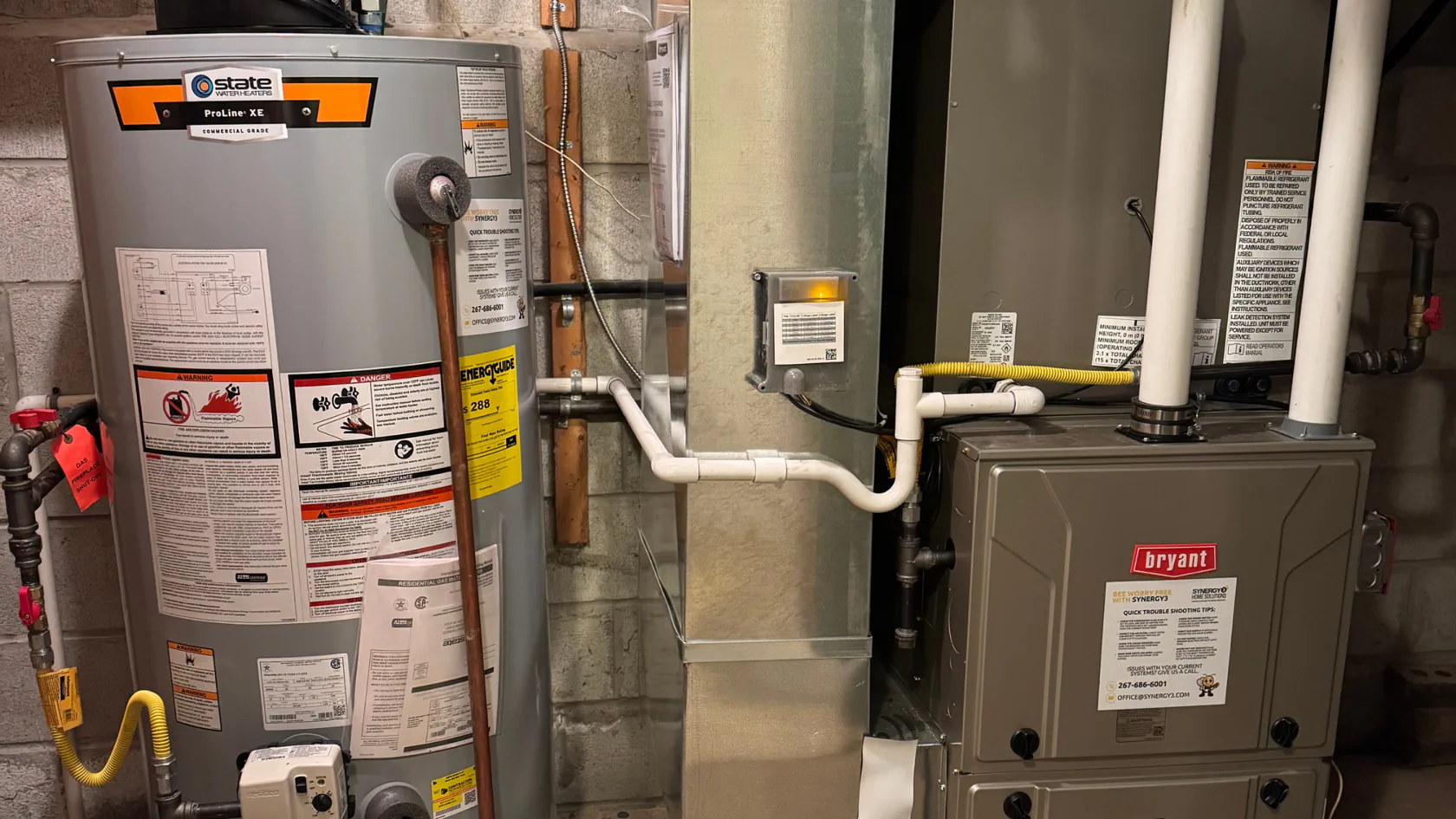
An annual flush clears out the sediment that shortens a water heater’s life. Here’s the full process, from shutting off power to refilling the tank.
Read More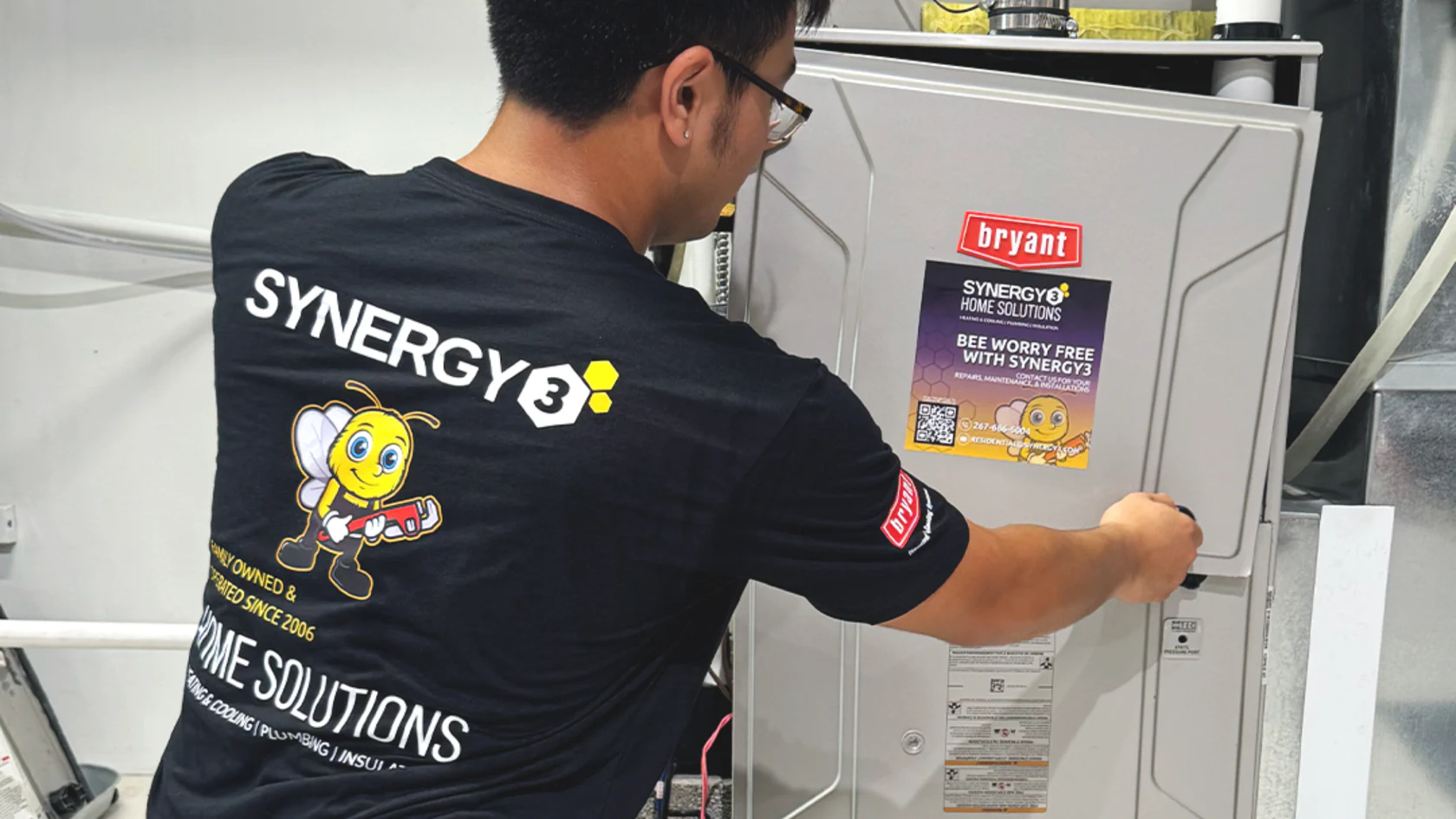
A room-by-room fall checklist that gets Philadelphia and South Jersey heating systems ready before the first cold night — most of it in one weekend.
Read More
That constant refill sound is water running onto your bill. Five quick checks inside the tank fix most running toilets — no special tools needed.
Read More
One burst pipe can flood a basement in minutes. Here’s how Delaware Valley homeowners can prevent freezes — and thaw a frozen line without making it worse.
Read More
If your home feels sticky at 72°F, your AC may be cooling without dehumidifying. Here’s what drives indoor humidity in our region and how to fix it.
Read More
A boiler rarely warns you before it fails for good. Here’s how to catch the signs early, what a new one costs, and what installation day looks like.
Read More
Moving into a new home in Princeton, West Windsor, or Plainsboro is exciting, but it also comes with a long list of systems to understand. One of the most important is your heating and cooling equipment.
Read More
Air conditioner running but not cooling? Check the filter, thermostat, breaker, outdoor unit and refrigerant signs - and know when to call a technician.
Read More
AC replacement cost explained: system size, SEER rating, ductwork and labor, plus what a rowhome retrofit adds. Rebates and financing options included.
Read More
What attic insulation costs by material and R-value in PA and NJ, what air sealing adds, and the utility rebates that can cover part of the job.
Read More
What furnace replacement costs in PA and NJ, what changes the price (size, efficiency, venting, ductwork), and which rebates and financing can offset it.
Read More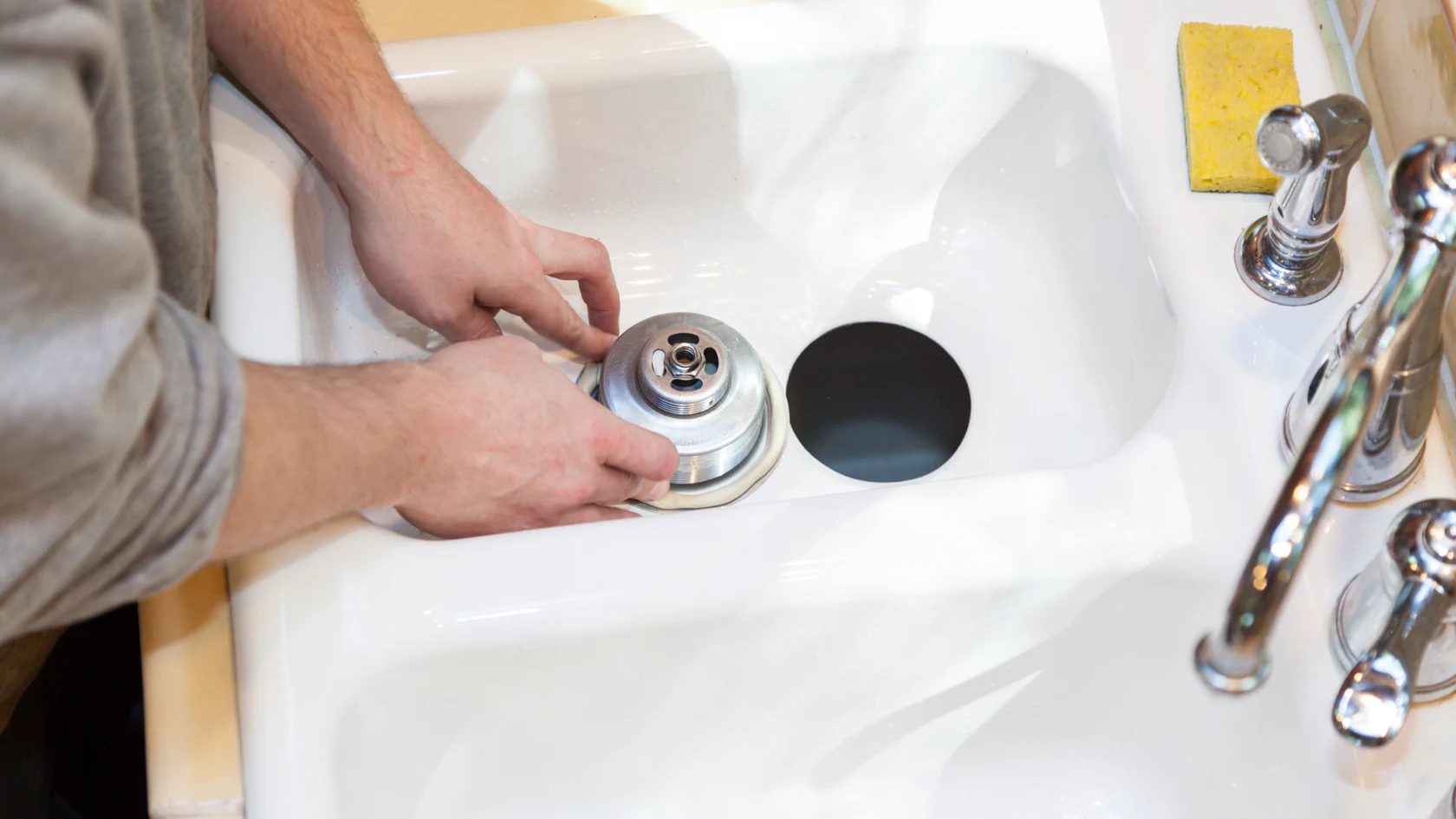
Humming, jammed or completely dead? Reset, unjam and troubleshoot a garbage disposal safely - and learn when replacement beats another repair.
Read More
What a heat pump costs to install in PA and NJ: price ranges by system type and size, what drives the quote, and the rebates and financing available.
Read More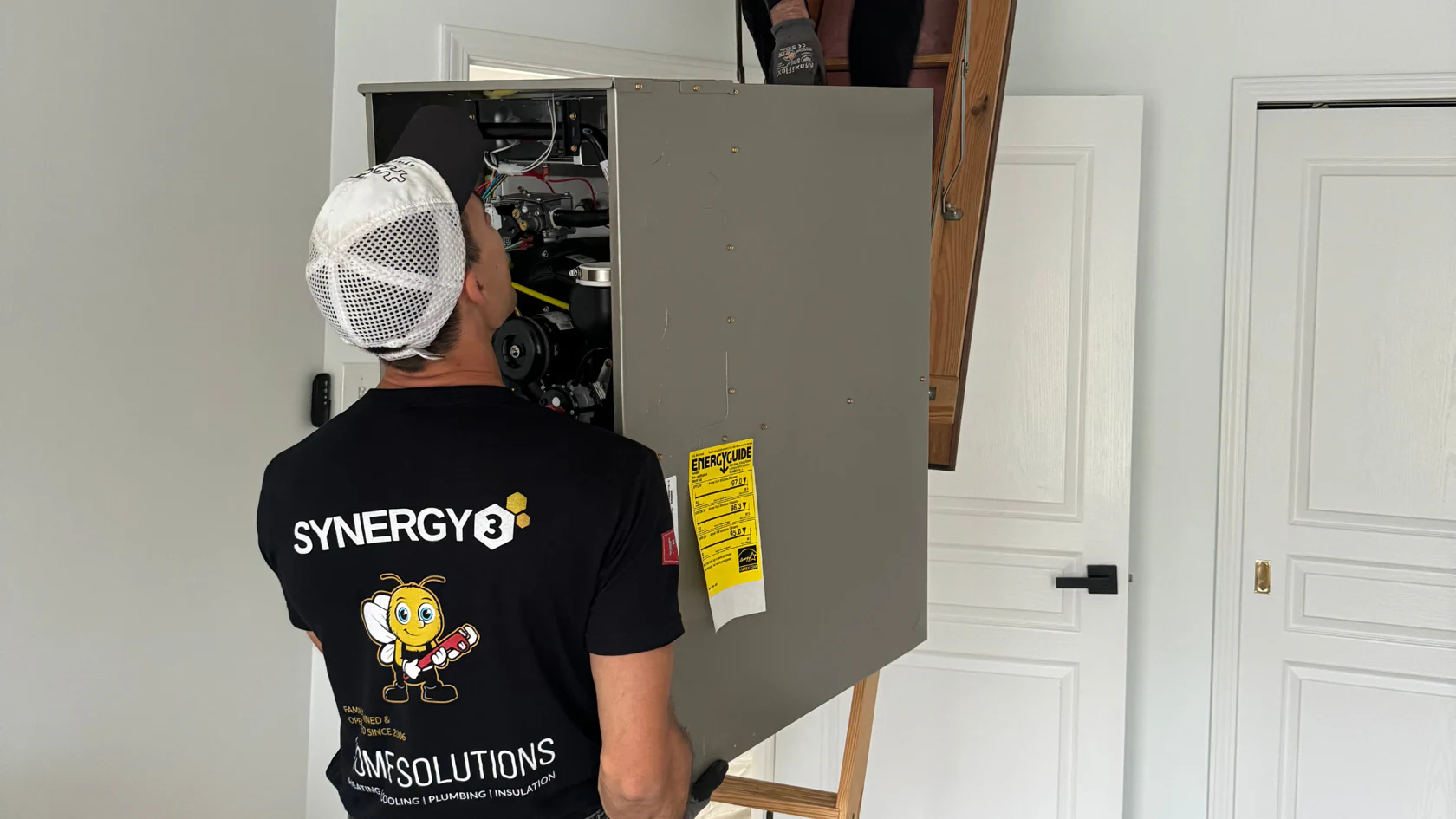
Compare heat pumps and gas furnaces on upfront cost, running cost, comfort and rebates for Philadelphia and New Jersey homes - with a clear verdict.
Read More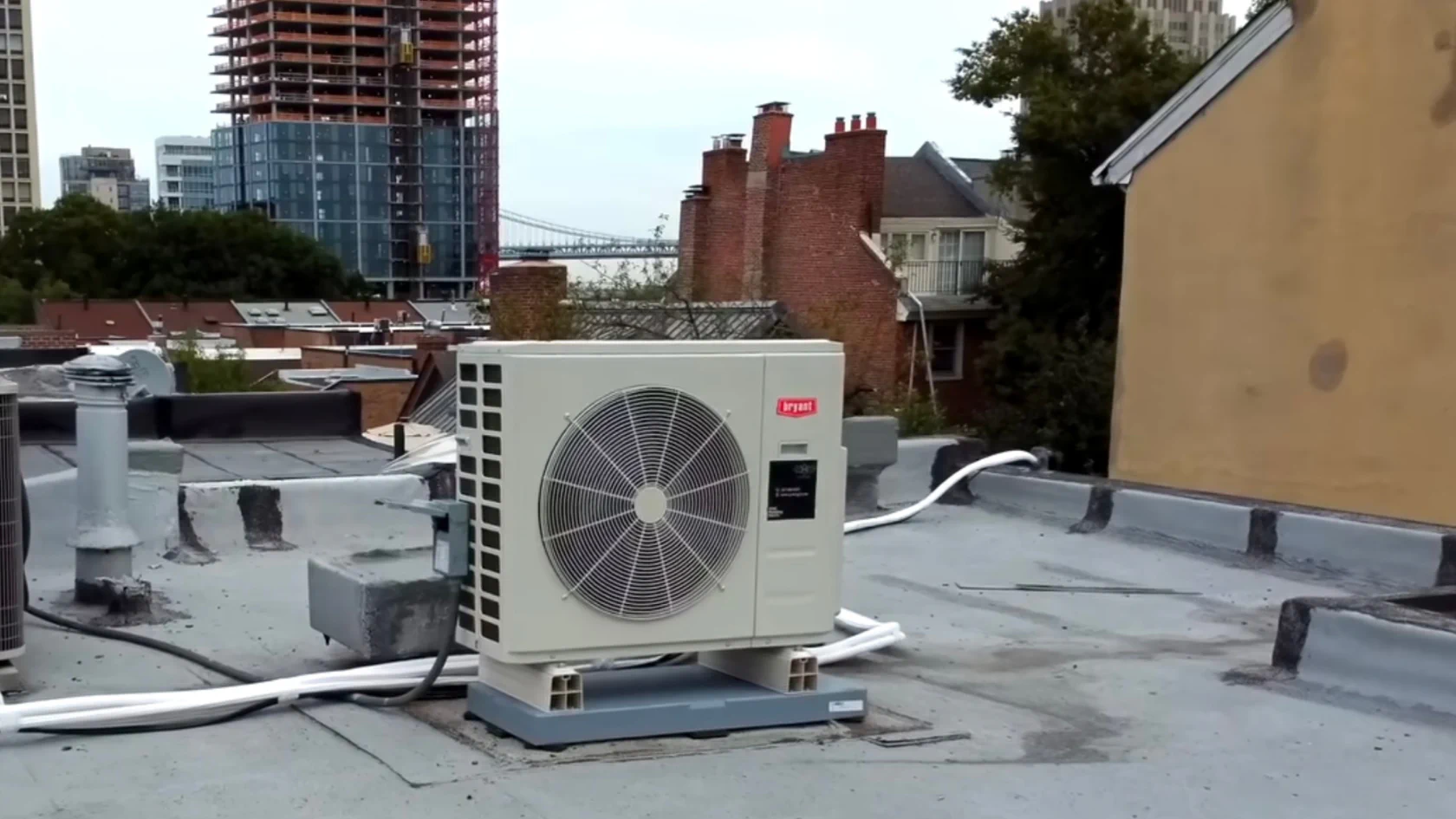
How a heat pump moves heat instead of making it, what changes in winter, and why cold-climate models keep working in Philadelphia and New Jersey.
Read More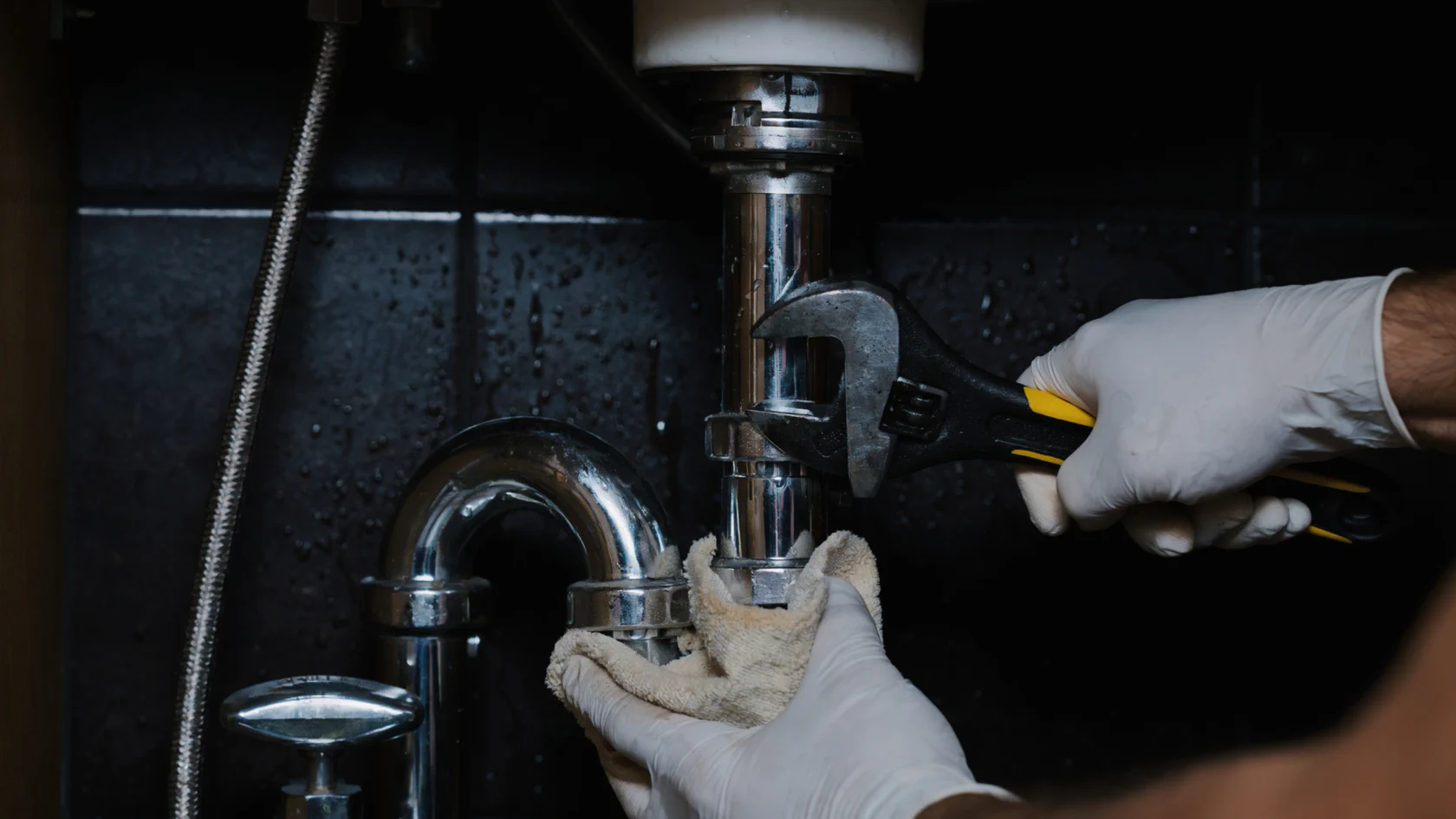
The safe way to clean and deodorize a garbage disposal, what never to put down it, and the habits that keep your kitchen drain from clogging.
Read More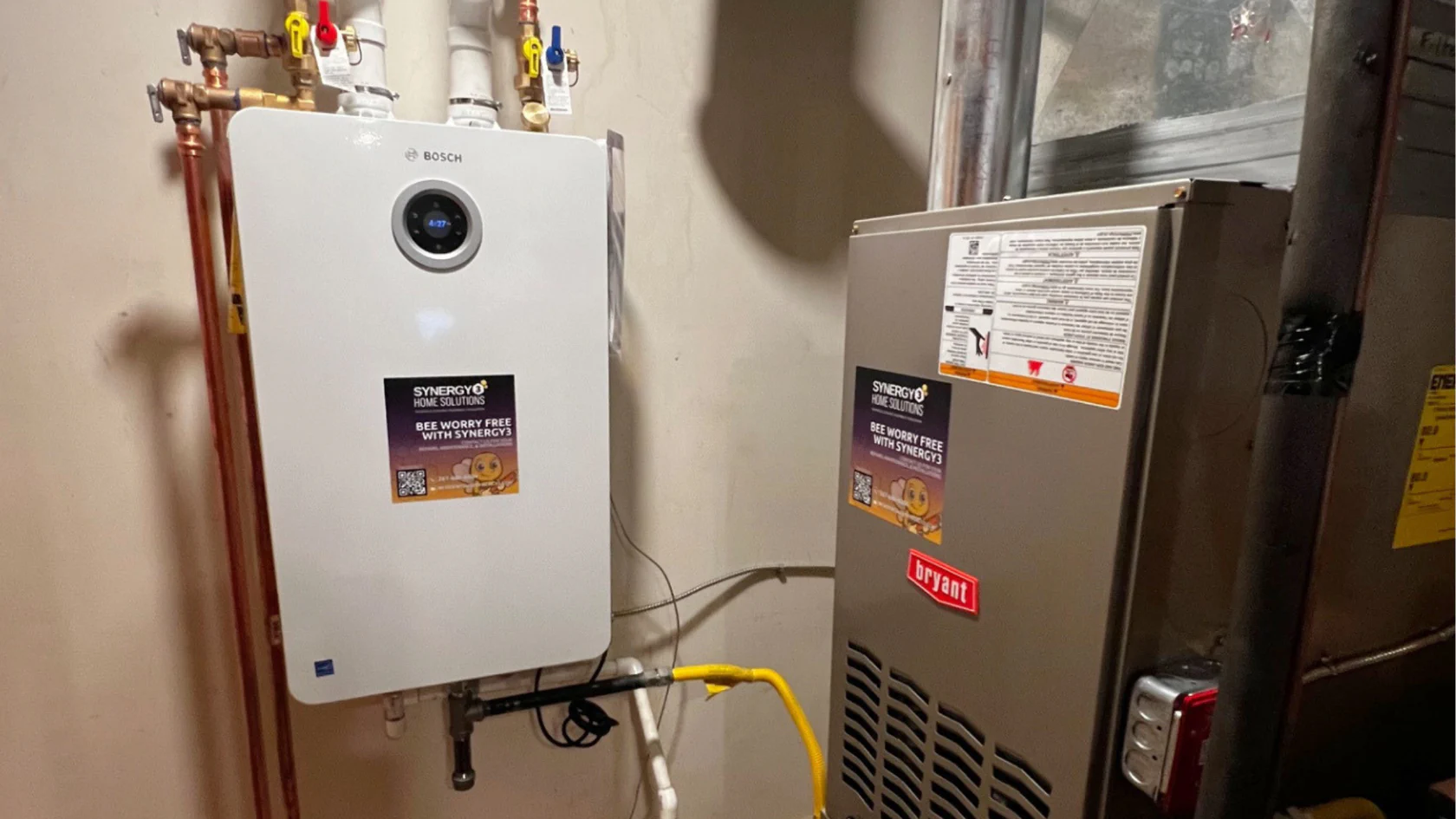
Tankless water heater costs in PA and NJ - unit, venting and gas line upgrades - plus the payback math versus a standard tank water heater.
Read More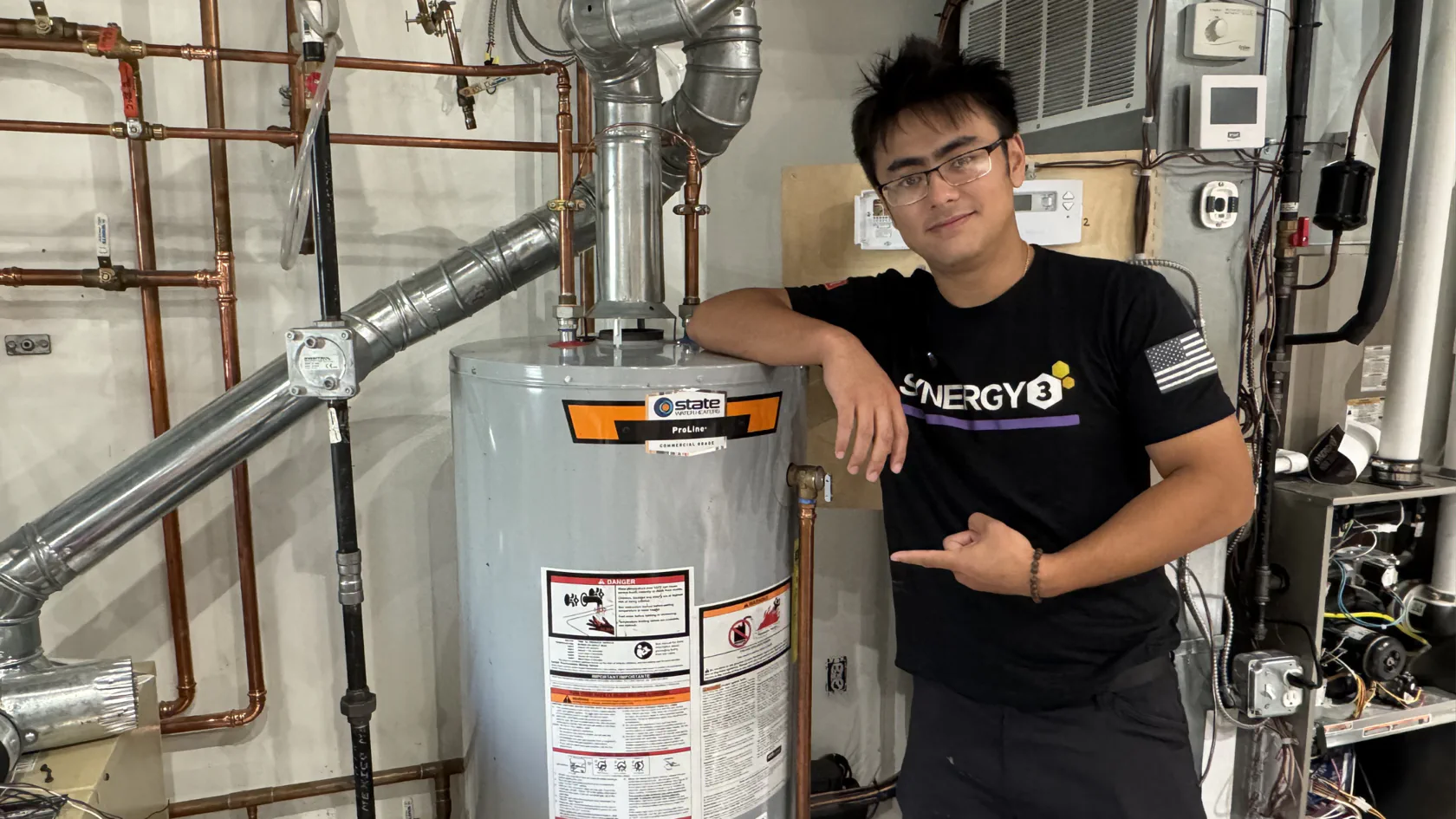
What a new water heater costs in PA and NJ: tank vs tankless, gas vs electric, permits and code upgrades, and how to keep the install price down.
Read More
A plain-English guide to heat pumps: how they heat and cool, what they cost to run, and whether one makes sense in the Philadelphia and NJ climate.
Read More